
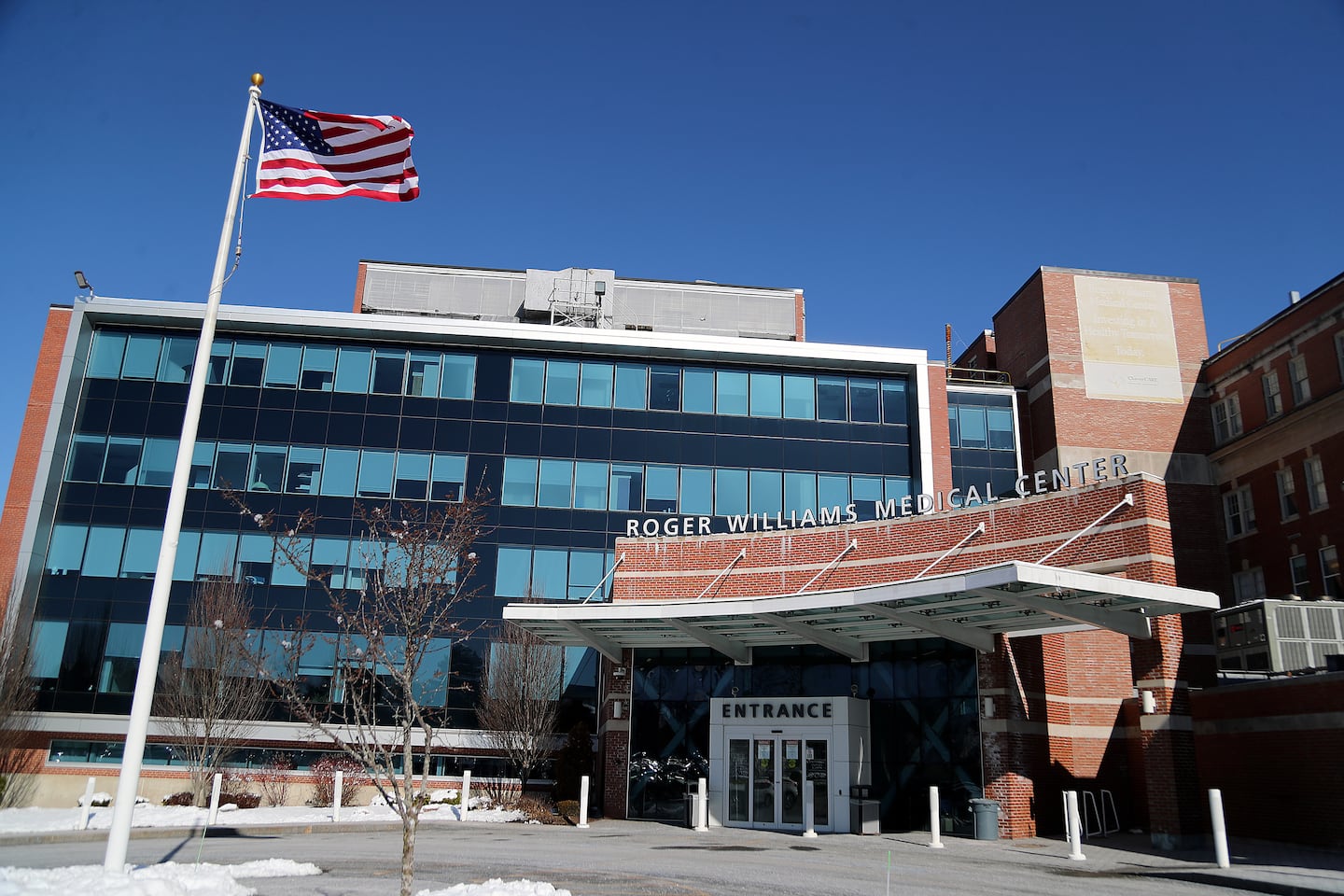
The hospitals could close as soon as Dec. 31, according to court filings. The fate of thousands of patients and nearly 3,000 employees in Rhode Island hang in the balance.
“Given the developments over the past few weeks, we are not surprised by this development and have been preparing for it,” said Rhode Island Attorney General Peter F. Neronha in a statement to the Globe on Friday. “We will oppose this motion in court in the coming days and will continue to do everything we can to keep these hospitals open and operating for the foreseeable future.”
Otis Brown, a spokesperson for both Fatima and Roger Williams hospitals, said in a statement that the filing has “no immediate impact” on the hospitals.
Centurion president Ben Mingle also did not respond to the Globe’s request for comment.
Prospect, which also owns three hospitals in Connecticut and others across the US, has struggled for years and owes rent payments to landlord Medical Properties Trust, which is a national publicly traded health care real estate investment trust. Regulators in several states, including in Rhode Island, have been putting pressure on the hospital owner for its troubled finances and deteriorating conditions at its facilities. The for-profit company, which was controlled by private equity firm Leonard Green & Partners until 2021, filed for Chapter 11 bankruptcy protection in January.
“Prospect’s former owner, private equity firm Leonard Green & Partners, is a uniquely bad actor that made millions off of these hospitals while undermining their financial stability,” said Congressman Seth Magaziner, who previously served as state treasurer. “Private equity ownership of hospitals deserves tough scrutiny in Congress.”
Prospect owes millions in back taxes to the state and municipalities and in unpaid bills to vendors, according to claims filed in court. Prospect’s liabilities have exceeded its assets by more than $2 billion as of 2023, which put operations at risk.
Prospect has owned Roger Williams Medical Center and Our Lady of Fatima for more than a decade. The two hospitals care for some of the state’s most vulnerable patients, including many covered by public insurance.
Investigators in 2024 found decaying conditions, such as bedbug infestations, cockroaches, mice, and other problems that put patients at “immediate” risk.
Both Roger Williams and Fatima operate at a significant loss each month. The six-month delay in closing the deal with Centurion has led to unanticipated losses of approximately $18.7 million, with an additional $6 million in losses expected by the end of November and exceed $5 million in December, according to court filings.
Prospect “cannot continue to operate the Rhode Island hospitals indefinitely,” Prospect’s attorneys wrote in court filings, saying the company is “left in an impossible position.”
Prospect also proposed that the hospitals could be transferred to the control of the state. Tim Rondeau, a spokesperson for Neronha, did not immediately respond to questions regarding such a transfer.
While Neronha has repeatedly said there was a chance Prospect could try to close these hospitals, as they have elsewhere in the US, other officials have long assumed a deal to sell them would come together in time.
In an interview earlier this week, Rhode Island Department of Health director Dr. Jerome Larkin said he always has concerns for any hospital, but had received “no indication from the management that they plan on shutting down or imminently at risk of shutting down the deal.”
On Friday, health department spokesman Joseph Wendelken told the Globe the agency is committed to ensuring the hospitals remain open and operational.
“This is critical for the patients in these hospitals’ communities, and for the stability of Rhode Island’s healthcare system overall,” said Wendelken. “This matter remains before the bankruptcy court. No decision has been made on this motion. In continuing to work with all parties involved, we will support filings in opposition.
Olivia DaRocha, a spokeswoman for Governor Dan McKee, called Fatima and Roger Williams “essential to their communities and to Rhode Island’s healthcare system as a whole.”
In early October, Neronha, who was once adamant about imposing strict conditions on the deal between Centurion and Prospect to protect the hospitals’ patients and workers as well as taxpayers, once again lowered the amount of cash reserves Centurion had to put up at the time of closing.
Many doctors, nurses, and local political leaders have backed Neronha’s flexibility, arguing that even a debt-heavy nonprofit owner would be preferable to Prospect.
“Prospect has played a dangerous cash flow game in Rhode Island,” wrote Dr. John Stoukides, who serves as the chief of the Division of Geriatrics and Palliative Medicine at Roger Williams Medical Center, in a letter submitted as part of Prospect’s bankruptcy filing. “As it teetered toward bankruptcy over the past years, it has regularly ‘shorted’ its Rhode Island hospitals by not returning 100 percent of revenues generated here to hospital operations.”
Centurion has been Prospect’s only viable buyer since Prospect first moved to sell the two Rhode Island hospitals in 2021. Other local hospital leaders, including the chief executive officers of Rhode Island’s two largest health care systems, have repeatedly told the Globe that they have no interest in acquiring Fatima or Roger Williams hospitals, but said the effects of them closing would be catastrophic.
“We don’t have the capacity to absorb or to acquire Roger Williams and Fatima because of their financial situation,” said Dr. Michael Wagner, the chief executive of Care New England, a system that owns Women & Infants, Kent, and Butler hospitals, in an interview earlier this month. “It would be devastating [for these hospitals to close]. So we’re like, ‘figure this out.’”
“They’re in bad financial shape,” John Fernandez, the chief executive of Brown University Health, formerly Lifespan Corp., which operates Rhode Island, Hasbro Children’s, The Miriam, Newport, and Bradley hospitals, told the Globe earlier this month.
Roger Williams Medical Center and Fatima Hospital have roughly 50,000 emergency room visits annually. If the hospitals were to close, Fernandez said, he expects many of Prospect’s patients to be sent to his facilities.
“We need them to stay open. That’s a tsunami of patients,” he said.
This article has been updated to include comments from the state health department and the governor’s office.
Alexa Gagosz can be reached at alexa.gagosz@globe.com. Follow her @alexagagosz and on Instagram @AlexaGagosz.