
Your support helps us to tell the story
From reproductive rights to climate change to Big Tech, The Independent is on the ground when the story is developing. Whether it’s investigating the financials of Elon Musk’s pro-Trump PAC or producing our latest documentary, ‘The A Word’, which shines a light on the American women fighting for reproductive rights, we know how important it is to parse out the facts from the messaging.
At such a critical moment in US history, we need reporters on the ground. Your donation allows us to keep sending journalists to speak to both sides of the story.
The Independent is trusted by Americans across the entire political spectrum. And unlike many other quality news outlets, we choose not to lock Americans out of our reporting and analysis with paywalls. We believe quality journalism should be available to everyone, paid for by those who can afford it.
Your support makes all the difference.Read more
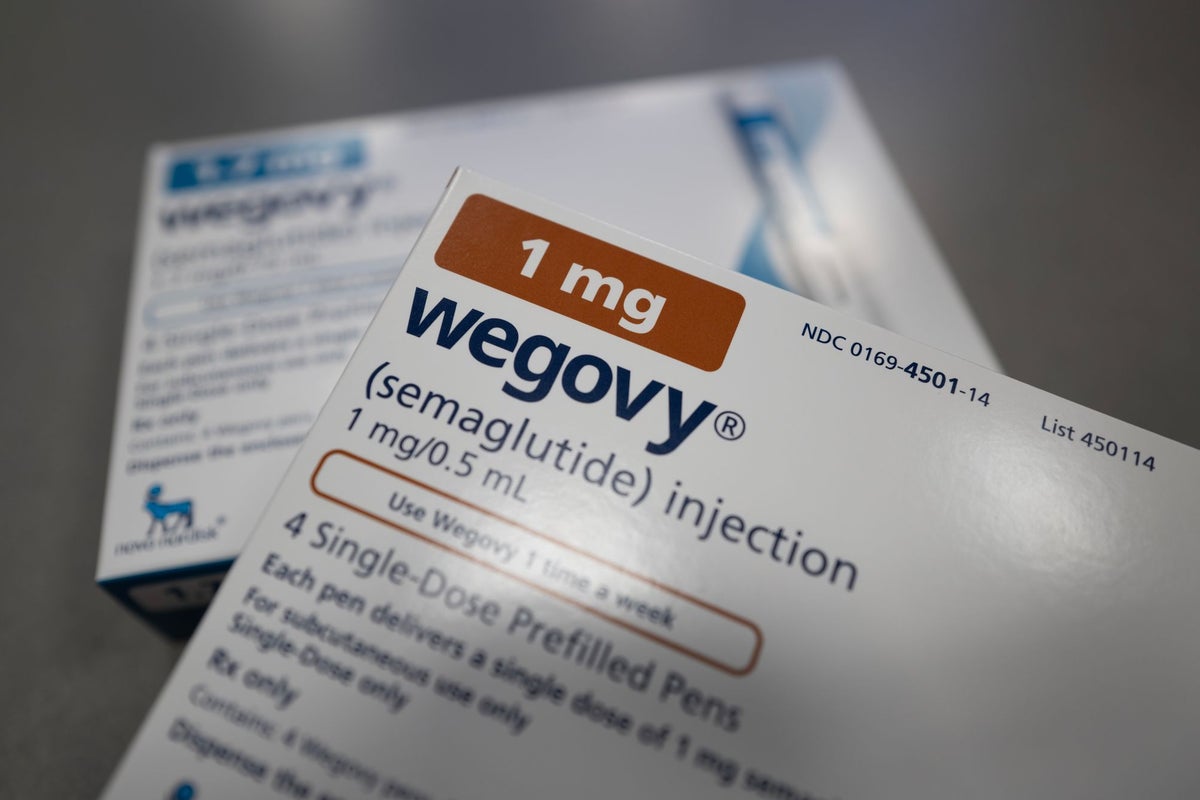
Novo Nordisk is slashing prices again for its popular obesity treatment Wegovy.
But doctors insist the expense is still a big challenge for patients without insurance.
The drugmaker said Monday that it has started selling higher doses of the injectable treatment for $349 a month to patients paying the full bill. That’s down from $499 and in line with terms of a drug pricing agreement outlined earlier this month by President Donald Trump’s administration.
Novo also has started a temporary offer of $199 a month for the first two months of low doses of Wegovy and the drug’s counterpart for diabetes, Ozempic. The new pricing will be available at pharmacies nationwide through home delivery and from some telemedicine providers.
Rival Eli Lilly also plans price breaks for its weight-loss drug Zepbound once it gets a new, multi-dose pen on the market.
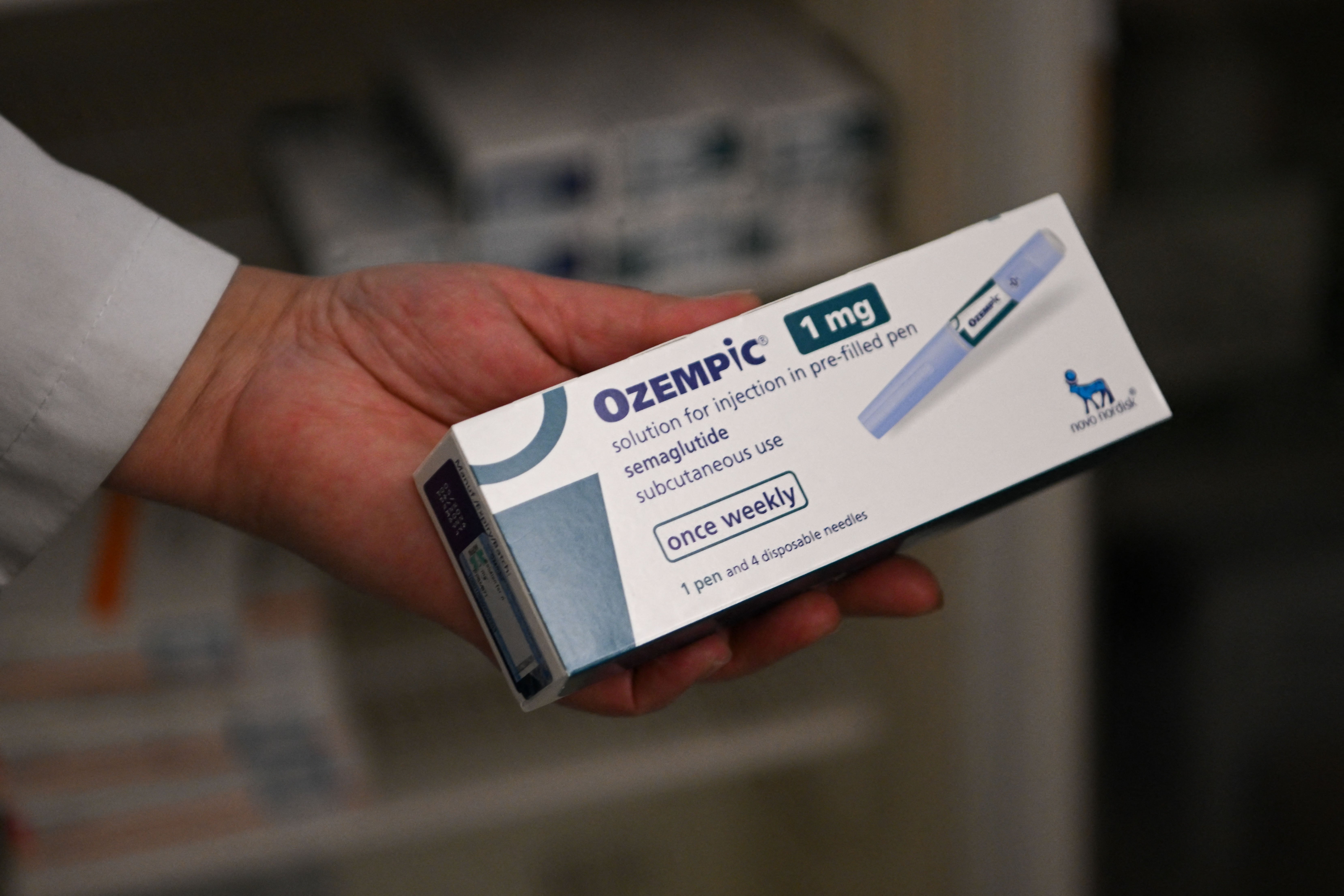 A pharmacy owner shows an Ozempic antidiabetic medicine at a pharmacy in Pristina on March 27, 2025 (AFP/Getty)
Obesity treatments like Zepbound and Wegovy have soared in popularity in recent years. Known as GLP-1 receptor agonists, the drugs work by targeting hormones in the gut and brain that affect appetite and feelings of fullness.
In clinical trials, they helped people shed 15% to 22% of their body weight — up to 50 pounds or more in many cases. But affordability has been a persistent challenge for patients.
A recent poll by the nonprofit KFF found that about half of the people who take the treatments say it was hard to afford them.
Previous research has shown that people have difficulty paying for a medication when the cost rises above $100 per month for a prescription or refill, said Stacie Dusetzina, a Vanderbilt University Medical Center professor and prescription drug pricing expert.
She said new prices like those outlined by Novo are “not going to really move the needle for a person who doesn’t have a pretty reasonable amount of disposable income.”