
Nov. 17, 2025
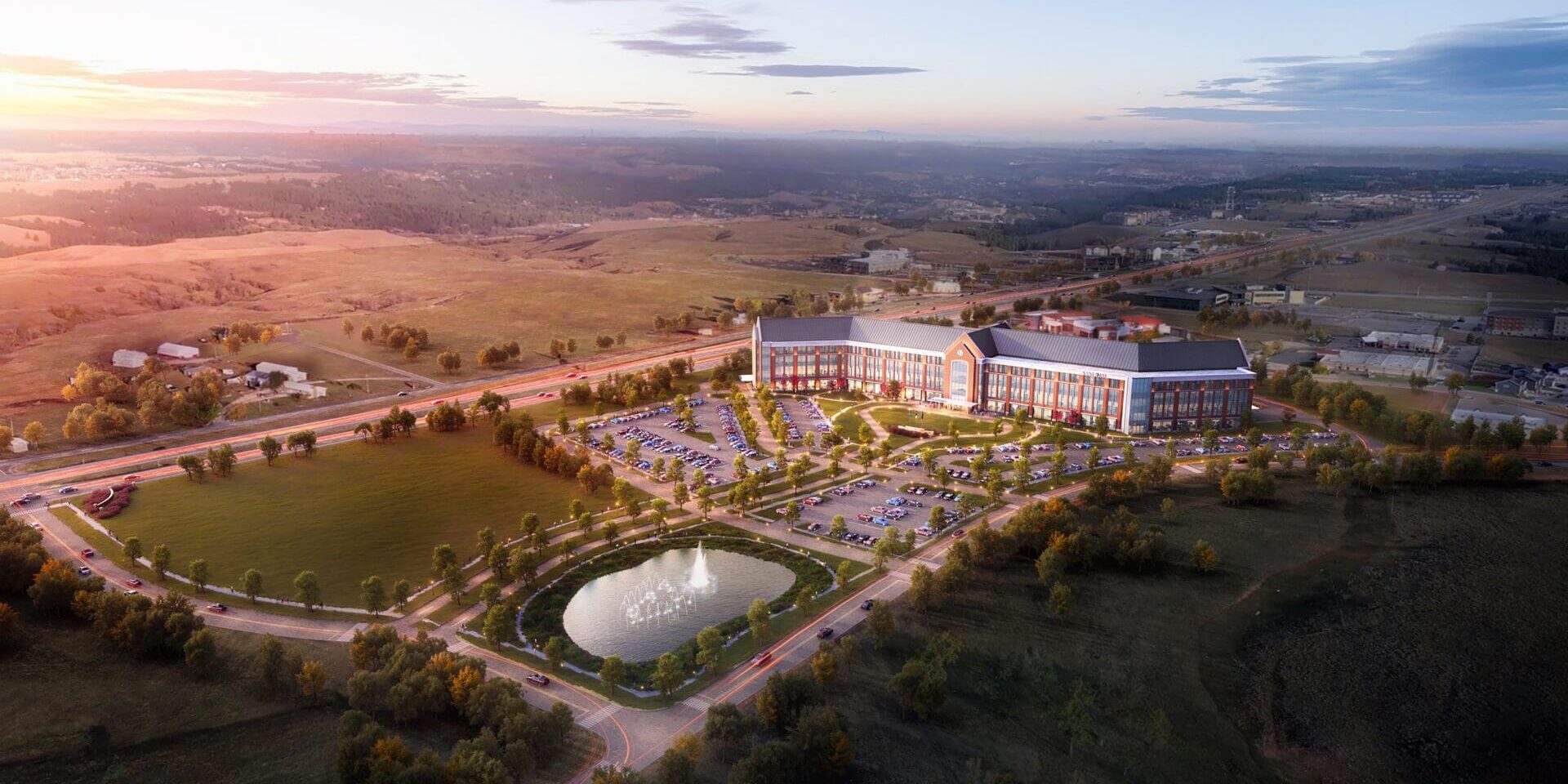
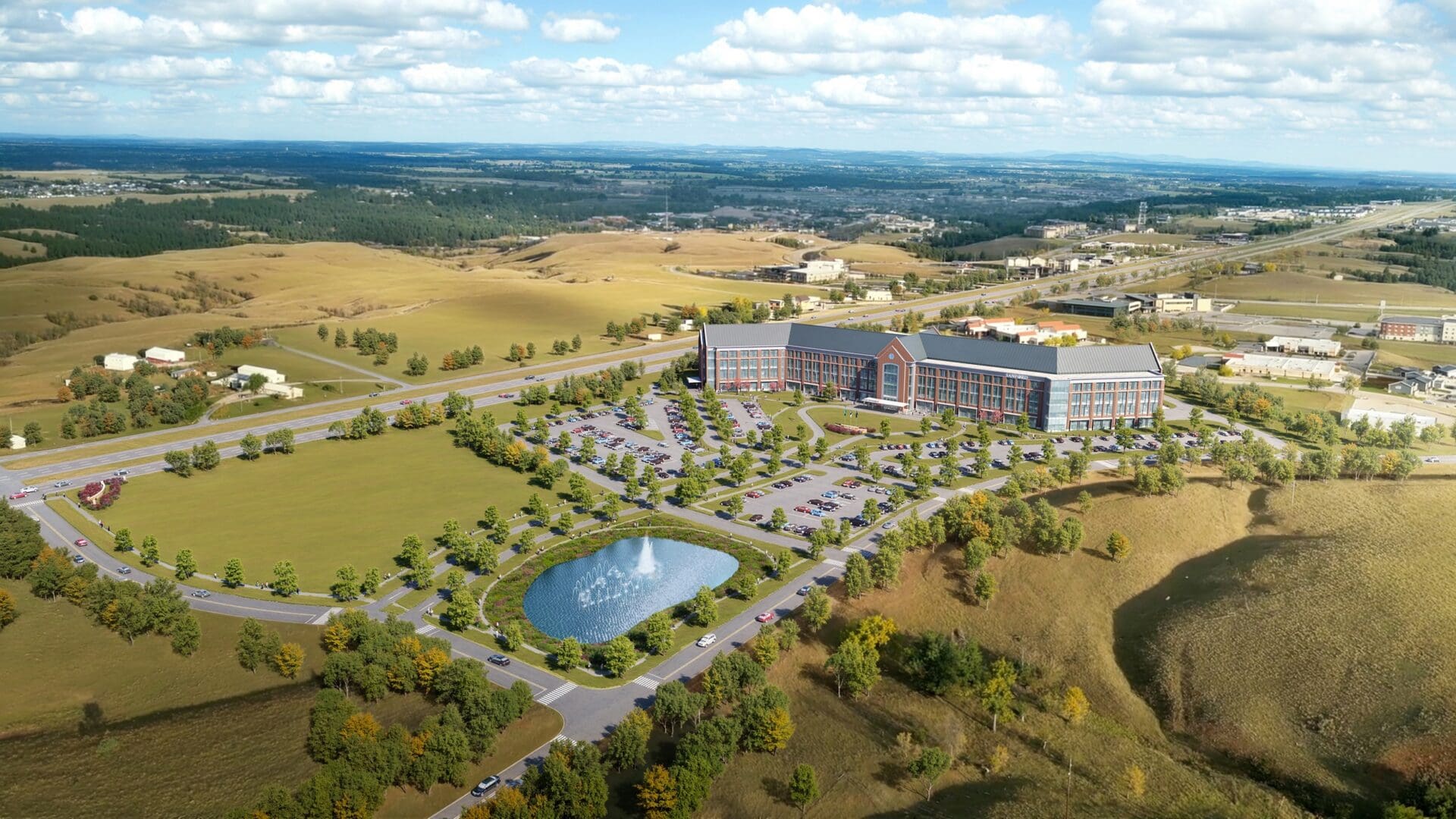
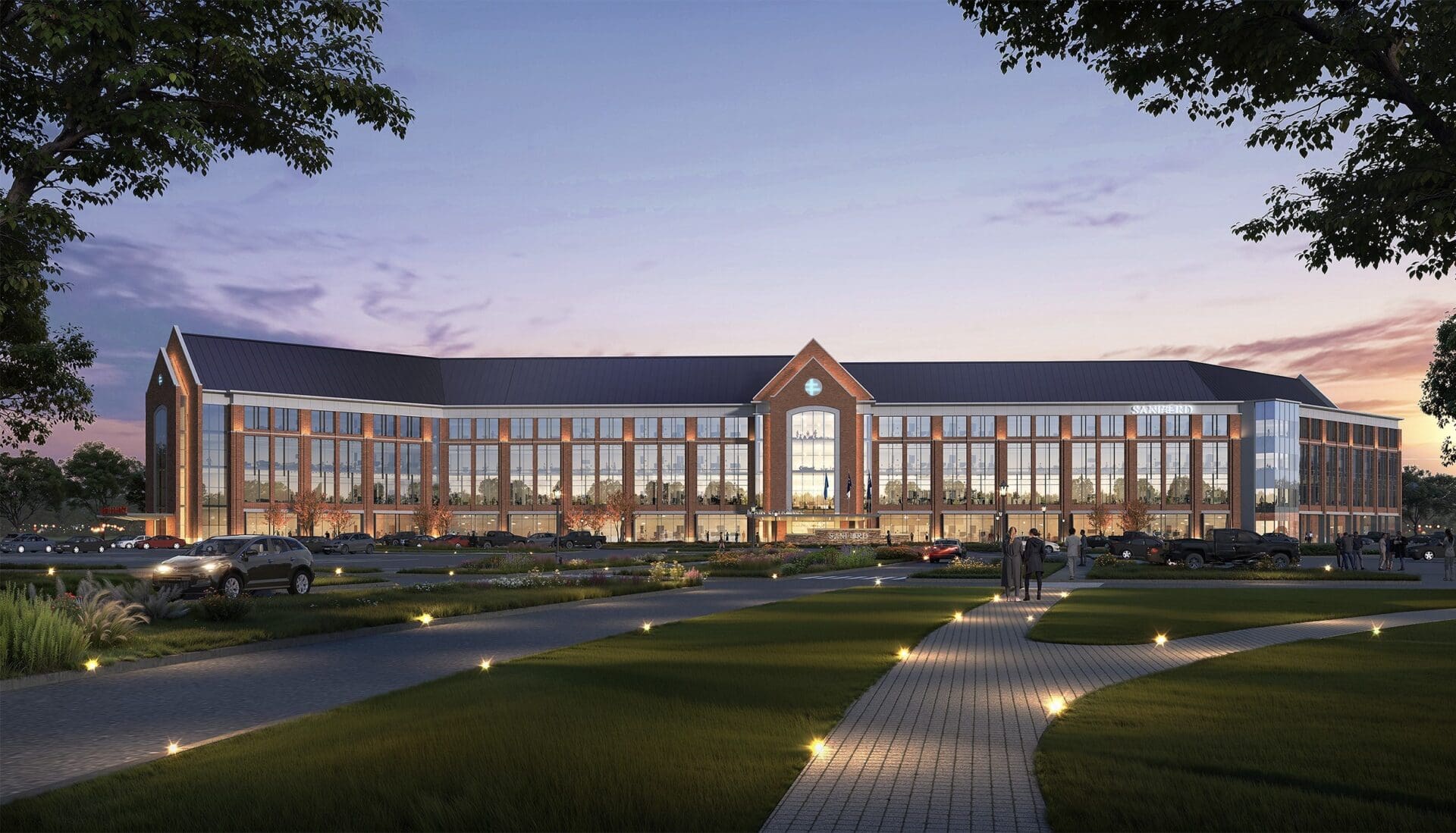
Led by a $300 million donation from philanthropist Denny Sanford, Sanford Health will build a hospital in Rapid City as part of its growing presence in the Black Hills.
Initially, the proposed 480,000-square-foot Sanford Black Hills Medical Center campus will include:
• 168 inpatient beds.
• Future campus expansion for another 168 beds.
• Full inpatient and outpatient imaging suites.
• Dialysis center.
• Oncology infusion center.
• Children’s outpatient and inpatient services.
It will be located on 110 acres in southwest Rapid City, adjacent to the Black Hills Orthopedic & Spine Clinic, which became part of Sanford Health late last year.
Construction is scheduled to begin in 2027 with completion expected in 2030.
“We know that there’s opportunity,” Sanford Health CEO Bill Gassen said. “When you think about Ellsworth, Box Elder and Rapid City, those are some of the fastest-growing communities in the state of South Dakota, and for us to continue to meet the needs of a growing community, health care has to keep pace and hopefully get ahead of it.”
The vision for the medical center is comprehensive, he added.
“It’s inclusive of the adjacent clinics as well as medical office space and all the inpatient services,” he said. “As we continue to build and stage this out, it’s building out a full-scale medical campus to meet the growing needs of the community.”
At full build-out, the campus would have 336 inpatient beds. Monument Health, which serves the region, has just over 400 beds at its Monument Health Rapid City Hospital.
“We want to be really smart about how we scale that out, making sure we’re not only meeting and keeping up with and ahead of demand from a patient perspective, but making sure from a workforce perspective we’re allowing our programs … to help keep pace with that as well,” Gassen said. “As we recruit new members in to join the team, the Black Hills is an incredible place to recruit top talent to.”
Starting in 2026, Sanford Health intends to invest $10 million over the next decade to partner with K–12 schools, technical colleges and universities across the Black Hills, including:
$2.5 million: Expand the Aspire program to foster students’ interest in health care and provide hands-on learning opportunities for more than 13,000 K-12 students.
$3 million: Invest in Build Dakota to support in-demand technical education.
$4.5 million: Expand sponsorships at regional post-secondary educational institutions.
Since 2004, Denny Sanford has given more than $1.5 billion to Sanford Health, beginning with a 2004 gift to establish Sanford Children’s Hospital in Sioux Falls, followed by a $400 million gift in 2007 that renamed Sioux Valley Hospitals & Health System in his honor. Sanford is the founder of First Premier Bank and Premier Bankcard and the chairman of its holding company, United National Corp.
In 2021, he made a historic $650 million investment, launching a virtual care initiative and expanding graduate medical education programs to strengthen the rural physician pipeline.
With the latest gift to support the Black Hills expansion, Sanford is approaching $2 billion in total giving.
“That’s a remarkable investment that he’s made in Sanford Health, but Denny’s giving in the state of South Dakota inclusive of but beyond Sanford Health is nearly $3 billion, and I think it’s important people step back and realize how fortunate we are,” Gassen said. “We have health care’s greatest philanthropist who has invested $3 billion in the state while he’s alive. That would be remarkable no matter what size community you were living in, but to be able to steward those dollars in the state of South Dakota is nothing short of historic.”
The $300 million donation will substantially cover the cost of construction, Gassen said.
“If Mr. Sanford wasn’t inclined to make this gift, are we still committed to growing health care in Rapid City? Absolutely. Without his gift, could we do it at this pace and scale and level of impact? No way,” Gassen said.
The hope is that the philanthropist’s giving “inspires others to do just the same,” Gassen said. “That those in the communities of Rapid City and beyond who have been part of the rich history of philanthropy will step forward and do that … and say, ‘I want to be part of transforming this community for the good.’”
Since late 2024, Sanford Health has acquired a number of entities in the region, including Black Hills Surgical Hospital and Black Hills Orthopedic & Spine Center; Black Hills Surgery Center in Gillette, Wyoming, including urgent care locations, clinics and an ambulatory surgery center; independent physician-owned Creekside Medical Clinic; and Black Hills Plastic Surgery.
For Gassen, the expansion west has meant a return to his roots. His parents are from South Dakota, and while the family moved with his father’s military career, they returned to be based at Ellsworth Air Force Base.
“I grew up in Rapid City, went to high school out there and from there went to Sioux Falls,” he said. “My mother actually worked at the Black Hills Surgical Hospital before my folks moved to this side of the state.”
The statewide perspective is more than personal, though. It’s a key part of Sanford Health’s growth strategy and its move into the Black Hills region, he said.
“It really started with looking at the state as a whole and determining how can we do the best for the state of South Dakota,” Gassen said.
“We know we’re able to do that when we have the full collection of our capabilities and our resources not just within a particular community but really across the state. That allows us to better optimize the clinical resources we have, the opportunities we have within our health plans and our research capability to add to that full continuum across the state.”
While construction is still more than a year away, a ceremonial groundbreaking will be held today.
“Getting the positive news out in the community, we thought was really important from a workforce perspective, but we also thought it was really important for patients in the community to know the promises we made almost a year ago to the day about what we were going to accomplish together … really meant what we said we were going to do, “Gassen said. “We’re committed to growing comprehensive medical care in the community. We want to be part of improving access, improving quality and doing it in a way that’s financially sustainable.”