
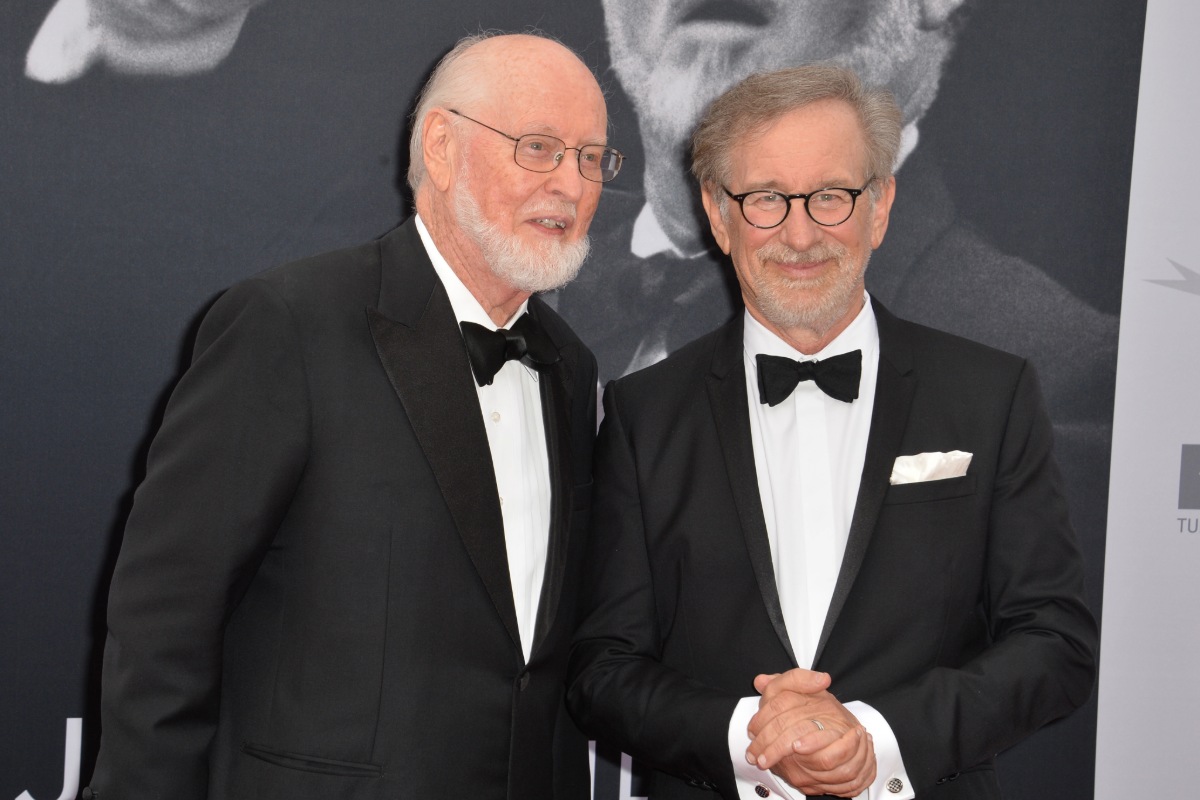
Forty-three years ago, Steven Spielberg looked at a soon-to-be legend and wondered if audiences would love it or laugh it off. How did the filmmaker behind Jaws and Close Encounters end up doubting the character that would define him?
Before it became synonymous with childhood wonder, a wide-eyed visitor nearly spooked its own creator. In December 1982, Steven Spielberg feared audiences might recoil from E.T., a design that felt risky even to him, as composer John Williams has recalled. What followed blindsided the industry and outstripped the bar set by Jaws and Close Encounters, transforming a small, tender story into a global classic and a lasting emotional touchstone.
On December 1, 1982, audiences encountered a character that would reshape cinematic history. E.T. the Extra-Terrestrial arrived on screens, carrying Steven Spielberg‘s vision of warmth, childhood wonder, and intergalactic friendship. Yet what now feels like a classic nearly faltered before liftoff, as Spielberg himself questioned whether E.T. would capture hearts or simply confuse viewers.
Apprehensions of Steven Spielberg
Creating a lovable alien is no small challenge. Spielberg worried that the peculiar design of E.T., with its elongated neck, wrinkled skin, and wide-set eyes, might alienate rather than enchant viewers. Would children embrace this strange being, or find it unsettling? As the release approached, even the director known for instinctive storytelling paused, unsure that audiences would connect with his extraterrestrial star.
This apprehension had context. Before release, industry insiders voiced skepticism that such an unconventional figure could anchor an emotional, family-driven film. Spielberg stood at a crossroads, nervous yet hopeful. Could the story’s emotional depth outweigh doubts about the central character’s design?
Contributions from John Williams
Renowned for his collaborations with Spielberg, composer John Williams proved pivotal in shaping E.T. into a triumph. Sensing the director’s unease during early edits, Williams recognized the film’s potential if paired with the right musical language. His iconic score became E.T.’s heartbeat, guiding the film’s rises and falls and softening skepticism about the character’s appearance.
The soaring notes during the bike-flying scene and the tender melodies underscoring E.T.’s bond with Elliott transformed a visual oddity into a vessel for universal feeling. Williams’ music supplied a human dimension that helped cement E.T. in the hearts of viewers, a synergy Spielberg could not fully anticipate during those anxious pre-release days.
Reception and legacy
What followed was extraordinary. E.T. defied concerns and exceeded expectations. Audiences embraced the film’s gentle humor, its heartrending farewell, and above all the alien himself. By the end of its theatrical run, it had become the highest-grossing movie of its time, surpassing Spielberg’s own Jaws and Close Encounters of the Third Kind.
E.T. resonated across generations. Children saw a friend; adults rediscovered the wonder of youth. More than four decades later, the legacy endures through cultural references, parodies, and a touching 2019 commercial reunion that rekindled the magic. What once seemed a risky bet became one of cinema’s most cherished stories.
Cultural significance
Spielberg’s doubts highlight that even great storytellers face uncertainty. Within E.T., the core themes of love and belonging proved universal, transcending early critiques that had caused concern. The little alien with the glowing heart connected more than with Elliott in the film; he encouraged audiences to approach the unknown with compassion.
Forty-three years ago, E.T. seemed like an uncertain star. Today, he remains immortal, a reminder that bold creative risks can yield cinema’s most unforgettable friendships.