
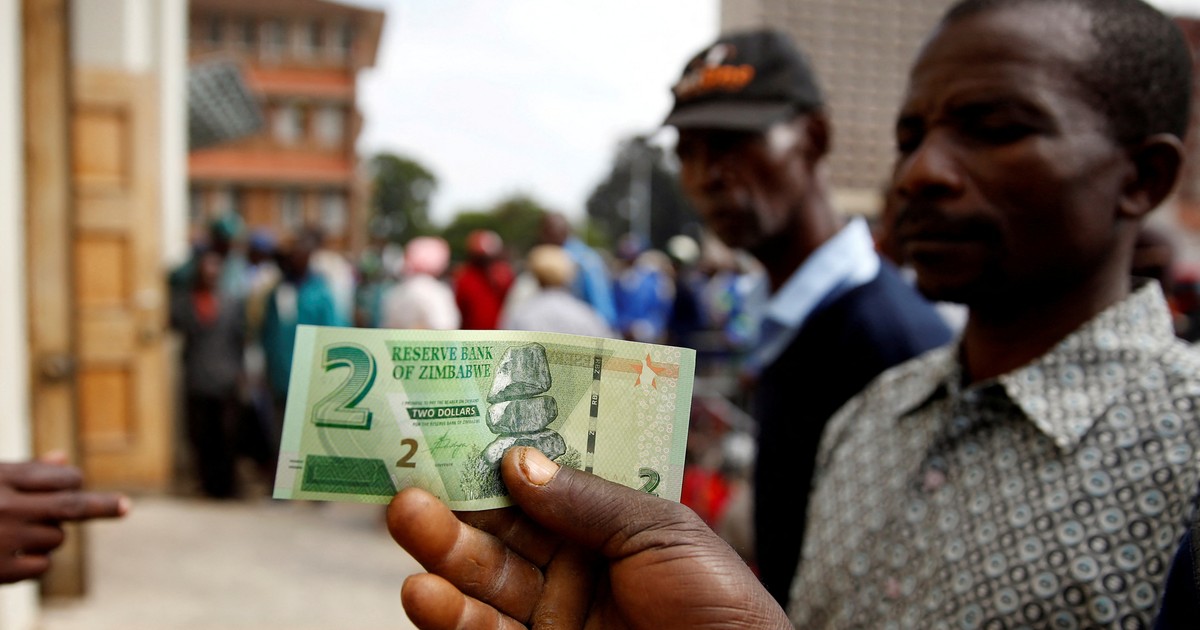
Zimbabwe aims to establish a robust foreign-exchange buffer, enabling the transition to a single national currency and the eventual phase-out of the widespread use of US dollars, within the next three years, according to the deputy central bank governor.
“We have enough foreign currency reserves that will be able to cover the next three to six months,” Innocent Matshe, told mining executives in the capital, Harare. “By 2030, all things being equal, we will have enough foreign currency reserves to transition to mono-currency.”
The country has spent more than a decade attempting to restore a functional national currency after repeated failures triggered hyperinflation, erasing savings and forcing Zimbabwe to adopt the US dollar in 2009.
Its most recent effort, the ZiG, short for Zimbabwe Gold, was introduced in April 2024 and now accounts for roughly 40% of daily transactions, according to Bloomberg.
The currency has benefited from a surge in gold prices this year, with miners capitalising on gold’s 48% rally.
Gold boom boosts confidence in local markets
That boom has also helped lift activity on the dollar-denominated Victoria Falls Stock Exchange, where several gold-linked stocks have performed strongly.
Business Insider Africa previously reported that Zimbabwe’s annual inflation rate could drop by half by the end of 2025, supported by a more stable local currency and sustained strength in global gold prices.
Matshe said the country’s foreign-exchange reserves currently stand at about $1 billion. Over the next three years, he added, Zimbabwe expects to accumulate enough reserves to meet the minimum import-cover threshold needed to anchor a full transition to a single national currency.