
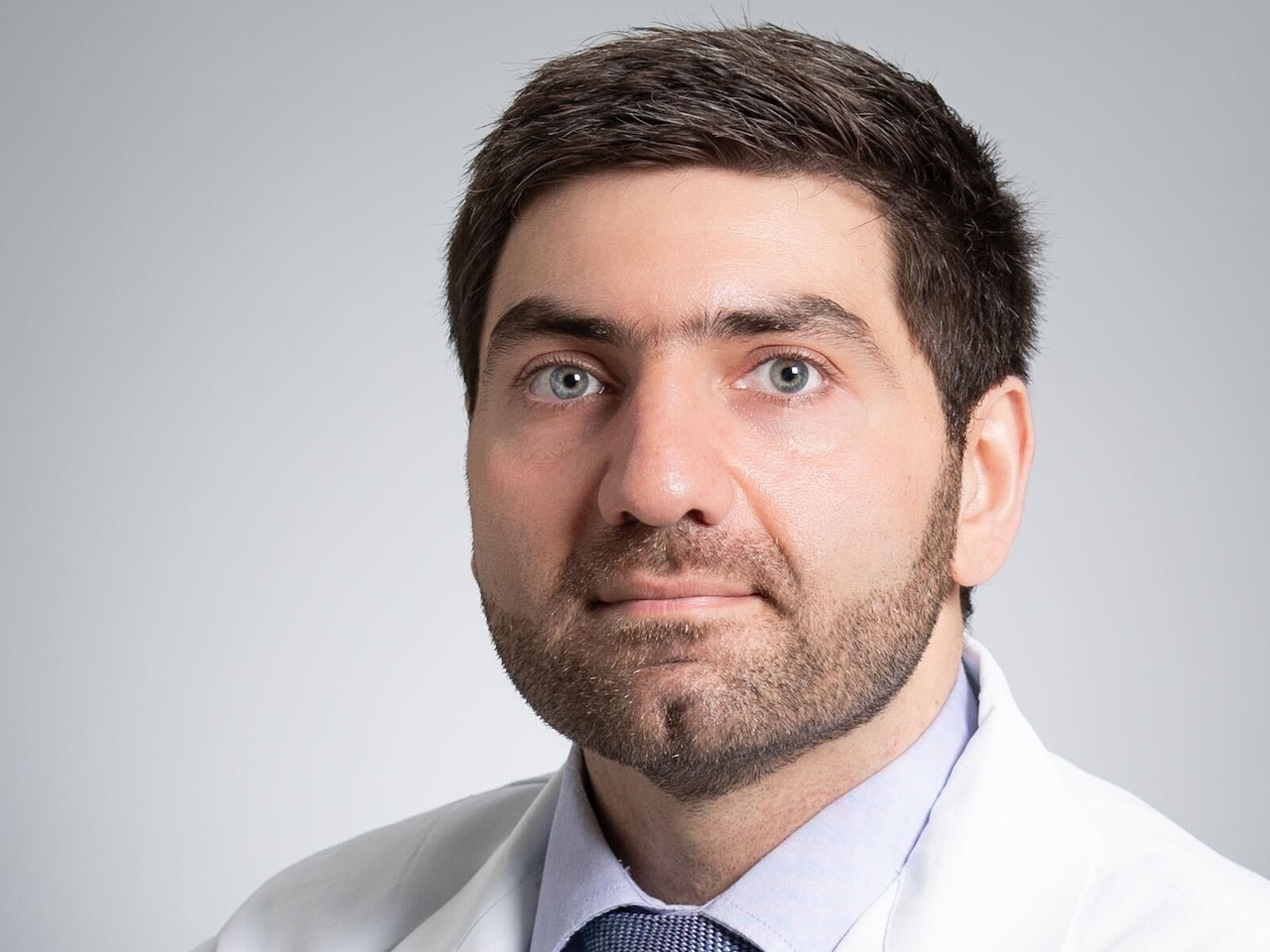
A UAB physician who used AI to make hospital respirators safer may move abroad because of his parents’ problems with the U.S. immigration system.
“We’re kind of like passively sitting in this limbo state where they can’t refuse us, because if they refuse, I can apply again. But also they’re not accepting us,” said Dr. Abdulhakim Tlimat.
Tlimat is a critical care physician at UAB with a background in software engineering. Following the COVID-19 pandemic he invented an AI system for hospitals to remotely monitor patients on respirators. Hospitals in other states are interested in using the device, according to Dr. Tlimat.
He came to the country as a Syrian refugee, with his sister in 2013. In 2019 he became a naturalized citizen. In 2020, he applied to bring his parents to the U.S. through a visa program.
Yet Tlimat’s parents have been in administrative limbo for years. He is considering moving to Abu Dhabi, where he helped his parents relocate, due to the dangers of staying in Syria, unless he can sort out his parents’ U.S. visas.
“If we were to lose him, this would not only stagnate our current project, but it would drastically impact UAB‘s ability to remain at the cutting edge of AI integration into healthcare systems,” said Raymond Wade, a professor of medicine at UAB. He said Tlimat is one of a handful of practicing physicians in the United States who are also experts in artificial intelligence.
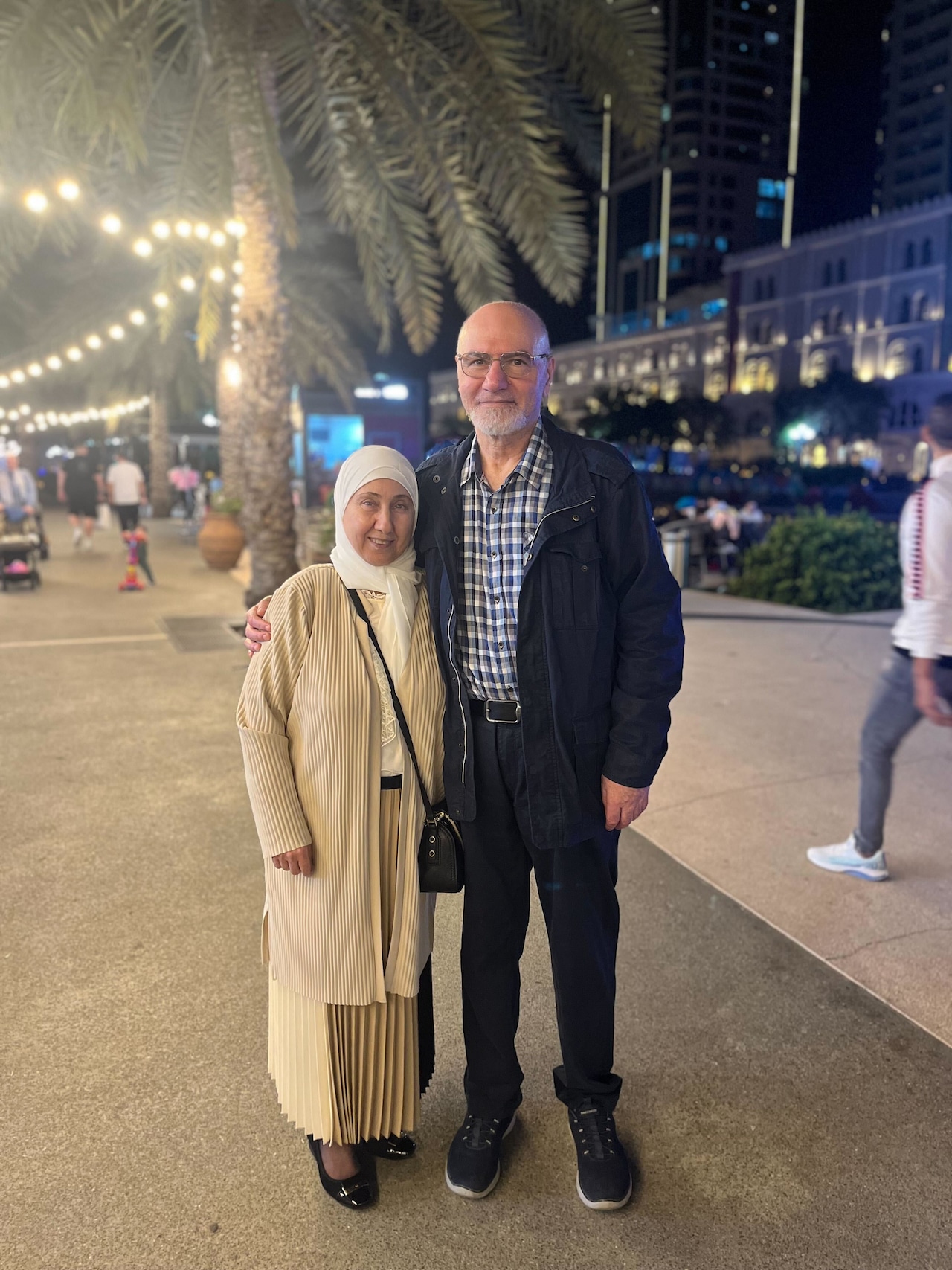 Dr. Tlimat’s parents have been waiting since 2020 for U.S. visasDr. Abdulhakim Tlimat
Mechanical ventilators, like the ones used for people with severe COVID-19, can cause harm to patients, especially if the ventilator settings are not right, said Tlimat. His AI system tracks ventilators for patients to make sure the machines stay within safe parameters for patients’ diaphragm and lung ventilation.
Tlimat said his life feels like a roller coaster due to his parents’ situation.
In 2022, Tlimat’s mother had an interview for her visa. Afterwards, he said he could not get an update on her application. The typical wait time for a parent visa for a citizen is 17 months, according to the U.S. Citizenship and Immigration Services.
This September, five years after applying, his father, also a physician, had an interview for his visa. At his father’s interview, Tlimat asked about his mother’s application. An agent told him his mother’s case was “held up in Washington.” Tlimat contacted his representatives in Congress for help, he said, but nothing happened.
Tlimat’s father had COVID-19 about 6 months ago, and his lungs are not healing normally.
“I’m gonna just leave everything behind,” said Tlimat, about his work helping patients in the U.S. “When my dad has something wrong with him, I can’t even help him.”