
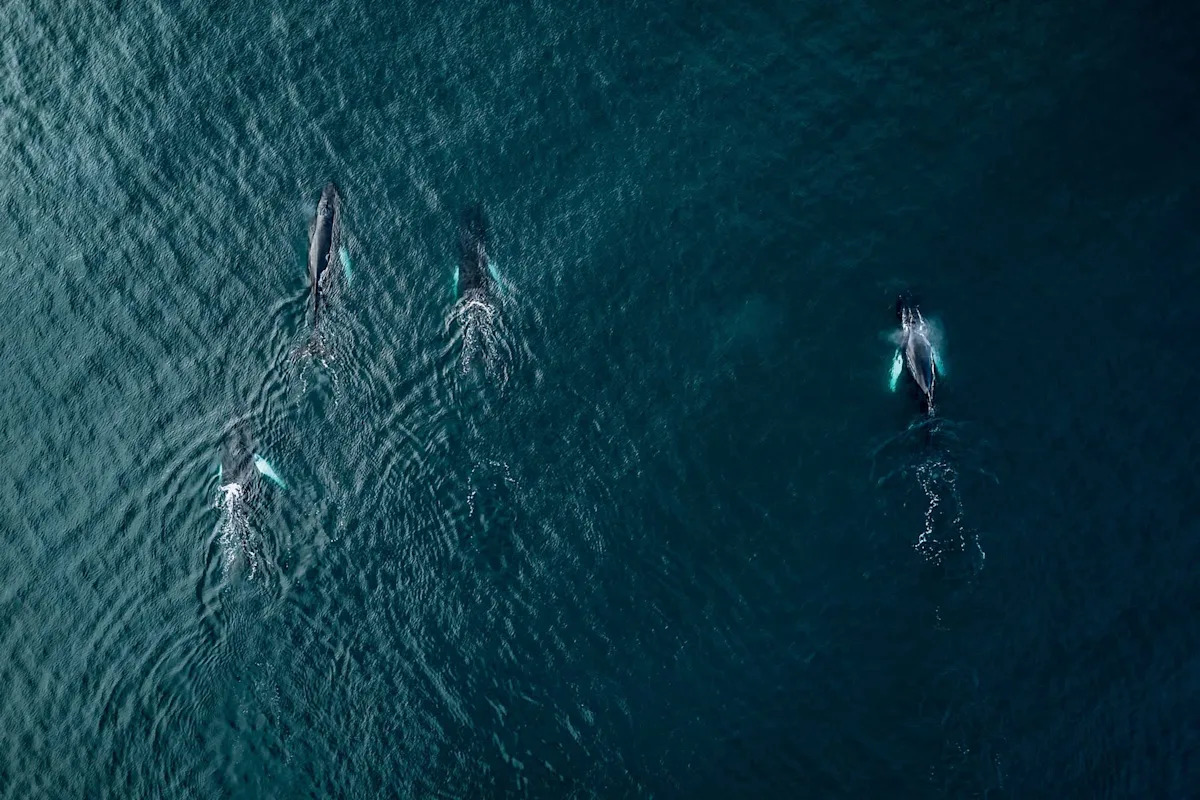
A new orca calf was spotted in British Columbia waters, according to the CBC.
In September, the young orca calf, named J64, born to orca J16, was seen swimming with its family, known to scientists as J Pod, near the Active Pass, near Mayne and Galiano islands in B.C.
“This calf was where it was supposed to be, right alongside its mom. It was pretty socially well integrated, a lot of young females were spending a lot of time around this calf,” said Michael Weiss, research director at the Center for Whale Research.
According to scientists, J64 was displaying behavior that showed healthy signs, such as surfacing and attempts to nurse from its mother.
“The pattern suggested that it was kind of in that nursing position. So all of those are good signs,” said Weiss.
Southern Resident Killer Whales are listed as Endangered under Canada’s Species at Risk Act (SARA). Lack of food, water pollution, boat activity, and noise pollution that inhibits their echolocation all contribute to declining orca populations. J Pod numbers around 70 individual orcas now, after peaking in 1996, according to the National Oceanic and Atmospheric Administration. The loss of populations of a certain species can have a devastating impact on other species and their ecosystems
Only about half of orca calves make it past one year old, according to Weiss. Young orca calves need to nurse throughout their first year to aid in their development, which can be difficult if the mother is not getting the right nutrients.
“These first few months are really quite difficult and quite critical,” Weiss said. “Every single birth we can get in this population is, is really, really precious.”
Scientists have had other hopeful sightings of orca calves around the world. In waters near Seattle, researchers saw a young orca, L128, with its pod. In southern California, a pod of 10 killer whales was seen off the shores of Orange County.
Scientists are working hard to protect endangered species of orcas. Through habitat restoration and limiting noise and water pollution, scientists are making strides to protect killer whales, allowing us to catch glimpses of whales like J64 thrive in the wild.
One way scientists are also is in protecting and improving prey for orcas.
“When I talk about, you know, having hope for the future and wanting to increase the birth rate in these whales, what we’re really talking about is recovering Chinook salmon populations,” Weiss explained.
Salmon populations have been declining due to overharvesting. Dam removal projects and revolutionary turbine systems are ways that scientists are improving salmon populations, thus improving conditions for orcas.

��
Get TCD’s free newsletters for easy tips to save more, waste less, and make smarter choices — and earn up to $5,000 toward clean upgrades in TCD’s exclusive Rewards Club.