
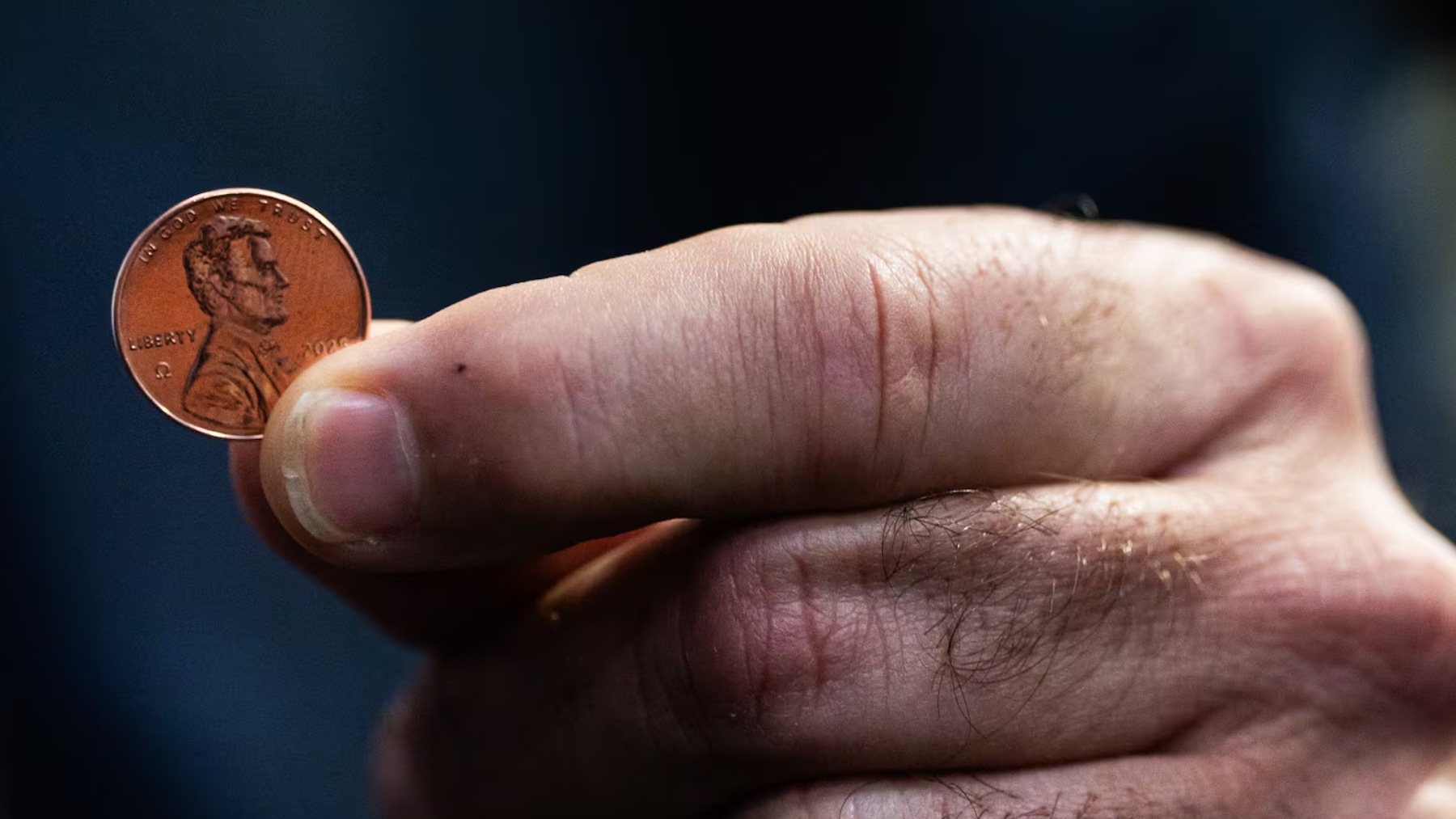
After more than 230 years, the U.S. has officially stopped minting the penny, the one cent coin that has been present in our daily lives since 1787. The last coins were minted in Philadelphia, marking the end of an era.
Even though no more pennies will be minted anymore, billions of coins are now in circulation. You can still use them to buy things and some old or rare coins could be worth thousands of dollars for collectors. The penny has more than a monetary value, it is also part of the history and culture of the U.S. and its legacy will continue; no matter if it stops being minted. So, let’s find out why this decision has been made.
The end of the penny
Of course, this decision has to do with money. In 2024, minting just one penny cost about $3.69 which means the government loses money with every coin. In fact, the U.S. Treasury reported a loss of $85.3 million in 2024 from minting over three billion pennies. To have a clear idea, let’s compare it with other coins:
A dime costs about six cents to produce.
A nickel costs around 15 cents to produce.
The U.S. President Donald Trump had applied to stop the penny production, considering it was unnecessary. He instructed the Treasury Department to stop producing new pennies, aiming to save money for the country.
Officials estimate that ending penny production will save about $56 million a year. This makes the decision both practical and cost-effective.
History of the penny
This coin was produced in 1787 for the first time and it has become one of the oldest coins in U.S. history. It has been part of Americans’ daily lives.
The last set of pennies was minted in Philadelphia in May 2025. Although its production ended, the cultural and historic importance of the penny will continue throughout time.
What happens now?
It’s true that there will be no more pennies, but the existing coins will still be valid and you can use them to buy stuff. However, many businesses are encouraging to use other payment methods:
Contactless payments are being promoted as a convenient way to pay without relying on small change.
Some stores, like Sheetz, have encouraged customers to use pennies for charity donations or round up their purchase totals.
McDonald’s warned that cashiers might not always be able to give exact change due to the shortage of pennies.
Once the penny completely disappears, the nickel will become the smallest coin in circulation. Other countries have gradually phased out their one-cent coins, for example: Canada, Australia, and New Zealand. They show that the transition can be smooth and manageable for Americans as well.
Penny’s cost vs. Value
The penny has become inefficient because it costs nearly four cents to produce a coin that is worth only one cent. This has made it one of the most expensive coins to make in the United States.
By stopping penny production the government expects to reduce how much it spends on production costs while gently encouraging the use of modern payment methods such as credit cards, mobile payments, and contactless systems.
So…
The penny’s legacy as a symbol of American history will continue. Some pennies may even become collector’s treasures, reminding us of the coin’s over 230-year journey.
In the end, even though the penny may no longer be produced, its story will continue to be a cherished and meaningful part of America’s history and daily life. We know many nostalgic people will be sad about this decision, but do you think it’s a good idea?