
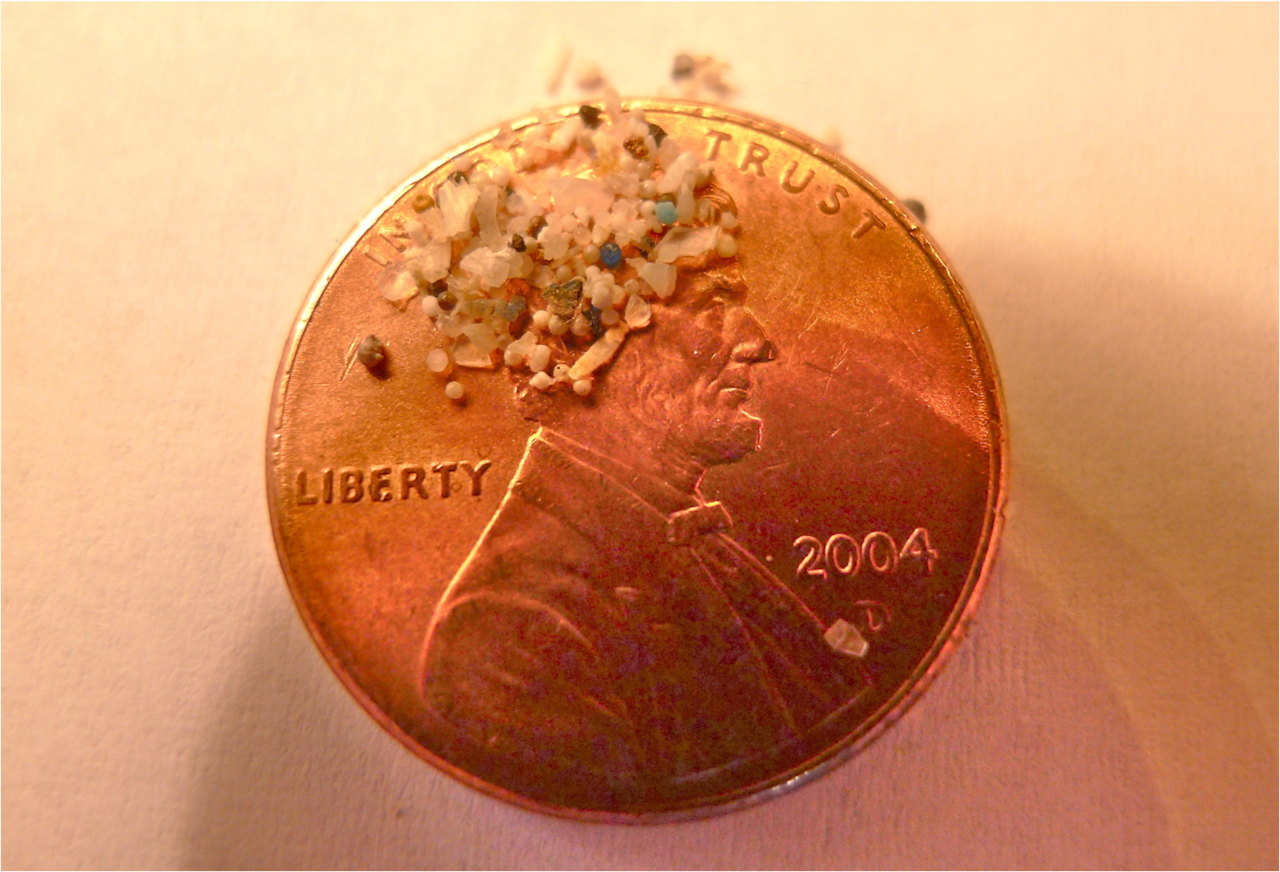
CLEVELAND, Ohio – In 2014, Sherri Mason ventured out onto Lake Erie aboard the U.S. EPA’s Lake Guardian research vessel and came back with remarkable evidence of plastic floating in the water.
She made a return trip in July 2024 – hitting several of the same spots she did in 2014 – and found the number of tiny plastic bits on the surface had increased dramatically.
That surprised Mason, who now directs a freshwater research program at Gannon University in Erie, Pennsylvania, because she figured the results would be mixed – higher volumes in some areas and lower in others – given how lake conditions can affect the results.
But that wasn’t the case.
All five sites showed increases, she said, suggesting to her that the volume of plastic in the lake had indeed gone up, despite her hopes that society was heeding warnings about plastic and limiting its use.
Three sites were in the Central Basin, extending north from Cleveland toward Canada. In all three instances, the volume of plastic per square kilometer increased.
The area nearest to Cleveland roughly doubled to 98,000 particles per square kilometer. Further out, the numbers tallied at 92,000, up from 38,000. At the site nearest to Canada, the volume totaled 188,000 particles, up from 16,000.
Closer to Buffalo, the increases were even more dramatic. Mason retrieved more than 700,000 particles per square kilometer off the Pennsylvania coast, compared with 19,000 in 2014. And in waters off Long Point, Canada, the numbers exceeded 500,000, up from 9,500.
It makes sense that the numbers were higher in the eastern portion of the lake as the current flows in that direction, she said.
Mostly microplastics
Most of the plastics were tiny, about the size of a grain of rice or smaller. Called microplastics, most were once pieces of larger items — grocery bags, bottles, straws or food packaging, for example — that broke down after exposure to the elements. And the region’s cold winters make the plastic more brittle, Mason said.
It makes sense to Jill Bartolotta that the volume of plastics in Lake Erie has gone up. For nine years – ending last June – she was the emerging contaminants specialist at Ohio State University’s Sea Grant program that promotes stewardship of Lake Erie.
The buildup of plastic on the beaches is always greater after heavy rain, she said, and now that storms are becoming more intense, even larger plastic items are getting dragged into the water before lapping onto the beach.
Another likely contributor to the plastics in the lake is “atmospheric deposition,” Bartolotta said, which is when plastics floating in the air are pulled down, much like the way sulfuric acid in the atmosphere contributes to acid rain.
“There’s plastics in clouds,” she said. “There’s plastics in raindrops.”
Mason said the COVID pandemic probably added to the increase as the country churned out plastic masks, gloves and other personal protection equipment. Also, she added, some policies changed during that period to ban reusable containers.
More on the lake bottom
Mason used a trawling net to skim the surface of the lake to collect her samples, but there’s even more plastic down below that she couldn’t get to.
Counts would be higher in the sediment at the bottom of the lake because slime and organisms build up on plastics over time, increasing their density and causing them to sink.
Mason is among the many scientists, medical experts and environmental activists warning about the harmful effects of plastics on humans, especially when inhaled and ingested. They see a need to curtail plastic production, especially of items such as packaging that do not play a life-saving role.
Mason said she’s not against all plastic, just “stupid plastic.”
Mason expects to conduct more surveys of the lake, adding that the International Joint Commission, created by the United States and Canada to manage boundary waters, has called for regular monitoring of microplastics in the Great Lakes.