
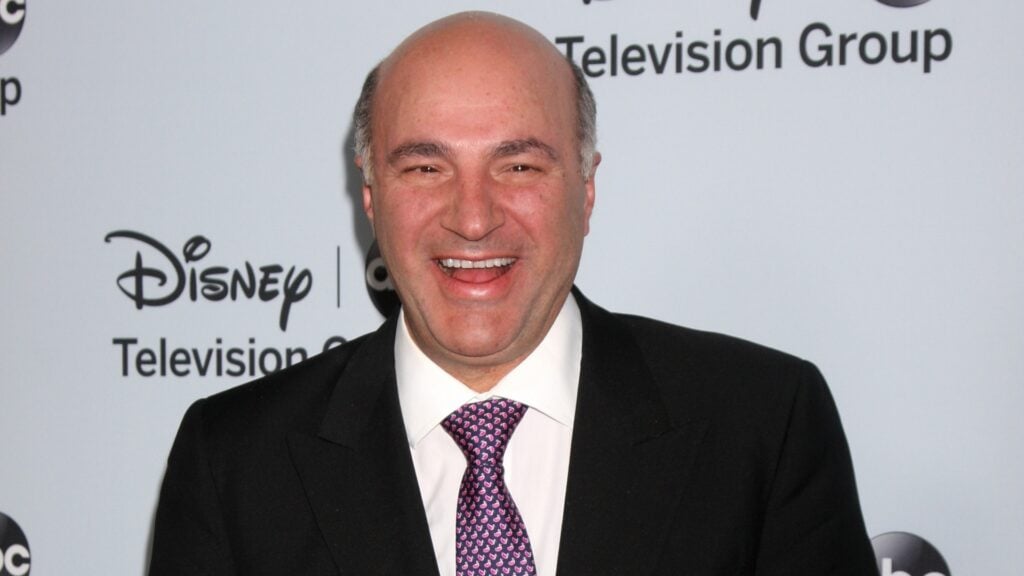
When Kevin O’Leary shares money advice, it’s usually blunt, basic, and built to last.
In a Facebook post last year, the “Shark Tank” investor said the real secret to wealth isn’t getting rich and living large—it’s getting rich and living exactly the same.
“One of the big secrets to growing wealth,” he wrote, “is never changing your fundamental lifestyle as the money piles up.”
O’Leary’s brand of financial discipline is legendary. He’s spoken out about people blowing small fortunes on “fancy” lattes, restaurant lunches, and expensive cars that lose value the moment they leave the lot.
Don’t Miss:
For him, coffee is a prime example of casual financial sabotage. “It costs you 20 cents to make at home,” he once said. “Why are you paying $5?” That’s not just a caffeine complaint—it’s a core principle. Small expenses repeated daily are what erode wealth quietly while people convince themselves they’re being responsible with the big stuff.
The larger point is that lifestyle inflation is what traps even high earners in paycheck-to-paycheck cycles. O’Leary’s post wasn’t just about frugality—it was a shot across the bow at a cultural default: “earn more, upgrade more.” It’s a habit that keeps millions of people looking rich while staying broke.
That phenomenon even has a name: lifestyle creep. And it’s not just a buzzword—it’s backed by research. In the book “The Millionaire Next Door,” by Thomas J. Stanley and William D. Danko, the authors found that many millionaires live in homes valued at an average of about $320,000—even though their net worth might be several million. The message is clear: accumulate wealth silently instead of spending loudly.
Trending: From Chipotle to Red Bull, Top Brands Are Already Building With Modern Mill’s Tree-Free Wood Alternative — Here’s How You Can Invest Too
That behavior’s not accidental. It’s strategic. As O’Leary sees it, wealth building is a behavioral game. You don’t need to make $5 million to get ahead—you just need to act like you don’t have $5 million, even when you do. The money you don’t spend becomes the freedom you build.
When people upgrade every part of their life as income increases—a newer car, a bigger house, designer clothes, expensive dinners—they often don’t even realize they’re erasing their own financial progress. The illusion of wealth becomes a substitute for actual wealth. O’Leary pushes back on that with force: just because you can afford something doesn’t mean you should buy it.
This mindset isn’t new for him. He’s long advocated for people to live on less than they make and treat their income increases as opportunities to invest, not excuses to spend. And he doesn’t just say it—he claims to live it. He still makes his own coffee. He still keeps a close eye on how money is used.
See Also: 7 Million Gamers Already Trust Gameflip With Their Digital Assets — Now You Can Own a Stake in the Platform
What he’s advocating in that post is simple: lock in your baseline lifestyle early. When your income rises, keep your expenses flat. That gap between income and spending is where real wealth lives.
Living within your means isn’t going to wow your friends on social media. It’s not flashy. No one’s applauding your peanut butter sandwich or your decision to drive the same car for 10 years. But it’s those choices—the ones no one sees—that buy freedom. And if you’re not sure where to draw the line between living well and living too large, a financial adviser can help map that out. Ideally one who understands wealth isn’t about appearances.
Read Next: GM-Backed EnergyX Is Solving the Lithium Supply Crisis — Invest Before They Scale Global Production
Image: Shutterstock
Up Next: Transform your trading with Benzinga Edge’s one-of-a-kind market trade ideas and tools. Click now to access unique insights that can set you ahead in today’s competitive market.
Get the latest stock analysis from Benzinga:
This article ‘Shark Tank’ Investor Kevin O’ Leary Says Never Upgrade Your Lifestyle—No Matter How Much Money ‘Piles Up’, It’s The ‘Big Secret’ To Growing Wealth originally appeared on Benzinga.com
© 2025 Benzinga.com. Benzinga does not provide investment advice. All rights reserved.