
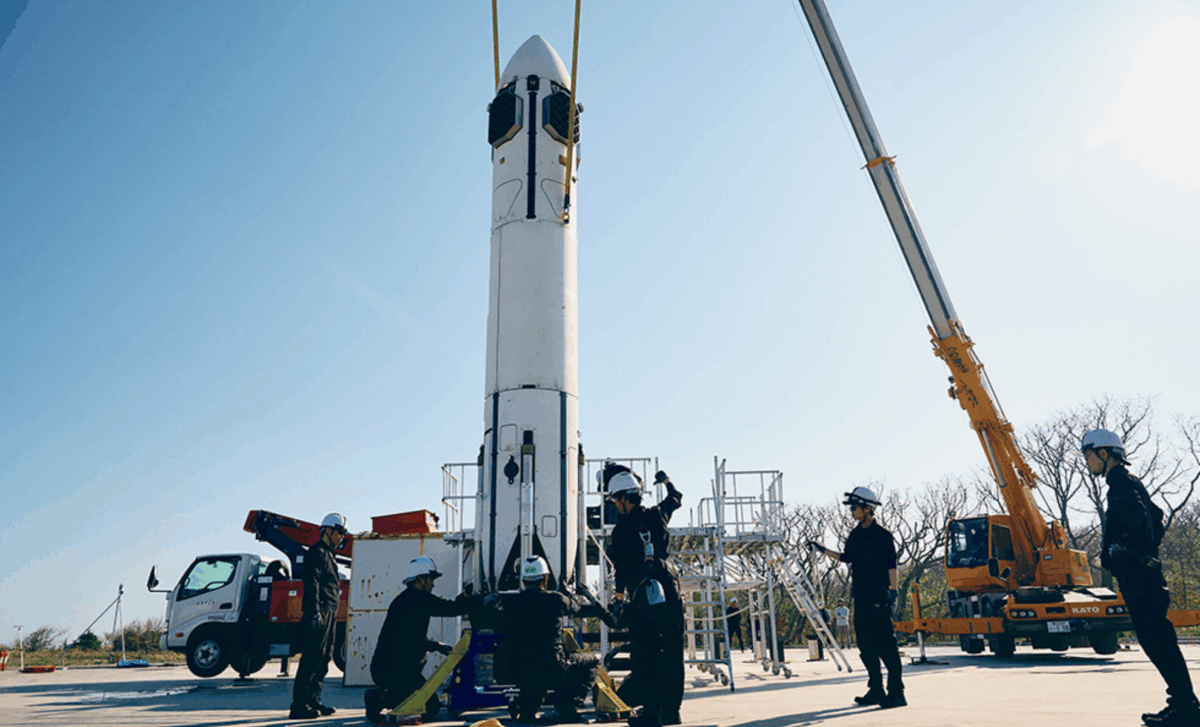
In June 2025, Honda made headlines when it successfully launched and landed a prototype 20-foot-long reusable rocket at its research facility in Hokkaido, Japan. Known primarily for its innovations in automobiles, motorcycles, and other land-based vehicles, Honda’s recent foray into space exploration seems like an unlikely move.
A Diversified Vision for the Future
Honda’s mission into space may appear to be a bold departure from its traditional focus on ground transportation, but in reality, it is an extension of the company’s long-standing commitment to innovation. The company has been at the forefront of numerous technological developments, from the first in-car navigation system to Level-3 autonomous driving systems. With a history rooted in expanding human mobility across land, sea, and air, the next logical step, as explained by Kazuo Sakurahara, former director of Honda’s Formula One racing team, is space.
“Honda products have already expanded across land, sea, and sky,” he states, highlighting the seamless progression to space exploration.
This move into space isn’t just about rockets—it’s about reinforcing Honda’s brand as an innovator that influences all aspects of human transportation.
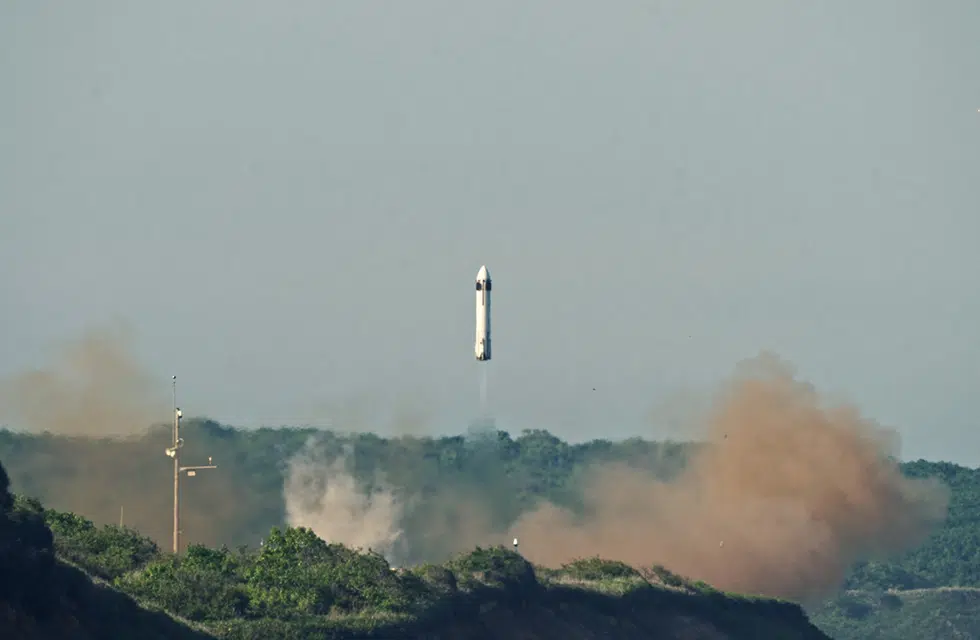 Launch and landing test (Honda)
Strategic Use of Rockets for Business and Mobility
Honda’s ambitious venture into reusable rockets is not only about exploration. The company has clear strategic intentions behind this initiative.
“The rocket could be used to take satellites up to support mobility, energy, and communication,” says Sakurahara.
These satellites, designed for wide-area communication, are crucial for supporting the increasingly connected features embedded in modern vehicles, such as advanced driver assistance systems (ADAS). As vehicles become smarter and more autonomous, the need for reliable, global satellite communication will only grow. Honda’s rockets could potentially help launch these satellites, bolstering the company’s efforts in autonomous driving technology, mobility solutions, and even expanding its reach into energy systems.
While the idea of launching satellites for Honda’s vehicles may seem far-fetched, As reported by The Verge, Sakurahara sees the broader implications.
“Honda could potentially use such satellites for its own vehicles, globally. Or it could sell this capability to other manufacturers,” he says.
By developing this capability in-house, Honda could avoid becoming overly reliant on existing space giants like SpaceX. This could give Honda a strategic advantage, especially when considering the uncertainties surrounding Elon Musk’s ventures and the potential risks involved in depending on a company with such a volatile leadership.
“I could see not wanting to be reliant on a veritable monopoly like SpaceX, especially from someone who is as unstable as Elon Musk,” Sakurahara adds.
Space: The Next Frontier for Defense and Innovation
While Honda’s push into space may initially seem like a futuristic dream, it may also serve practical and strategic purposes in the long run. According to analysts, these technologies could provide Honda with defensive capabilities, ensuring it isn’t overly reliant on external entities, particularly from a geopolitical standpoint. As Sakurahara notes,
“Space is a harsh environment, so if this works, it will be an incredibly useful robot for people, freeing users from the constraints of time, location, and physical ability.”
Honda’s space program, in that sense, could be more than just a transportation tool—it could be a strategic defense mechanism as well, reducing reliance on global powers and establishing Honda as a more autonomous player on the world stage.
Leveraging Ground Transportation Innovations for Space
Interestingly, Honda’s space exploration efforts are not as disconnected from its core automotive business as they might appear. The company’s existing expertise in aerodynamics, fuel cells, vehicle control systems, and robotics are directly applicable to the development of space technology.
“While this might seem like a diversion for Honda, they’re actually building on a lot of technologies they’ve been developing for ground transportation anyway—such as aerodynamics, fuel cells, vehicle control systems, and robots,” explains auto analyst Sam Abuelsamid.
This integration of existing technologies into new fields is a hallmark of Honda’s approach to innovation, allowing it to extend its legacy beyond traditional boundaries.
The shift into space exploration, then, is not just a marketing stunt or a passing trend for Honda; it’s a calculated, future-focused strategy that could give the company a competitive edge across multiple industries. By applying its existing technologies in new, more challenging environments like space, Honda is positioning itself as a leader in mobility and technological innovation for the coming decades.