
BANGOR (BDN) — Five new HIV cases have been detected in Cumberland County among people who inject drugs, according to a Wednesday alert from the Maine Center for Disease Control and Prevention.
All five cases have been detected this year — marking a significant jump from the one such case Cumberland County typically sees per year.
The new HIV cases were reported as the outbreak in Penobscot County continues to grow, reaching 30 cases in October. Health care providers in Portland and elsewhere in Maine have been preparing for a potential spike in cases, with some telling the Bangor Daily News last month that they expected the outbreak to spread beyond the Bangor area.
“It’s definitely not the news we want to hear, and it’s also something we’ve been bracing for for a while,” Katie Rutherford, executive director of the Portland-based Frannie Peabody Center, said Monday. Her organization is a nonprofit focused on HIV/AIDS services.
The Maine CDC directive noted that the agency is working with community organizations and medical providers to increase access to HIV and hepatitis C testing in Cumberland County, link people to care, and offer prevention services.
The alert also encouraged providers statewide to “ensure these services are available in communities throughout Maine” and recommended testing every three months for people at higher risk of infection.
Rutherford said she is in close contact with the Maine CDC and other organizations in the area that are working on “spreading our capacity as much as possible so that we can reach as many people as we can” with resources like HIV testing.
These groups will aim to reach populations that are at the highest risk of infection while also “just generally getting the message out to the community that HIV testing is really important and should be part of routine care,” she said.
The directive from Maine CDC did not use the word “cluster” to describe the new set of cases in Cumberland County, the most populated county in the state, although public health officials referred to the earliest cases in Penobscot County as a cluster when case numbers were at similar levels.
Like Cumberland County, Penobscot County previously saw an average of one HIV case per year in people who inject drugs before the outbreak began, according to the Maine CDC.
The U.S. CDC does not define HIV clusters or outbreaks based on any specific number of cases, but more generally as “groups of people that are experiencing rapid HIV transmission.”
Lindsay Hammes, a spokesperson for the Maine CDC, did not immediately respond to a request for comment.
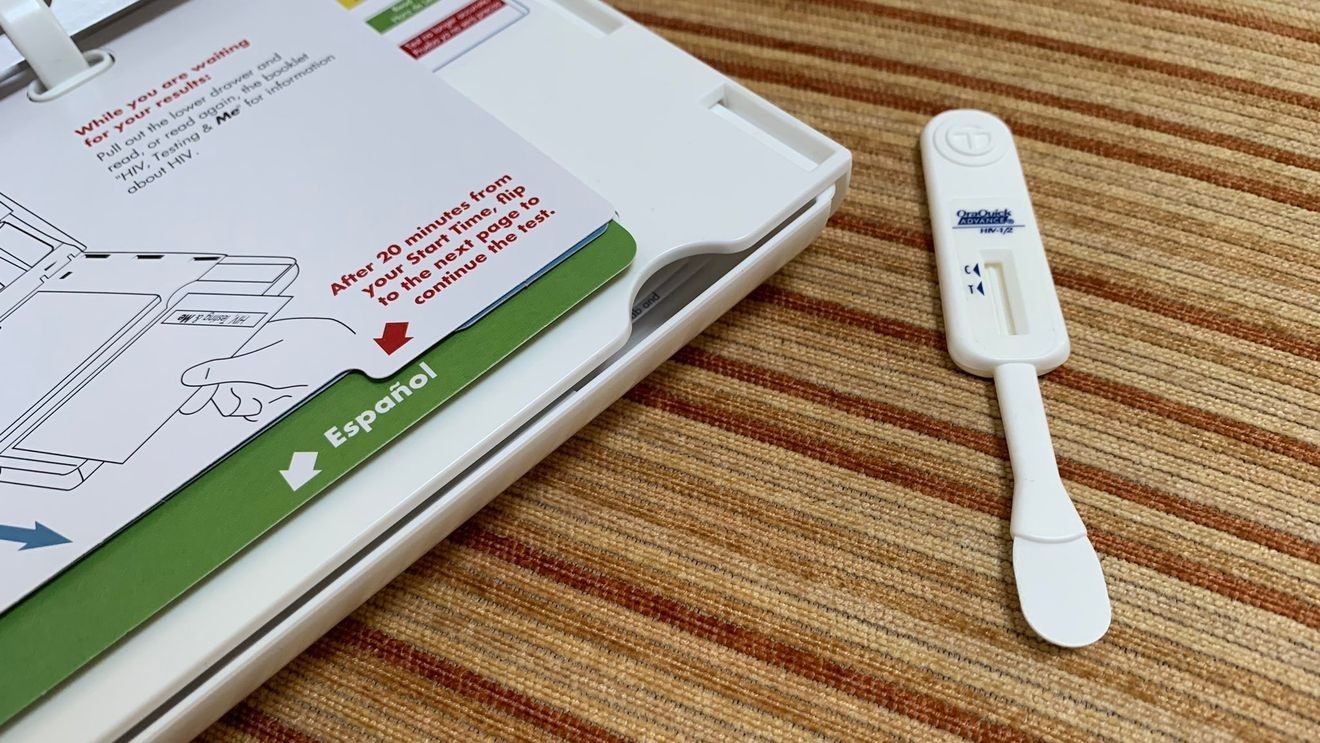
The BDN previously reported that organizations outside of Penobscot County have been ramping up HIV testing efforts, including expanding access to self-test kits, in response to the ongoing outbreak.
The Frannie Peabody Center provides free HIV test kits via mail and sends them out in discreet packaging, Rutherford said. They are available to order on the organization’s website. Rutherford also noted that HIV tests are not always included in routine care at medical offices, so people who want to be tested with their provider may have to ask specifically for an HIV test.
Maine-based public health organizations have raised concerns about proposed cuts to HIV services at the federal level and how those could limit the state’s efforts to contain the outbreak.
The House appropriations bill for next year proposed cutting $1.7 billion in funding for HIV programs, including completely eliminating HIV prevention programs and reducing care and treatment funding by 20 percent, according to the HIV and Hepatitis Policy Institute.
“It’s just an important reminder that the AIDS epidemic is not over,” Rutherford said, noting that Monday is World AIDS Day. This is the first year the federal government has not recognized the day since it was first designated in 1988.