
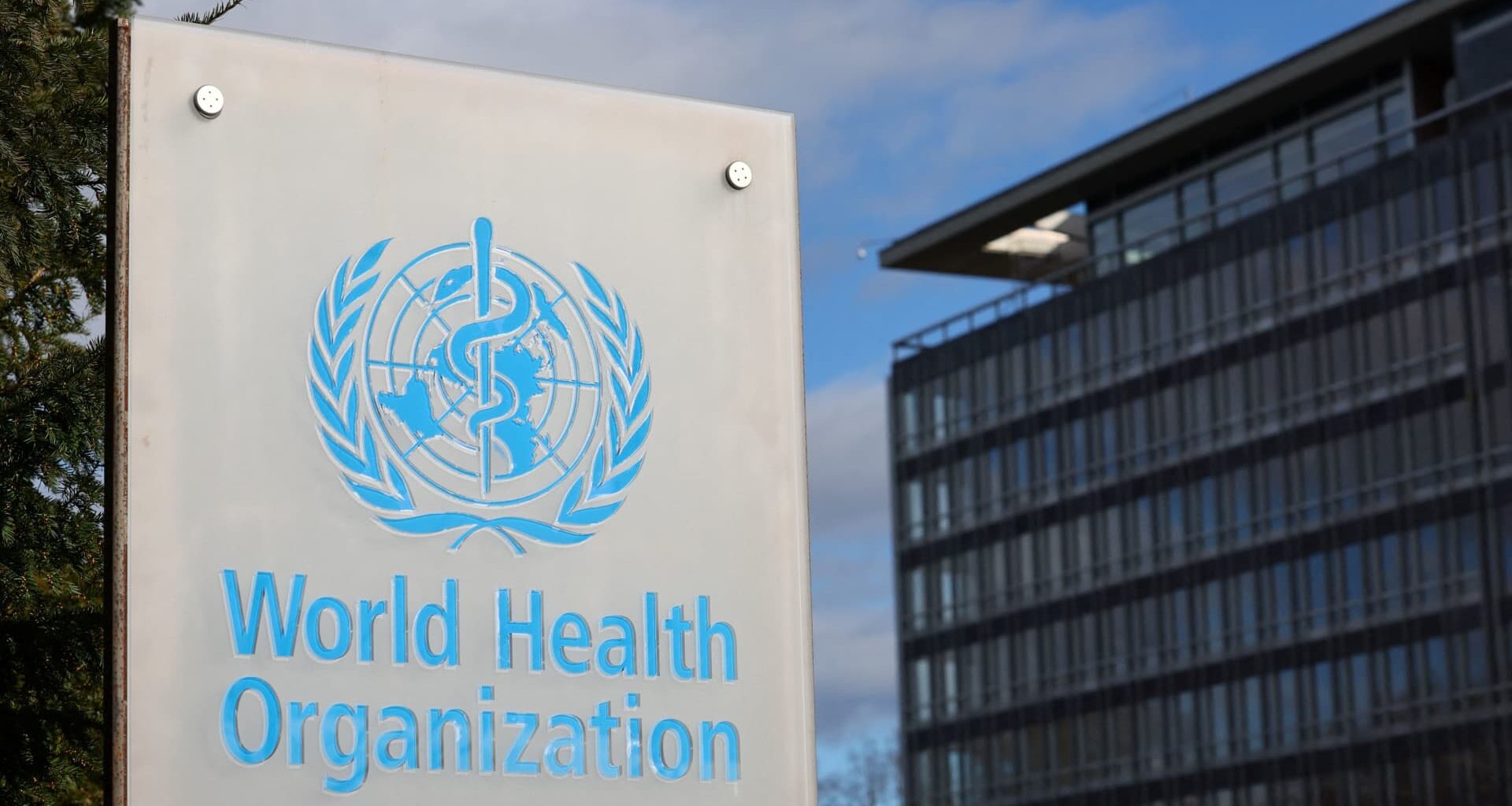
A view shows The World Health Organization (WHO) headquarters in Geneva, Switzerland, Jan. 28, 2025.
Denis Balibouse | Reuters
The World Health Organization on Monday issued its first guideline on the use of GLP-1 therapies for obesity, conditionally recommending them as part of long-term treatment for the condition, which affects more than 1 billion people globally according to the agency.
Reuters first reported that the WHO was likely to take this step earlier this year.
The guidance comes as demand for the class of drugs known as GLP-1 agonists has surged worldwide, and governments are figuring out how to include the blockbuster therapies into public health systems.
The first conditional recommendation advises the use of GLP-1 drugs by adults, except pregnant women, for long-term obesity treatment, while the second suggests pairing these with a healthy diet and physical activity.
WHO Director-General Tedros Adhanom Ghebreyesus said the move “recognizes that obesity is a chronic disease that can be treated with comprehensive and lifelong care,” but warned that medication alone will not solve this global health crisis.
Dr Marie Spreckley of the University of Cambridge said the recommendations were “appropriately graded as conditional,” noting the uncertainties around long-term use at higher doses, affordability and health-system capacity.
WHO officials stressed that access is now the biggest challenge. Even with rapid expansion in production, GLP-1 therapies are projected to reach fewer than 10% of those who could benefit, by 2030.
“Our greatest concern is equitable access, without concerted action these medicines could contribute to widening the gap between the rich and poor, both between and within countries,” Tedros said.
The latest move builds on the agency’s decision in September to add semaglutide and tirzepatide, active ingredients in Novo Nordisk’s Ozempic and Eli Lilly’s Mounjaro, to its essential medicines list for managing type 2 diabetes in high-risk groups, but stopped short of adding them for obesity.
WHO officials emphasized the need for expanding production, improving affordability, and creating procurement mechanisms such as pooled purchasing that have worked in large-scale health programs like HIV, to ensure equitable access to GLP-1s.
The latest guideline applies to adults with a Body Mass Index of 30 or higher and the recommendations are for three agents – semaglutide, tirzepatide, and an older drug from the same class called liraglutide.
WHO will work with governments and stakeholders in 2026 to help prioritize access for people with highest need, as the economic toll of obesity is projected to reach $3 trillion annually by 2030.