
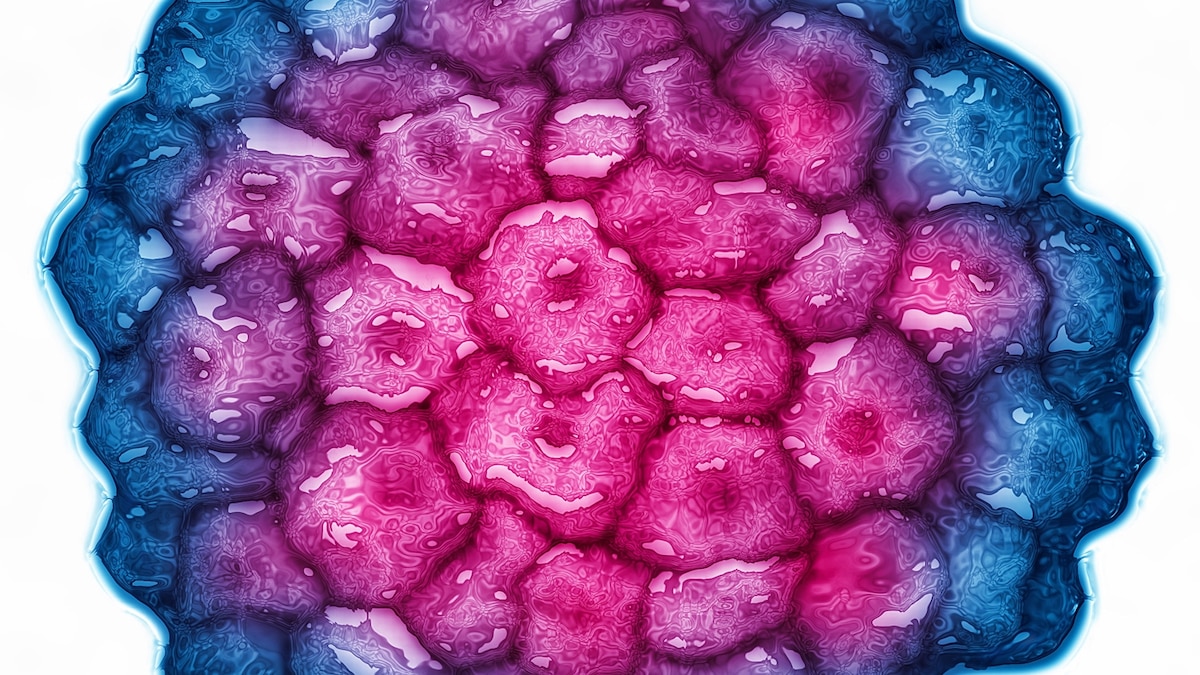
Meanwhile, people with advanced lung and skin cancer who took a COVID-19 mRNA vaccine within three months of starting immunotherapy treatment for their malignancy improved the medicine’s response to the tumors and lived longer than those who didn’t.
Scientists can’t say for sure why getting vaccinated has these additional benefits. Still, they note that lingering viruses, such as Epstein-Barr, have been linked to dementia and other long-term health complications, such as lupus, and that revving up the immune system could boost immunotherapy.
8. Stopping pancreatic cancer before it starts
Pancreatic cancer is one of the deadliest malignancies, in part because it’s often diagnosed only after it has reached an advanced stage. Fewer than 13 percent of patients survive five years after diagnosis.
In 2025, scientists made progress toward detecting—and potentially preventing—the disease much earlier. In studies using lab mice and human cells, scientists found that blocking the FGFR2 protein, which turbocharges early pancreatic cancer cells, prevents them from becoming cancerous in certain situations.
Because drugs that inhibit this protein are already available, researchers hope to test this approach in high-risk individuals, including those with a family history of the disease. Human trials are still needed, but the work offers early insight into how pancreatic cancer might one day be intercepted before it forms.
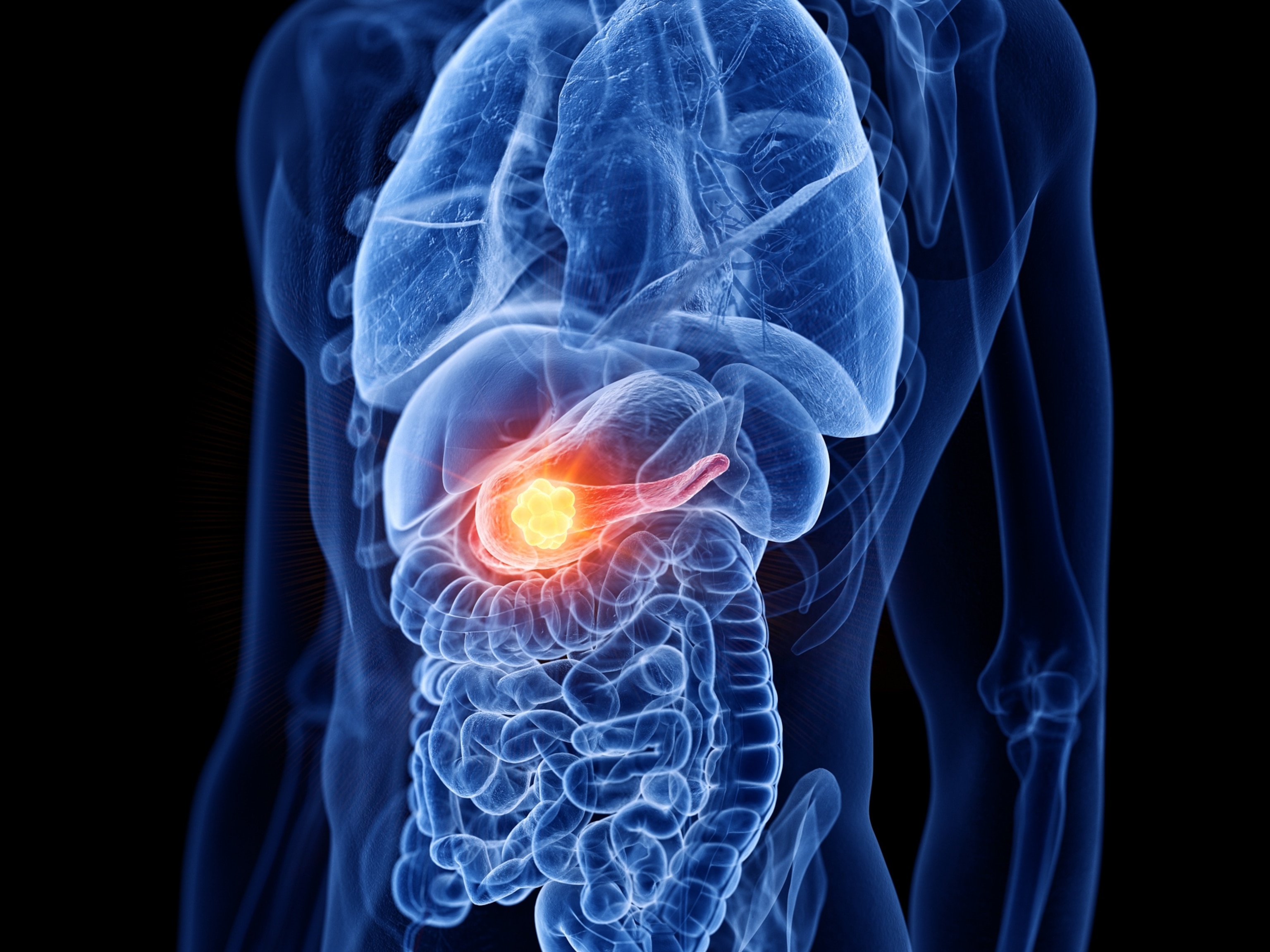
An illustration depicts pancreatic cancer. The disease is notoriously hard to catch early, but scientists are beginning to identify biological clues that could allow earlier detection.
3DMedisphere/Science Photo Library
9. Creating an atlas of the human body
Our understanding of the human body took a huge step forward this year when British researchers reached the goal of completing more than a billion medical scans from 100,000 volunteers. The project—part of the U.K. Biobank, one of the world’s most comprehensive health databases—includes magnetic resonance imaging, ultrasounds, and other detailed scans of the brain, heart, bones, joints, torso, and blood vessels.
Researchers also took physical measurements, blood samples, and genetic material, along with assessments of lifestyle and environmental exposures. All data has been made anonymous. The next step is for several hundred thousand participants to return up to seven years later for additional scans, providing evidence of how the body changes over time.
The biobank has already powered thousands of scientific studies. In one example, scientists learned from more than 40,000 scans that when the heart shows signs of disease, the brain often does as well, suggesting that protecting cardiovascular health could help lower the risk of dementia.