
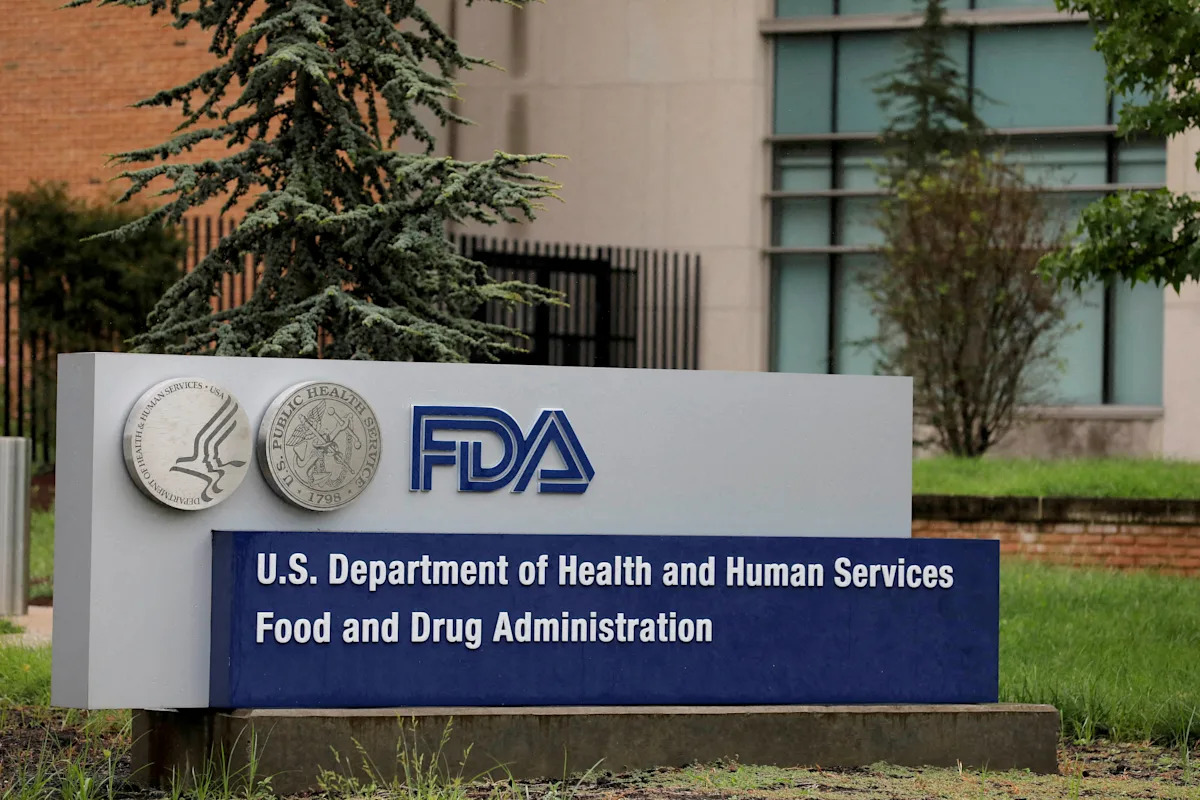
The nation’s top drug regulator, Richard Pazdur, has decided to retire three weeks after taking the job.
Pazdur privately mused last month about retiring from the Food and Drug Administration or returning to his old job at the agency as he raised concerns about the legality and pace of agency plans to expedite drug decisions, The Washington Post previously reported.
Pazdur’s retirement follows tensions with FDA Commissioner Marty Makary, who has touted multiple initiatives aimed at boosting the agency’s efficiency. Pazdur had questioned Makary’s plans to significantly shorten review times for drugs developed by companies that are aligned with the country’s priorities, such as efforts to address unmet medical needs or boost domestic manufacturing.
In a statement, an FDA spokesperson said that Pazdur’s years of “leadership, vision and dedication” will continue to shape the agency.
“We respect Dr. Pazdur’s decision to retire and honor his 26 years of distinguished service at the FDA,” the statement said. “As the founding director of the Oncology Center of Excellence, he leaves a legacy of cross-center regulatory innovation that strengthened the agency and advanced care for countless patients.”
Pazdur did not return a request for comment. STAT News first reported Pazdur’s retirement decision.
Pazdur submitted his retirement papers intending to exit the FDA by the end of December but could seek to reverse his planned retirement, according to two people familiar with his decision who spoke on the condition of anonymity to discuss personnel matters. However, the Department of Health and Human Services views the retirement as final, according to a federal health official familiar with the matter who spoke on the condition of anonymity because they can’t discuss a personnel matter publicly.
Pazdur had spent more than 25 years at FDA, including as the leader of the agency’s Oncology Center of Excellence.
“This is a very sad day for science and for patients,” said Ellen V. Sigal, chairperson and founder of advocacy group Friends of Cancer Research. “Rick was our guiding light, and this loss is profound.”
Makary on Nov. 11 announced that Pazdur would lead the agency’s Center for Drug Evaluation and Research after the previous leader, George Tidmarsh, resigned under pressure. Tidmarsh faced internal scrutiny and a lawsuit over his critique of a treatment made by a company that alleged he had a vendetta against its board chair.
Vinay Prasad, the agency’s top vaccine regulator and a Makary ally, also had been a past critic of Pazdur. On Friday, Prasad laid out a stricter approach for federal vaccine approvals, writing in an internal FDA email that his team had concluded coronavirus vaccines had contributed to the deaths of at least 10 children. He did not detail the evidence, and his comments raised deep alarms from some public health experts and former agency staff.
Makary and Prasad extolled Pazdur at length in a Nov. 13 podcast, saying that his elevation as the FDA’s top drug regulator would bring stability and innovation to the agency.
“This is where Rick is a genius, right?” Makary said, praising Pazdur’s ability to expedite new drug approvals by sharing strategic guidance with pharmaceutical companies.
Wall Street analysts last month also said that Pazdur’s selection was a positive sign for the FDA, which had experienced months of turbulence under President Donald Trump.
Pazdur was probably the “best choice possible for patients and industry,” Chris Meekins, a managing director at Raymond James, wrote in an investor’s note.
“Bad news bears,” Meekins told The Post on Tuesday reacting to Pazdur’s decision to retire. He called the news the inverse of what he wrote in his investor’s note last month.
On Tuesday, he wrote in an investors note that “the reality is that FDA has more drama than the Real Housewives shows and at some point, political leaders at HHS or the White House will have had enough.”
Pazdur’s retirement marks the latest flash point for an agency dealing with layoffs and exits of senior officials. Last month, Pazdur said in a statement through an HHS spokesman that he remains committed to the drug center’s mission and his current position.
An HHS spokesman previously said the department “strongly disagree[s]” with the premise that FDA decisions are unpredictable.
“Regulatory requirements may evolve as new data emerge, but this reflects a rigorous, science-driven review process, not inconsistency,” Rich Danker, an HHS spokesman, wrote in an email last month.
Related Content
D.C. memorial for National Guard shooting victims draws sympathy, anger
A Wyoming county fair brings back pig wrestling — but with no men allowed