
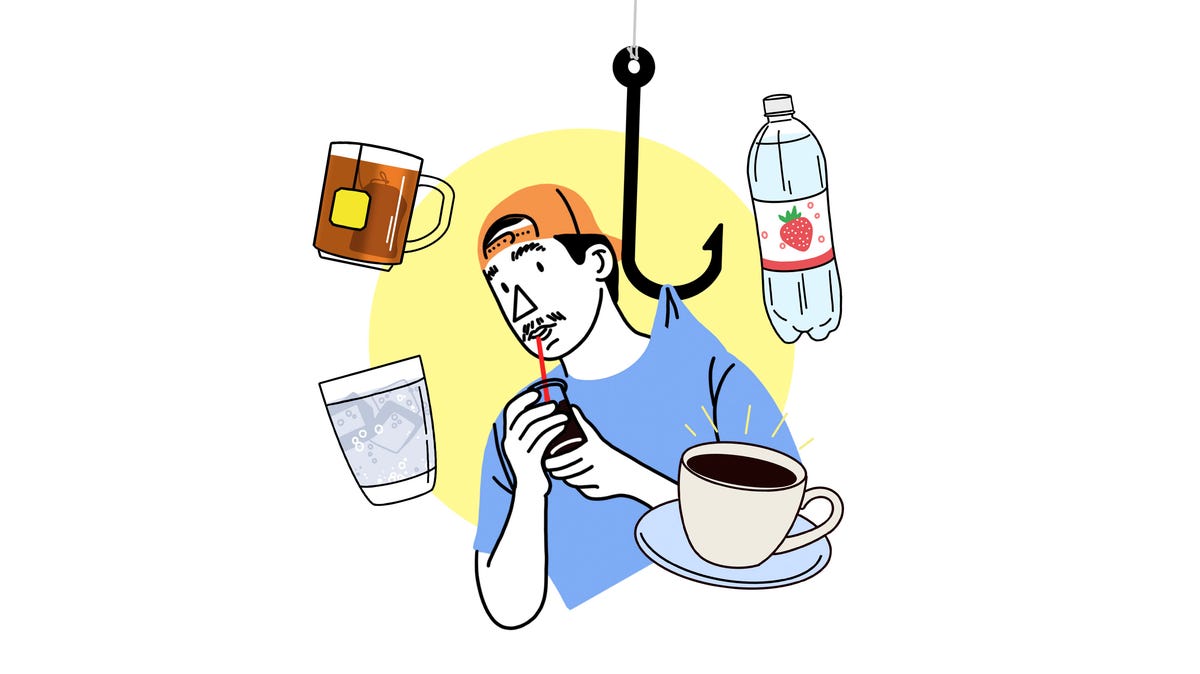
Soda isn’t great for us. That’s not breaking news. Sugars and artificial flavors lack quality nutrition. So, many people reach for diet soda. But that’s not so healthy either. Recent research found that even just one can of diet soda can contribute to liver disease. Regular soda, too.
Yet, many Americans are addicted to fizzy drinks. And for those who wish to stop, cutting soda cold-turkey might not be a good idea — as some USA TODAY journalists recently learned when we tried it.
“People are struggling to stop even though they really want to,” explains Ashley Gearhardt, professor of psychology at the University of Michigan. “You go through withdrawal.”
That’s because soda appeals to our brain’s instinctual desire for sugars and fats that help us survive — and our bodies adapt to increasingly high exposure to these ingredients over time, raising tolerance and making quitting painful, Gearhardt explains. You may get headaches, irritability and anxiety, she says.
“You have to think about it as if you were quitting smoking,” Gearhardt says. “You need to know what are your cues? What are your triggers? What emotions set you off? Certain times of day? Certain people? … Then you can come up with plans for a replacement.”
The alternative that’s right for you has a lot to do with why you’re drinking soda in the first place.
Here’s how to get startedThe best soda alternatives
“If people want caffeine, switching to coffee without sweetener is much healthier,” Gearhardt says, but she gives one warning: “Getting caffeine through soda gives energy much faster. You may not get as intense of a caffeine hit from coffee, so there might be a little bit of grieving … but that’s because we weren’t supposed to be getting that in the first place.”
Morning headache? You can also try over-the-counter medications that contain a bit of caffeine, says Jennifer Temple, director of the Nutrition and Health Research Laboratory at the University of Buffalo. If you’re using soda to address a chronic medical issue, such as migraines, it’s a good idea to consult your doctor.
Tea is a good option for a later-in-the-day caffeine boost as it generally contains less caffeine than coffee. And if you can’t stand the taste of coffee or tea, remember there are many varieties and flavors to try – and either of these beverages with a bit of natural sweetener or milk is going to be better for you than soda.
If you love carbonation, Gearhardt says to try seltzer or non-sweetened sparkling water “in the periods you would be going for a soda.”
If you love soda for the taste, Temple suggests making “spa water” flavored with lemon, cucumber, ginger, mint, basil or other fresh ingredients.
Electrolyte powders, juice and kombucha also substitute sweetness and quench thirst, but be careful of sneaky high sodium amounts or other additives, Gearhardt says.
When soda is your best bet
Soda is OK to use as an alcohol replacement because most people usually only drink alcohol at certain times or in certain settings anyway.
“If it’s an occasional thing, there is flexibility,” Gearhardt says. Like we do with alcohol, set up “no soda zones,” such as your work area to reduce the number of hours and places you could potentially drink a soda.
If you want to swap out soda at your next happy hour, check out mocktails, zero-proof beer and wine or alcohol-free liquors, Temple says.
If you can’t quit soda…
When in doubt, Gearhardt says use your common sense: What is the lowest-sugar option you have at any place and time?
And when stopping soda has you feeling down, Gearhardt says to remember this is about prioritizing wellbeing. It’s not “quitting,” she says, it’s “getting healthier.”
If you’re not ready to ditch soda altogether, that’s OK. Eliminating just one soda per day can make a major health impact, Temple says: “View it more like a treat than a daily habit.”