
Wednesday 03 December 2025 10:53 am
Share
Facebook Share on Facebook
X Share on Twitter
LinkedIn Share on LinkedIn
WhatsApp Share on WhatsApp
Email Share on Email
 Today 1.5m people in the UK are estimated to be accessing GLP-1
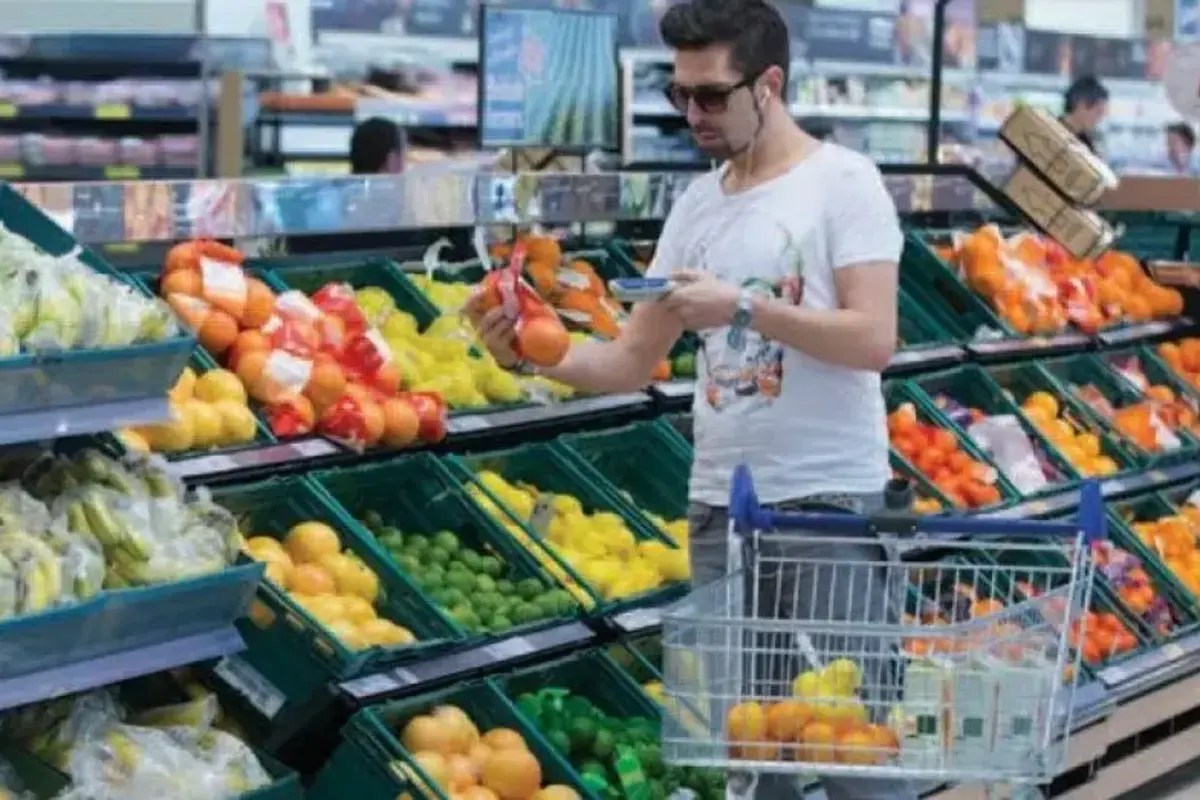
The rise of weight-loss drugs is starting to affect supermarket sales, with experts warning that the sector is unprepared for the change this Christmas.
More than one in ten Brits is set to host someone on GLP-1 medication this year, prompting less alcohol and fewer sweets on the menu.
“There is a worry that Christmas retail hasn’t caught up with reality,” Toby Nicol, chief executive at Chequp, said.
“Millions of people now eat dramatically smaller portions, yet the supermarket aisle still assumes everyone wants a full adult serving,” he added.
The share of UK households with at least one GLP-1 user has almost doubled in size from 2.3 per cent to 4.1 per cent in the last year, according to retail experts at Kantar, which has drawn a link between a decline in grocery sales volumes and an uptick in the popularity of weight-loss jabs.
Weight loss is “definitely a trend that the industry should keep an eye on, as these drugs have the potential to steer choices at the till,” Kantar analyst Fraser McKevitt said earlier this year, warning that “supermarkets and grocery brands are entering new territory as weight-loss drugs become more popular”.
In its latest annual food and drink report, Waitrose found an increasing number of people replacing full meals with snacking foods.
“[The 2025 report] highlights a fundamental change in how customers shop, influenced heavily by concerns over ultra-processed foods and weight loss jabs”, the supermarket said.
Read more
Uber Eats new tech aims to beat Deliveroo in Christmas delivery war
According to the latest research from Bloomberg Intelligence, weight-loss drugs are set to wipe out $53bn [£40bn] in sales in the food and beverage sector by 2035.
Volume losses will be steepest in snacks, baked goods and confectionery, according to Jibril Lawal, analyst at Bloomberg Intelligence, with a three to five per cent sales drag in Europe.
Alcohol also faces a two to per cent drop as consumers “shift to healthier options”, Lawal added.
Analysts expect money saved on food to be spent on clothes instead: Morning Consult research showed clothing to be the number one category on which people spent more money while taking GLP-1 drugs, with 36 per cent spending more.
The switch is “not surprising”, Berenberg analsysts said.
“A GLP-1 user would likely require smaller clothing sizes at reasonable prices, particularly if they are moving down a number of sizes on their weight loss journey…we would expect users to become more interested in their appearance, buying into new shapes and styles.”
The second category on which people spend more money on while taking GLP-1 medication is hair and skincare products, with 33 per cent spending more on this category.
Read more
Retail footfall sinks for sixth straight month as Brits fear Budget taxes
Similarly tagged content:
Sections
Categories
People & Organisations