

The shortage has been caused by manufacturing issues and increased global demand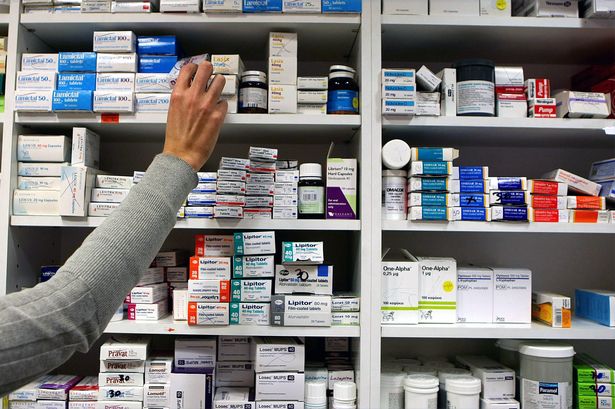 Some patients have been forced to switch doses or brands(Image: PA)
Patients are being warned of ongoing disruption to supplies of a commonly prescribed ADHD medicines, after the Government confirmed one medication will remain out of stock for weeks.
Health minister Dr Zubir Ahmed has responded to concerns over the supply and availability of attention deficit hyperactivity disorder (ADHD) medication.
He said “substantial progress” has been made in tackling widespread shortages of ADHD medicines seen earlier this year, with most products now back on shelves.
These include all strengths of lisdexamfetamine, both capsules and oral solution of atomoxetine, guanfacine prolonged-release tablets, and several forms of methylphenidate.
However, one key treatment – methylphenidate 30mg prolonged-release capsules, sold under the brand name Equasym XL – remains unavailable. Dr Ahmed said it will be “out of stock until late December”.
 One ADHD medication will remain out of stock for weeks(Image: Getty Images)
The Department of Health has issued guidance to GPs and pharmacists on how to support patients who rely on the drug while supplies are disrupted. Many patients have faced difficulties obtaining prescriptions over recent months, with some forced to switch doses or brands.
Dr Ahmed said the Government is continuing urgent work with manufacturers, NHS England and the Medicines and Healthcare products Regulatory Agency to “resolve the few remaining challenges” in the supply chain.
Measures include securing extra stock, fast-tracking deliveries and increasing the number of UK suppliers to prevent future shortages.
Officials are also working with NHS England’s ADHD taskforce to improve forecasting and demand planning, amid rising diagnoses and pressure on ADHD services nationwide.
A regularly updated list of which ADHD medicines are available, as well as which remain out of stock, is being published by the Specialist Pharmacy Service.
 NHS figures suggest five per cent of children and young people have ADHD(Image: Getty Images)
The South West London and St George’s Mental Health NHS Trusts said in July that the shortage has been caused by a combination of manufacturing issues and an increased global demand.
Earlier this year, a study revealed that ADHD prescriptions have risen 18 per cent year-on-year since the pandemic, with prescriptions in England climbing from 25.17 per 1,000 people in 2019/20 to 41.55 per 1,000 people in 2023/24. Methylphenidate, or Equasym XL, is the most commonly prescribed medication.
The researchers suggest the rise could be due to increasing awareness on social media encouraging people to seek help.
The NHS said in May that almost 2.5 million people in England are likely to have ADHD, including those without a diagnosis. Of this figure, an estimated 741,000 are children and young people aged five to 24, figures suggest.
The figures are based on estimates from the National Institute for Health and Care Excellence (NICE), which suggests that around three to four per cent of adults and five per cent of children and young people have ADHD.