
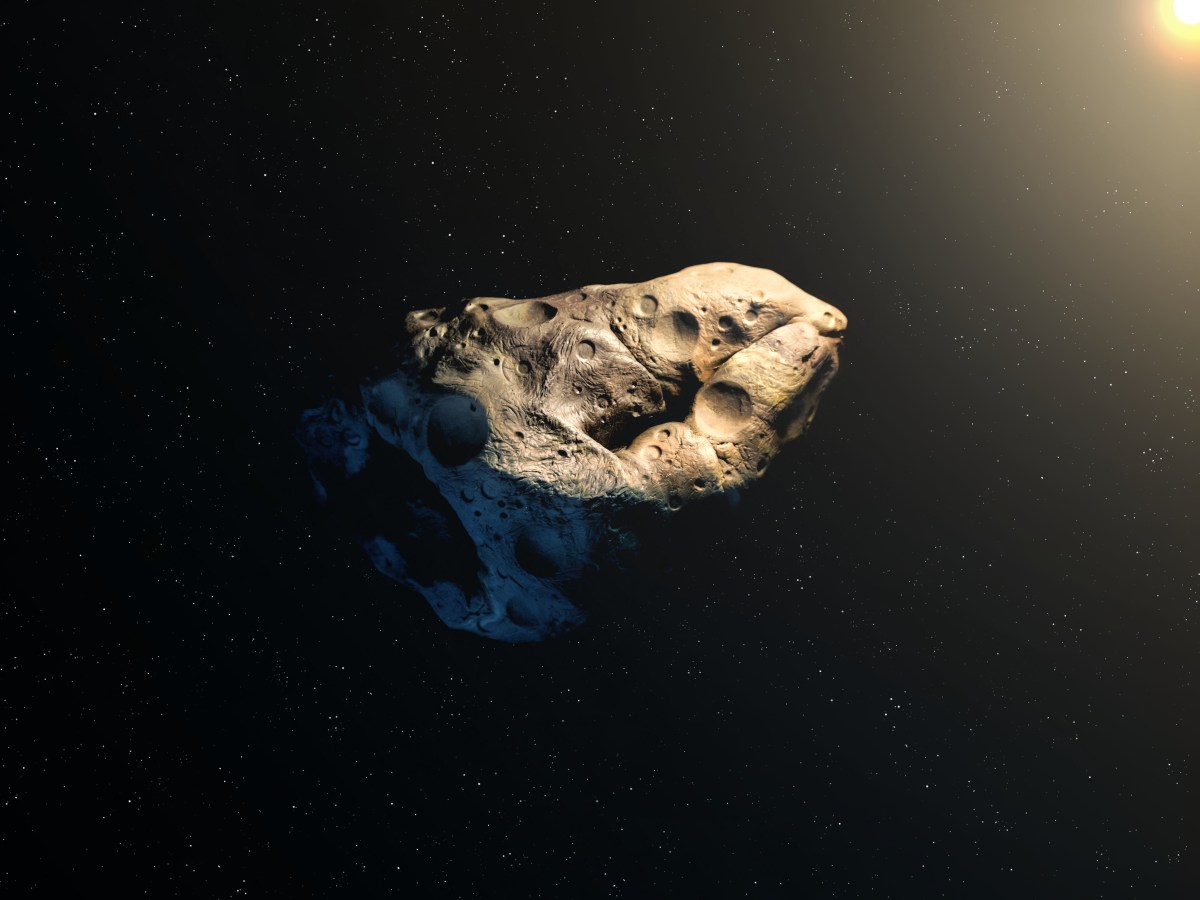
NASA is monitoring an asteroid—”2025 XM”—that is expected to pass within 295,000 miles of Earth today, December 9, according to data from the agency’s Jet Propulsion Laboratory (JPL).
The visiting space rock is hurtling through the solar system at a zippy 9,753 miles per hour.
With an estimated diameter of 84 feet—roughly the size of a commercial airplane—2025 XM falls well below the size threshold NASA uses to define a potentially hazardous object.
Objects that pass within 4.6 million miles of Earth and measure more than 150 meters in diameter are classified by NASA as “potentially hazardous.”

For comparison, the average distance from Earth to the moon is about 239,000 miles (385,000 kilometers), meaning 2025 XM’s approach will take it to just over 1.2 times the lunar distance.
2025 XM is not the only asteroid whizzing through Earth’s backyard this week. According to NASA, the coming days will also see the 48-foot “2019 XN3” pass the Earth within a more relaxed 1,360,000 miles of us on December 10.
Later that day, 1999 SF10—a 140-feet-across space rock—will get within around 1,950,000 miles of Earth.
Do you have a tip on a science story that Newsweek should be covering? Do you have a question about asteroids? Let us know via science@newsweek.com.