
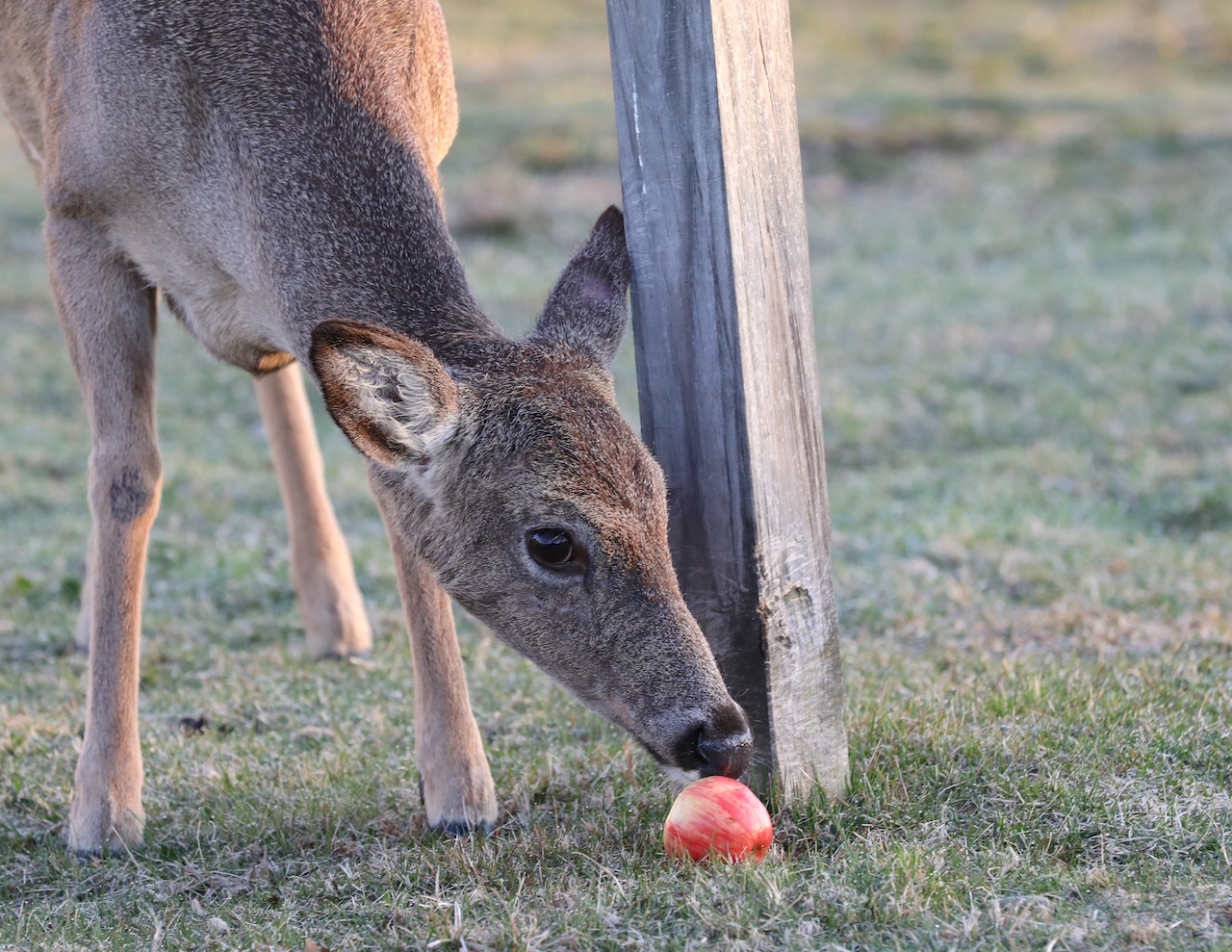
STATEN ISLAND, N.Y. — More than 2,000 deer call Staten Island home, and many animal lovers can’t resist the chance to feed them when winter’s chill and snow appear to limit their food sources.
But doing so poses serious risk to the animals and to people, environmental experts warn.
Though the New York City Health, Parks and Police Departments would prefer a lower deer population, and the Big Apple has enlisted a controversial vasectomy program to control it, the furry creatures with brown eyes and fluffy tails continue to roam freely in parks and in many backyards.
And though it may seem that winter’s cold will cause them hunger and pain, feeding them poses serious risks to the animals and people alike, experts warn.
It is illegal to feed deer anywhere in the state, according to the New York State Department of Environmental Conservation, which cites several safety-guided reasons.
When you feed a deer, you affect their natural behaviors, leading to social conflicts, disruption of their migratory movements, destruction of natural environments and risks to their health, the DEC says.
Feeding deer within 300 feet of a roadway causes particular risks, the DEC says, and leads to more risk of vehicular crashes and human injuries.
Here’s a look at all the risks that take place when people feed deer, according to the DEC and New York City Parks Department:
Cause aggression: Feeding can alter deer’s natural migration patterns and social behaviors. This can lead to increased aggression among animals.Human Safety: Feeding attracts deer to residential properties and roadsides, increasing the risk of vehicle collisions. Deer collisions are a serious issue in New York, with more than 70,000 deer–vehicle accidents reported annually across the state — each causing an average of $4,000 in property damage, according to reports. Habitat Damage: Overpopulated deer in specific areas where feeding is taking place can permanently damage natural habitats and residential landscaping. This includes your neighbor’s yard. And they might not appreciate it.Spread of disease to humans: Deer often carry with them ticks carrying Lyme disease. Attracting deer to linger on your property or on the perimeter of wooded areas by feeding them increases risk of picking up ticks and spreading Lyme disease. Harmful toxicity: Deer eat sticks and tree bark in winter. Feeding deer grains and other high-carbohydrate foods causes their stomachs to produce harmful amounts of acid, which could lead to diarrhea, dehydration and even death, Erin Larson, a deer herd health specialist at the Wisconsin Department of Natural Resources, told MSN. This toxicity can lead to death within six to 10 hours after consuming grain, Larson said.
It is best to observe wildlife from a distance, according to the city Parks Department. They are most active at dusk and in early morning.
If you want to improve deer survival through winter, the best way is to improve the quality of their summer and fall habitat and natural food sources in parks and in densely wooded areas.