
Closing arguments were delivered Friday in the murder trial of Brian Walshe, the Massachusetts man accused of killing and dismembering his wife, after attorneys informed the court that the defendant would not testify. The Cohasset man is accused of killing and dismembering Ana Walshe, 39, around New Year’s Day in 2023. Prosecutors allege that Brian Walshe disposed of his wife’s remains in dumpsters around the area.Ana Walshe was last seen alive on New Year’s Eve in 2022. What began as a missing person search in Cohasset and Washington, D.C., quickly escalated. Within days, Brian Walshe was arrested and accused of misleading investigators.Prosecutors said he killed his wife, believing she was having an affair, then dismembered and disposed of her body, which was never found.Brian Walshe’s defense team said he discovered his wife was dead when he climbed into bed with her after celebrating on New Year’s Eve and that Ana Walshe’s death was due to “sudden unexplained death.”Defense attorney Larry Tipton began his closing argument saying the commonwealth has no proof that Brian Walshe, a “loving husband and loving father,” ever thought about “harming the woman he loved.”Tipton said there is evidence Brian Walshe lied to police, there is evidence that he searched the internet and there is evidence he disposed of a body, but there is no evidence he committed murder.”Without a motive, without a reason — a reason that is based on facts and circumstances, logic and understanding — without that, you have a sudden and unexpected event that results in confusion and panic and fear,” Tipton said. More than 3,000 records were taken from Brian Walshe’s computer; however, “not one record refers” to any plan to murder Ana Walshe, Tipton told jurors.”Mr. Walshe loved Ana Walshe — the mother of his three children. There is no evidence that he deliberately premeditated the murder. There is no evidence that he intended to kill Ana Walshe — none whatsoever. Mr. Walshe is not guilty. He is not guilty of murder,” Tipton.Assistant District Attorney in the closing for the prosecution pointed to a “marriage in crisis” that was heading to a “breaking point.””Ana Walshe is dead because Brian Walshe murdered her,” Yas said as she pointed to Brian Walshe in the courtroom. “He cut up Ana’s body, the woman he claimed to love, and he threw her in dumpsters. He was hiding her body.” For eight days, the prosecution laid out gruesome evidence, which included video of Brian Walshe buying a hacksaw and cleaning supplies and Google searches for how to dispose of a body.”Please do not allow the defendant’s self-serving act of dismembering and disposing of Ana’s body to let him get away with this murder,” Yas said. “At the start of this trial, we asked you to use your common sense. When you do that, and you analyze the evidence as you deliberate, and you continue to use your common sense, you will see that the evidence shows there is only one verdict. Find the defendant guilty of the premeditated first-degree murder of Ana Walshe.”The defense, in the end, chose not to put Walshe on the stand and did not call any witnesses. State police investigators testified about internet searches made on Brian Walshe’s devices, including “how to saw a body,” and “is it possible to clean DNA off a knife.” Audio of police interviews with Brian Walshe were played, and photos of Ana’s belongings found in the trash after she went missing.Will Fastow, a real estate broker in Washington, D.C., where Ana was living and working, testified about his romantic involvement with her.”We quickly became close friends, confidants, and then an intimate relationship,” Fastow said.The defense argued that Brian was unaware of the affair, with Fastow confirming that Ana spoke positively about Brian and cared for him deeply.Close friends of Ana also took the stand, with one woman describing Ana’s stress about her marriage. Prosecutors highlighted that Brian and their three children had to remain in Massachusetts while he faced a federal art fraud case.”She told me how upset she was and how frustrated she was and how she was really at a breaking point,” the friend said.The jury was shown surveillance video of Brian Walshe shopping for items prosecutors claim he used to dismember Ana, including a hacksaw, a hammer, and a hatchet. As jury selection was beginning two weeks ago, Brian Walshe abruptly changed his plea to guilty on charges of misleading police and moving his wife’s body. The change of plea is an admission that Brian Walshe knows his wife is dead, which means that his defense team cannot argue that there is no proof of her death. It also means that prosecutors will need to overcome questions about the cause of her death.
DEDHAM, Mass. —
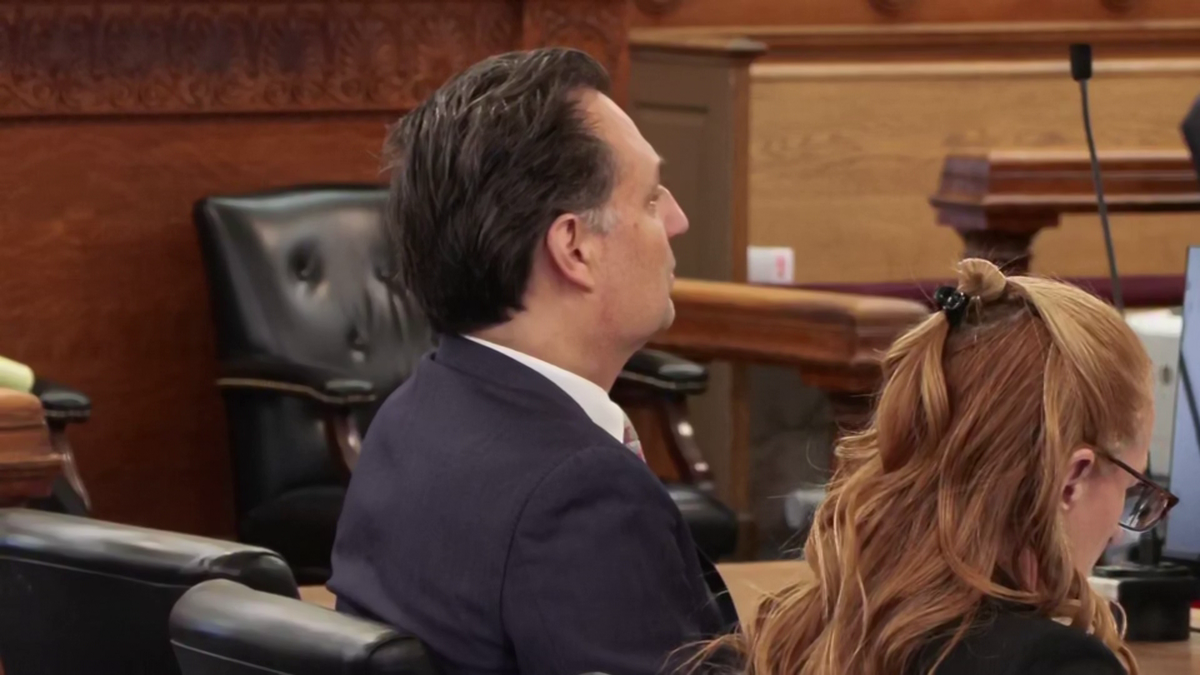
Closing arguments were delivered Friday in the murder trial of Brian Walshe, the Massachusetts man accused of killing and dismembering his wife, after attorneys informed the court that the defendant would not testify.
The Cohasset man is accused of killing and dismembering Ana Walshe, 39, around New Year’s Day in 2023. Prosecutors allege that Brian Walshe disposed of his wife’s remains in dumpsters around the area.
Ana Walshe was last seen alive on New Year’s Eve in 2022. What began as a missing person search in Cohasset and Washington, D.C., quickly escalated. Within days, Brian Walshe was arrested and accused of misleading investigators.
Prosecutors said he killed his wife, believing she was having an affair, then dismembered and disposed of her body, which was never found.
Brian Walshe’s defense team said he discovered his wife was dead when he climbed into bed with her after celebrating on New Year’s Eve and that Ana Walshe’s death was due to “sudden unexplained death.”
Defense attorney Larry Tipton began his closing argument saying the commonwealth has no proof that Brian Walshe, a “loving husband and loving father,” ever thought about “harming the woman he loved.”
Tipton said there is evidence Brian Walshe lied to police, there is evidence that he searched the internet and there is evidence he disposed of a body, but there is no evidence he committed murder.
“Without a motive, without a reason — a reason that is based on facts and circumstances, logic and understanding — without that, you have a sudden and unexpected event that results in confusion and panic and fear,” Tipton said.
More than 3,000 records were taken from Brian Walshe’s computer; however, “not one record refers” to any plan to murder Ana Walshe, Tipton told jurors.
“Mr. Walshe loved Ana Walshe — the mother of his three children. There is no evidence that he deliberately premeditated the murder. There is no evidence that he intended to kill Ana Walshe — none whatsoever. Mr. Walshe is not guilty. He is not guilty of murder,” Tipton.
Assistant District Attorney in the closing for the prosecution pointed to a “marriage in crisis” that was heading to a “breaking point.”
“Ana Walshe is dead because Brian Walshe murdered her,” Yas said as she pointed to Brian Walshe in the courtroom. “He cut up Ana’s body, the woman he claimed to love, and he threw her in dumpsters. He was hiding her body.”
For eight days, the prosecution laid out gruesome evidence, which included video of Brian Walshe buying a hacksaw and cleaning supplies and Google searches for how to dispose of a body.
“Please do not allow the defendant’s self-serving act of dismembering and disposing of Ana’s body to let him get away with this murder,” Yas said. “At the start of this trial, we asked you to use your common sense. When you do that, and you analyze the evidence as you deliberate, and you continue to use your common sense, you will see that the evidence shows there is only one verdict. Find the defendant guilty of the premeditated first-degree murder of Ana Walshe.”
The defense, in the end, chose not to put Walshe on the stand and did not call any witnesses.
State police investigators testified about internet searches made on Brian Walshe’s devices, including “how to saw a body,” and “is it possible to clean DNA off a knife.” Audio of police interviews with Brian Walshe were played, and photos of Ana’s belongings found in the trash after she went missing.
Will Fastow, a real estate broker in Washington, D.C., where Ana was living and working, testified about his romantic involvement with her.
“We quickly became close friends, confidants, and then an intimate relationship,” Fastow said.
The defense argued that Brian was unaware of the affair, with Fastow confirming that Ana spoke positively about Brian and cared for him deeply.
Close friends of Ana also took the stand, with one woman describing Ana’s stress about her marriage. Prosecutors highlighted that Brian and their three children had to remain in Massachusetts while he faced a federal art fraud case.
“She told me how upset she was and how frustrated she was and how she was really at a breaking point,” the friend said.
The jury was shown surveillance video of Brian Walshe shopping for items prosecutors claim he used to dismember Ana, including a hacksaw, a hammer, and a hatchet.
As jury selection was beginning two weeks ago, Brian Walshe abruptly changed his plea to guilty on charges of misleading police and moving his wife’s body.
The change of plea is an admission that Brian Walshe knows his wife is dead, which means that his defense team cannot argue that there is no proof of her death. It also means that prosecutors will need to overcome questions about the cause of her death.