

Scott Bessent, secretary of the U.S. Treasury and pretend soybean farmer, is here to shake things up in the financial regulation space, and by “shake things up” I mean “get rid of all the regulations.”
Bessent’s latest bold proposal is to kneecap the Financial Stability Oversight Council. Created after the 2008 financial crisis to help prevent a recurrence, the FSOC is intended to serve as an oversight and regulatory body.

Treasury Secretary Scott Bessent
But instead of having oversight and regulation, Bessent dares to dream, what if we didn’t?
Instead of overseeing and regulating, the FSOC will now “work with and support member agencies in considering whether aspects of the U.S. financial regulatory framework impose undue burdens and negatively impact economic growth, thereby undermining financial stability.”
This is a bunch of buzzword nonsense, but what comes through loud and clear is that the Trump administration is redefining “financial stability” in a way that is not about stability at all.
The only thing that matters is growth, and we can’t have pesky regulations that might hinder that. Sure, that might mean that financial institutions drive us all straight off the cliff as they did in the glorious unfettered years prior to 2008, but you have to break a few economies to line the pockets of your rich pals, right?
But if FSOC isn’t going to be helping figure out how to keep the financial sector stable, safe, and regulated, what will it be doing?
Did you guess “artificial intelligence”? You should have guessed that.
Instead of regulations to help protect you and your money, FSOC will now include an AI working group that will “provide a forum for public-private dialogue to identify regulatory impediments to the responsible adoption of AI technology by entities in the financial services sector.”
Ah, yes. When it comes to the intersection of financial regulations and AI, things are much better with much more AI and much less regulation.
Bessent is also going to make sure that regulations don’t “impose undue costs” on credit markets. Regulations are supposed to impose costs and restrictions—that’s the entire point! A friction-free, consequence-free financial market is not a desirable thing!
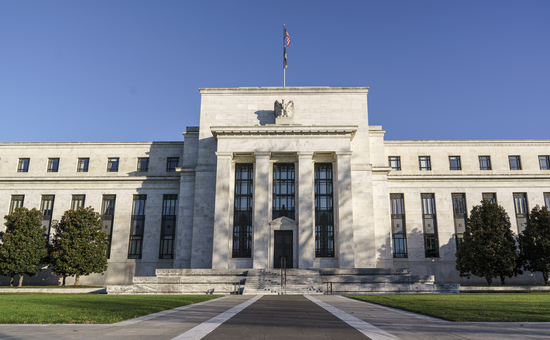
The Federal Reserve in Washington, D.C.
This is all part of the Trump administration’s comprehensive assault on financial regulations and the capacity of regulators.
The Federal Reserve, the Federal Deposit Insurance Corporation, and the Office of the Comptroller of the Currency have all seen drastic cuts to their regulatory staff, making it far more challenging to investigate or mitigate risk. Of course, for this administration, that’s a feature—not a bug.
The Consumer Financial Protection Bureau has also been gutted into near nothingness, so good luck with any regulations or investigations there. In fact, the CFPB seems to have only taken two actions this entire year.
This financial deregulation push dovetails terribly with the administration’s push to ensure that AI is basically unregulated altogether. But who doesn’t want a future with no regulations and the hallucination machine running amok through your dwindling bank accounts?