

xAI’s lawsuit accusing Apple and OpenAI of anticompetitive practices has less to do with Grok’s App Store visibility, and more to do with a fixation Musk has had since he first acquired Twitter. Here are the details.
A bit of context
Last July, xAI released Grok 4, rolled out the Grok Imagine tool, and introduced customizable companion chatbots. This helped the Grok app climb from 60th place in the App Store ranking to 29th, according to historical data from AppFigures.
A few days after that, xAI made Grok 4 available for free to all users worldwide, which helped it rise to 5th place. That frustrated Elon Musk, who accused Apple of intentionally sandbagging Grok’s visibility in the App Store. The claim was immediately refuted by X’s own users:
Apple is behaving in a manner that makes it impossible for any AI company besides OpenAI to reach #1 in the App Store, which is an unequivocal antitrust violation.
xAI will take immediate legal action.
— Elon Musk (@elonmusk) August 12, 2025
Following denials by both Apple and Sam Altman in the name of OpenAI, Musk actually filed the lawsuit, which is introduced as follows:
This is a tale of two monopolists joining forces to ensure their continued dominance in a world rapidly driven by the most powerful technology humanity has ever created: artificial intelligence (“AI”). Working in tandem, Defendants Apple and OpenAI have locked up markets to maintain their monopolies and prevent innovators like X and xAI from competing. Plaintiffs bring this suit to stop Defendants from perpetrating their anticompetitive scheme and to recover billions in damages.
In the complaint summary, xAI alleges the following:
[…] Apple forecloses rivals in the Apple App Store by limiting the discoverability of OpenAI’s rivals and promoting ChatGPT in Apple’s featured “Must-Have Apps” list, over which Apple exercises editorial control. Plaintiffs allege that Defendants’ conduct forecloses competition in the markets for smartphone devices and generative AI chatbots.
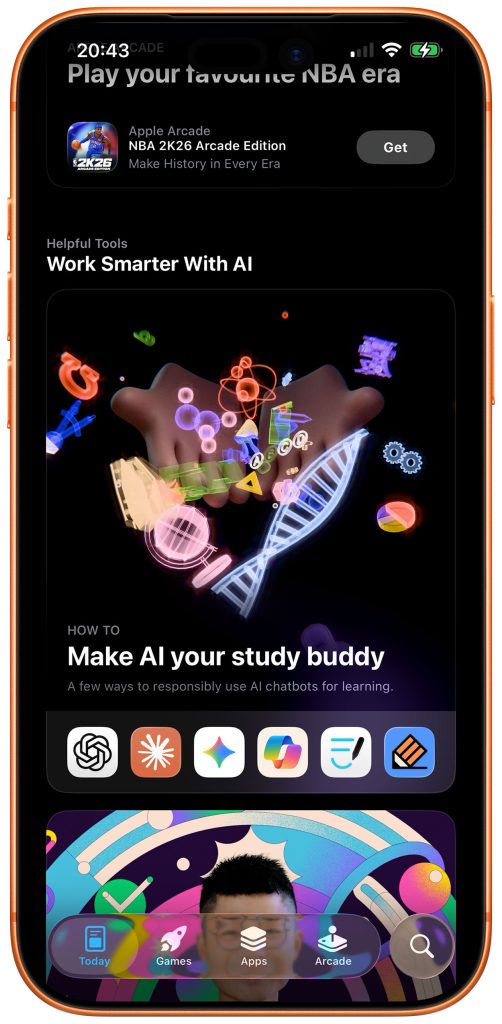
xAI goes on to argue that Apple missed the boat on AI, so “in a desperate bid to protect its smartphone monopoly, […] has joined forces with the company that most benefits from inhibiting competition and innovation in AI: OpenAI, a monopolist in the market for generative AI chatbots.”
They also claim that, in addition to “deprioritizing the apps of competing generative AI chatbots and super apps in its App Store rankings,”:
Apple and OpenAI’s exclusive arrangement has made ChatGPT the only generative AI chatbot integrated into the iPhone. This means that if iPhone users want to use a generative AI chatbot for key tasks on their devices, they have no choice but to use ChatGPT, even if they would prefer to use more innovative and imaginative products like xAI’s Grok.
What the filings show
Despite Apple and OpenAI’s attempts to get the lawsuit dismissed, US District Judge Mark Pittman recently decided that he wants to see more evidence before ruling one way or the other.
In the days that followed, xAI filed two interesting requests seeking documents from foreign companies: South Korea’s Kakao Corporation, developer of the KakaoTalk super app, and Alipay, which operates its own namesake super app.
In both letters, xAI alleges the following:
Super apps allow customers to switch away from the iPhone, and […] the exclusive agreement between Apple and OpenAI protects Apple’s monopoly and keeps iPhone prices high.
[…] Apple’s conduct illegally restrains competition from “super apps”: multi-functional platforms that offer many of the services of smartphones, such as social connectivity and messaging, financial services, e-commerce, and entertainment. [KakaoTalk/Alipay] is a super app that combines messaging, banking, payments, navigation, and ride-sharing functionality. Plaintiffs allege that super apps allow customers to switch away from the iPhone, and that the exclusive agreement between Apple and OpenAI protects Apple’s monopoly and keeps iPhone prices high.
Also, in both letters, xAI’s requests include:
Documents regarding the financial or strategic significance of selling or distributing Super Apps through [multiple app stores];
Documents sufficient to show how You earn revenue from [the app] in the U.S. and worldwide;
Documents regarding the ranking of [the app] on any Apple App Store List;
Documents regarding how Super Apps affect the ability of Smartphone customers to switch Smartphones;
Documents sufficient to show Your plans to incorporate and/or existing incorporation of Generative AI technology into [the app] and Your rationale for doing so;
Documents regarding how Apple’s policies, programs, product changes, or other restrictions have affected Your ability to distribute or improve [the app];
To be fair, super apps are mentioned nearly 80 times in xAI’s original filing, so this doesn’t mean that xAI is completely changing its strategy mid-course. And it is perfectly possible that xAI’s endgame is to have Grok as the centerpiece of X’s super app.
Still, with these two letters, and the high probability that xAI will also seek documents from other super apps mentioned in the lawsuit, including WeChat in China, Grab in Singapore, Gojek in Indonesia, Rakuten in Japan, TataNeu in India, and ZaloPay in Vietnam, it is increasingly apparent that in fact, this lawsuit has nearly nothing to do with App Store rankings per se.
Instead, it is about Musk using the legal system to blame Apple for X’s failure to deliver on the long-standing promise to become the West’s first super app, even though the Asian super apps he’s citing as evidence all achieved success operating under broadly similar App Store rules that supposedly hold X back.
Granted, success in Asia isn’t proof that Apple’s rules aren’t anticompetitive. But there are countless social, cultural, and economic factors that contributed to the rise of super apps in Asia, which simply don’t exist in Western markets, and have little connection to how the App Store currently operates or the partnerships Apple strikes.
The kitchen sink strategy
Leveraging Grok’s inability to reach the top of the App Store as a backdoor argument to compel Apple to reshape iOS around X’s super app ambitions feels as hand-wavy as Epic Games intentionally getting kicked out of the App Store to file a lawsuit that, to be fair, keeps on giving.
Whether xAI’s fishing expedition will yield the same results remains to be seen.
And to be clear: Are xAI’s anticompetitive claims worth examining? Sure. You may notice that during this entire article, I didn’t say they didn’t have merit. That’s up to the courts to decide. But if you’re going to sue someone, at least be honest about why.
What’s your take on xAI’s claims? Let us know in the comments.
Accessory deals on Amazon

FTC: We use income earning auto affiliate links. More.