

C.A.R.E.’s sensory room in Pueblo for intellectually disabled adults
C.A.R.E. Inc. has opened sensory room for intellectually disabled adults. Take a look inside the facility.
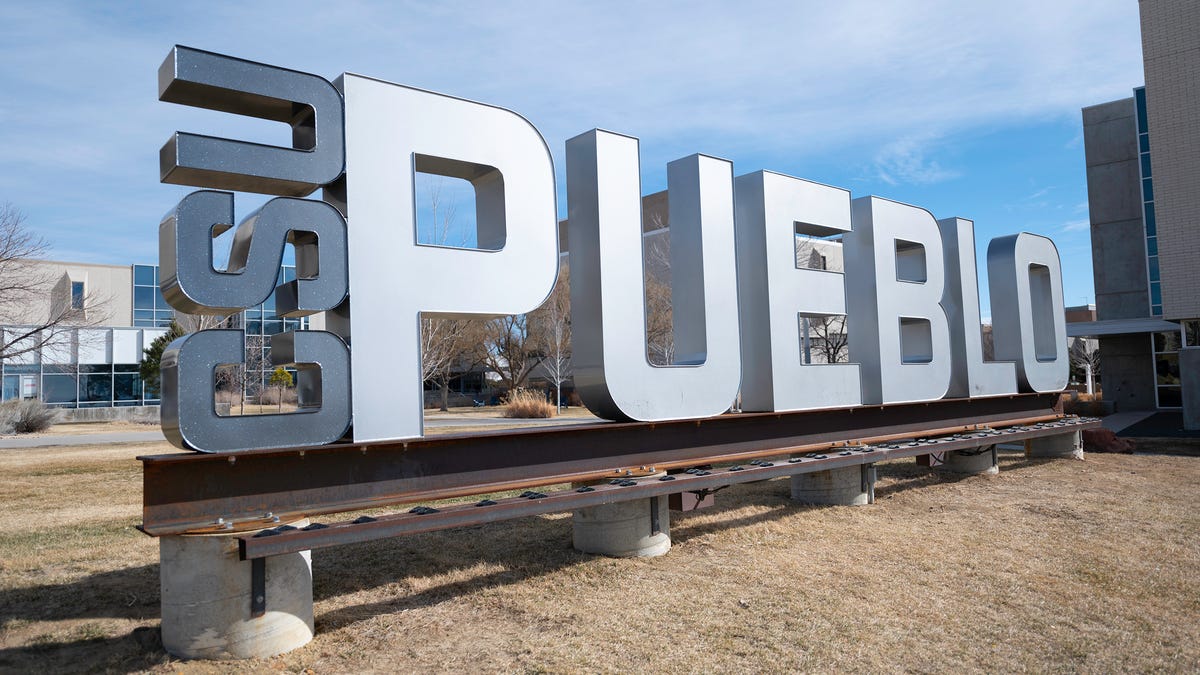
It won’t be long before Colorado State University Pueblo students are not able to major or minor in physics.
The Chieftain confirmed with CSU Pueblo Provost Gail Mackin that the physics major and minor programs will begin a hiatus in fall 2026. The decision will not affect current physics majors nor will it impact physics-related general education courses required for other degree programs like chemistry, engineering and health sciences. CSU Pueblo also continues to offer related degree programs like mathematics.
“As someone who studied physics myself, I understand what students and faculty are losing,” Mackin said in a written statement shared with the Chieftain. “Physics teaches problem-solving and analytical thinking across fields. Our responsibility is to direct funding where it serves the most students effectively.”
Regional enrollment trends were a driving force behind the CSU Pueblo’s decision to place physics on hiatus. Mackin said in her statement that 2022 was the last time CSU Pueblo graduated a physics major and that the university’s resources are being “redirected to programs where student demand and regional job markets show the strongest growth.”
Daviel Leyva Cruz is a current adjunct professor and a former lecturer in CSU Pueblo’s Department of Mathematics and Physics. Leyva Cruz was surprised by the decision to put physics programs on hiatus and called it a “step back for Pueblo” in an interview with the Chieftain.
“I truly hope that the community cares enough about the future of Pueblo to be able to voice their opposition to this in some way,” Leyva Cruz said.
When asked about the importance of having a physics program, Leyva Cruz said that the study of physics tends to pair well with other majors, students tend to not regret studying physics and the discipline is a common offering at universities across the nation.
“If we look at many institutions across the country, almost all of them have a physics program,” Leyva Cruz said. “It is kind of hard to find a university without a physics program.”
Over 13,300 physics degrees were awarded in the United States in 2023, according to Data USA. While this was about a 1.05% decrease from 2022, the number of physics graduates in the workforce increased about 2.1% over the same period of time. Average wages also were trending upward 3%, according to Data USA. Among roughly 1.2 million physics degree recipients in the workforce, the average salary in 2023 was $129,236.
Pueblo Chieftain reporter James Bartolo can be reached at JBartolo@gannett.com. Support local news; subscribe to the Pueblo Chieftain at subscribe.chieftain.com.