
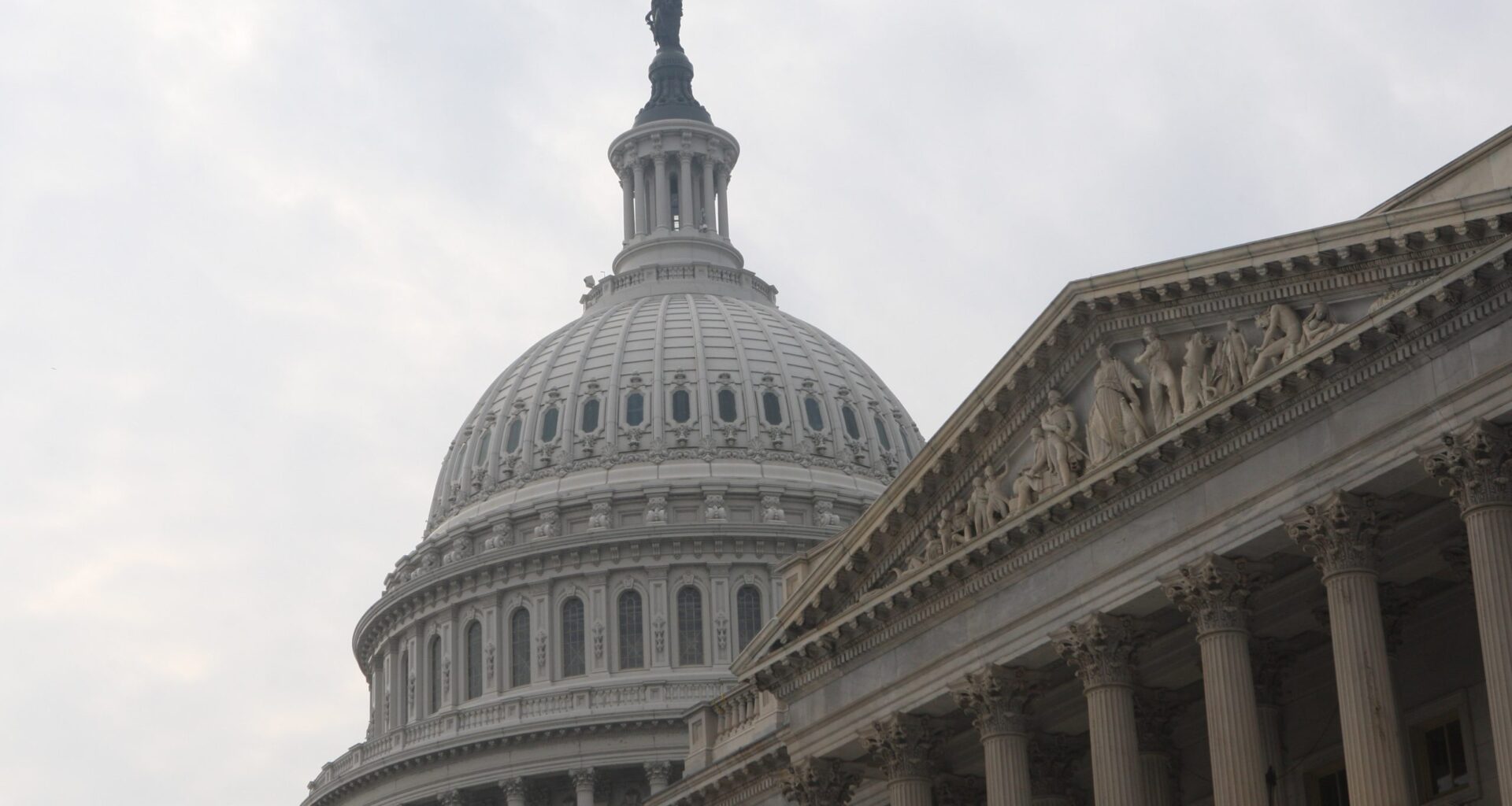
More than 200,000 Coloradans on Thursday moved a step closer to seeing their health insurance costs skyrocket for next year, after the U.S. Senate failed to agree on a deal to extend expiring subsidies that make the coverage more affordable.
The Senate deadlocked on two proposals — one backed by Democrats that would have extended the subsidies for three years, the other backed by Republicans that would not have extended the subsidies but instead would have created government-funded health savings accounts. Both proposals received 51 votes, short of the 60 needed to advance the plans.
Colorado’s senators, Michael Bennet and John Hickenlooper, who are both Democrats, voted in favor of Democrats’ plan and against Republicans’ plan.
The deadlock means the subsidies — which go to people who buy health insurance solo, without help from an employer — will almost certainly expire at the end of the year. Folks have until Monday to buy plans that kick in Jan. 1. Open enrollment for 2026 plans continues through Jan. 15.
225,000 impacted
The expiration of the subsidies will impact roughly 225,000 people in Colorado.
The state Division of Insurance earlier this year estimated that as many as 75,000 may drop coverage due to rising costs related to the subsidy expiration, but so far enrollment on the state’s health insurance exchange is down about 5% from the same period in 2024. A record 282,000 people enrolled through the exchange last year.
The subsidies — also known as enhanced premium tax credits — were first put in place during the COVID pandemic. They work in conjunction with the original Affordable Care Act subsidies to lower what people pay in premiums, the monthly costs that people pay just to purchase an insurance plan.
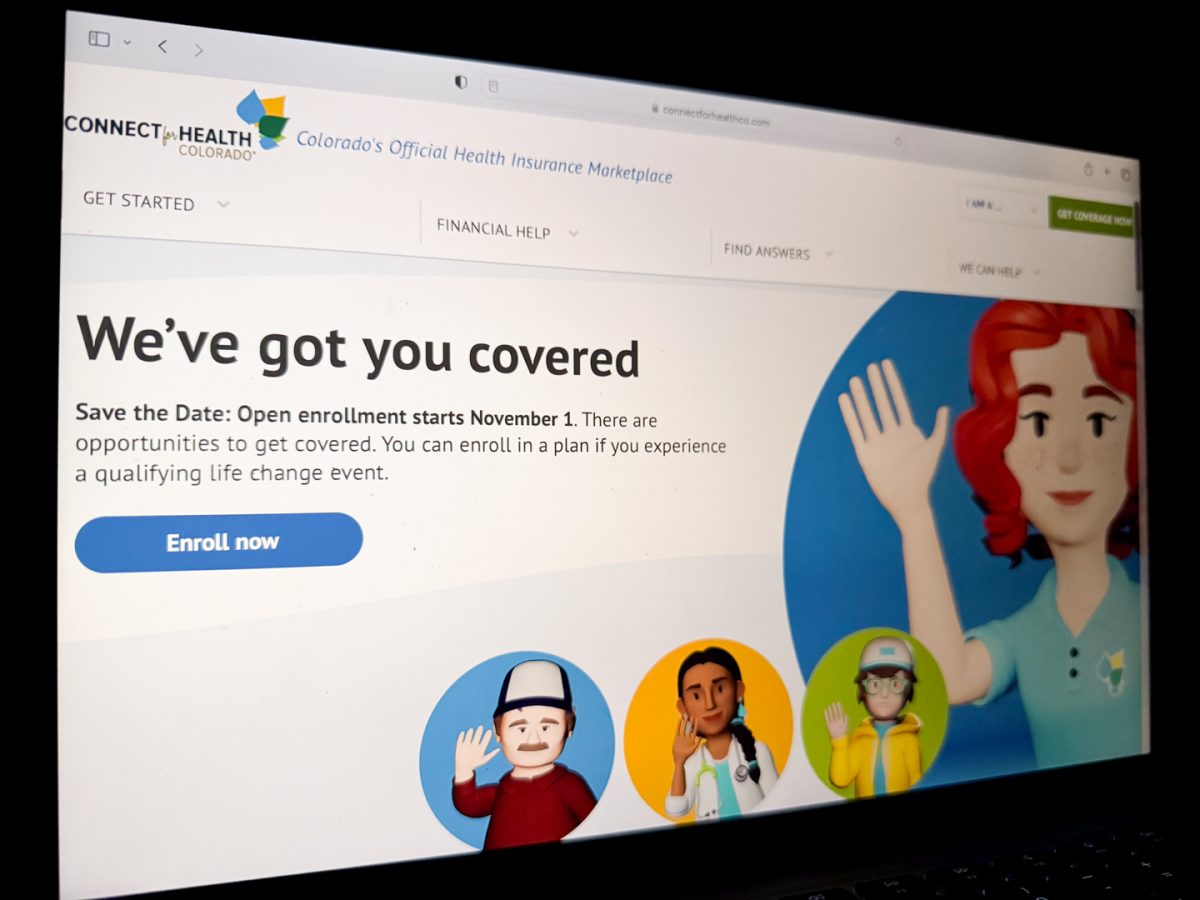 The homepage of Connect for Health Colorado, the state’s insurance exchange, on Oct. 26, 2025. (John Ingold, The Colorado Sun)
Over time, as inflation pushed health care costs higher and higher, the enhanced subsidies helped keep coverage within reach.
People who don’t receive any subsidies will still see their prices for 2026 increase significantly — about 23% on average. Others who are eligible to continue receiving the original Affordable Care Act subsidies will see bigger increases. Those who were only receiving the enhanced subsidies will see the biggest increase of all because they will now have to shoulder the full price of their coverage.
The state estimates that, on average, people shopping on their own for insurance will see a 101% increase in what they pay just to buy insurance. But, because of the way the subsidies are calculated combined with high underlying costs for insurance, people in rural Colorado will see even bigger average increases.
Bennet, Hickenlooper blast vote
Both of Colorado’s U.S. senators criticized Republicans for not supporting a subsidy extension.
“What most Coloradans want, they’re trying to find a way to lower the costs, and yet this is just the opposite,” Hickenlooper said in an interview Wednesday, looking ahead to the vote. “This is going to dramatically increase the cost for a large percentage of Coloradans.”
 Democratic U.S. Sen. John Hickenlooper speaks at City Park in Denver, Tuesday, Aug. 9, 2022, at an event to draw attention to passage in Congress of the Inflation Reduction Act. (Hart Van Denburg, CPR News via the Colorado Capitol News Alliance)
Congress could still extend the subsidies for 2026 — in fact, it could even do so after the start of the new year. But Bennet said Republicans have not presented a united plan, and he criticized President Donald Trump and Republican leaders for not addressing the issue sooner.
“This is insane,” Bennet said Thursday on a call with reporters. “People were supposed to be making their decisions a month ago about what insurance they were going to buy. So every day that goes by, it just becomes harder and harder and harder to address.”
In remarks prior to Thursday’s vote, Senate Majority Leader John Thune, R-South Dakota, criticized Democrats for wanting to extend the subsidies without tying it to deeper reforms to the health care system.
“I hope that after today, they’ll feel like they’ve checked the messaging box and will get serious about actually doing something about the spiraling health care costs under Obamacare,” Thune said.
Hickenlooper and Bennet bristled at that idea — both said they think the current system is broken and needs to be fixed, with each saying they believe health care is a right and the United States should have a system that ensures universal coverage.
Bennet accused Trump and other Republicans of indifference to the hardship that not extending the subsidies will cause.
“They think they’re going to get away with blaming other people for the problems that he (Trump) is now creating,” Bennet said.
Hickenlooper said the subsidy expiration will also impact small businesses. The availability of the subsidies caused many small employers to forgo offering insurance and to instead allow their workers to shop for coverage on the open market, where they could often find a better deal. Roughly half of the people shopping for coverage on their own either work for a small business or are unemployed.
“It creates a level of anxiety for your workers,” Hickenlooper said of the rising insurance costs. “How your employees feel about their lives has a lot to do with your success.”
Was the shutdown worth it?
The expiring subsidies were at the center of the fight that shut down the federal government for a record 43 days in October and November.
Democrats in the Senate had refused to support a measure to keep the government funded unless it contained a provision to extend the enhanced insurance subsidies. The shutdown ended when a handful of Democrats, not including Bennet or Hickenlooper, agreed to a deal to reopen the government in conjunction with a promise for a vote on subsidy extension — the vote that failed Thursday.
Despite that meek ending, Hickenlooper said the shutdown fight was worth it, even though he also said, “I hate shutdowns, and I am distressed that it was necessary.”
He cited the increased awareness around the issue. A poll released last week found that more than 80% of people who buy health insurance on their own wanted to see the subsidies extended, and this included more than 70% of conservatives who identified as MAGA supporters.
If the subsidies do expire, 76% of people buying coverage on their own said they would blame Trump or Congressional Republicans — though 58% of Republicans in that group said they would blame Democrats.
“That kind of awareness is what moves a democracy to make good decisions that benefit everybody,” Hickenlooper said.
He also pointed to new discussions among Republicans about reforms to the health care system. This includes the idea for federally funded health savings accounts, as well as other reforms.
“None of that would have been happening if we hadn’t locked down and said we’re not going to vote for this, we’re willing to let the government shut down,” Hickenlooper said. “None of that would have ever happened.”
Type of Story: News
Based on facts, either observed and verified directly by the reporter, or reported and verified from knowledgeable sources.