
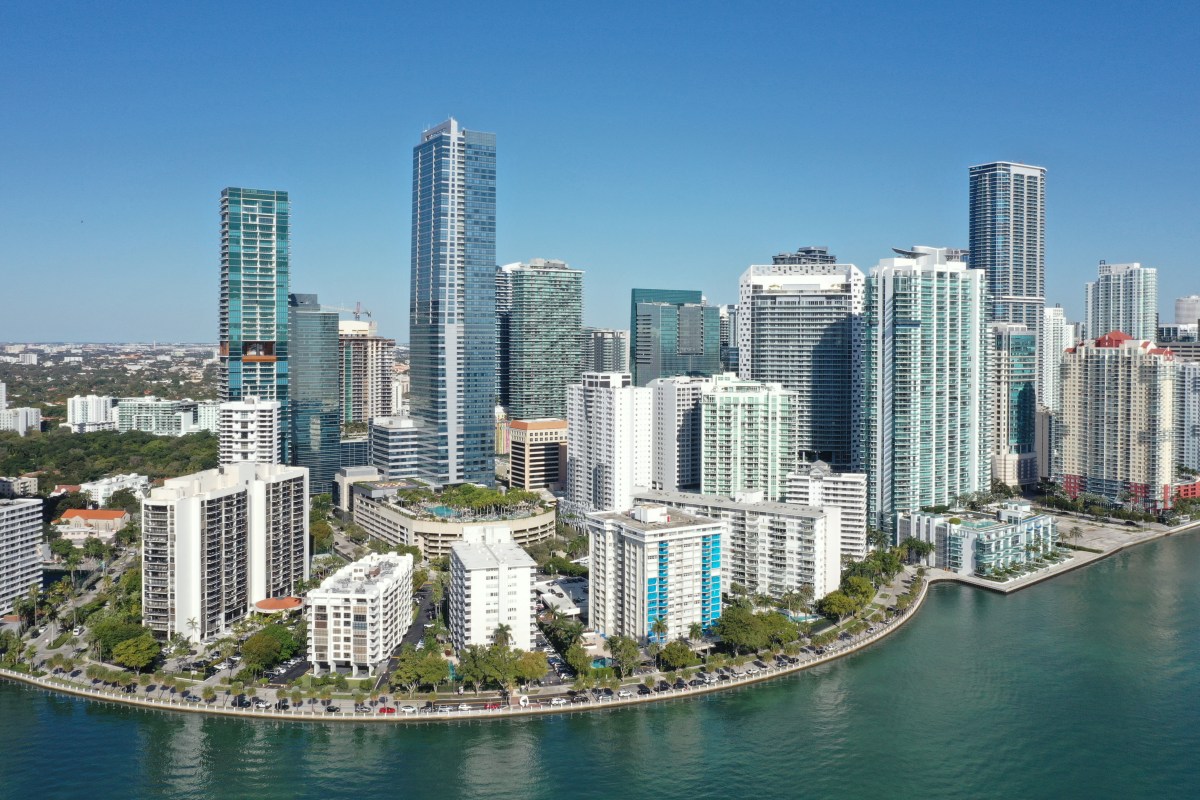
Plans to build the first supertall skyscrapers in Florida’s second-biggest city have been revealed.
Why It Matters
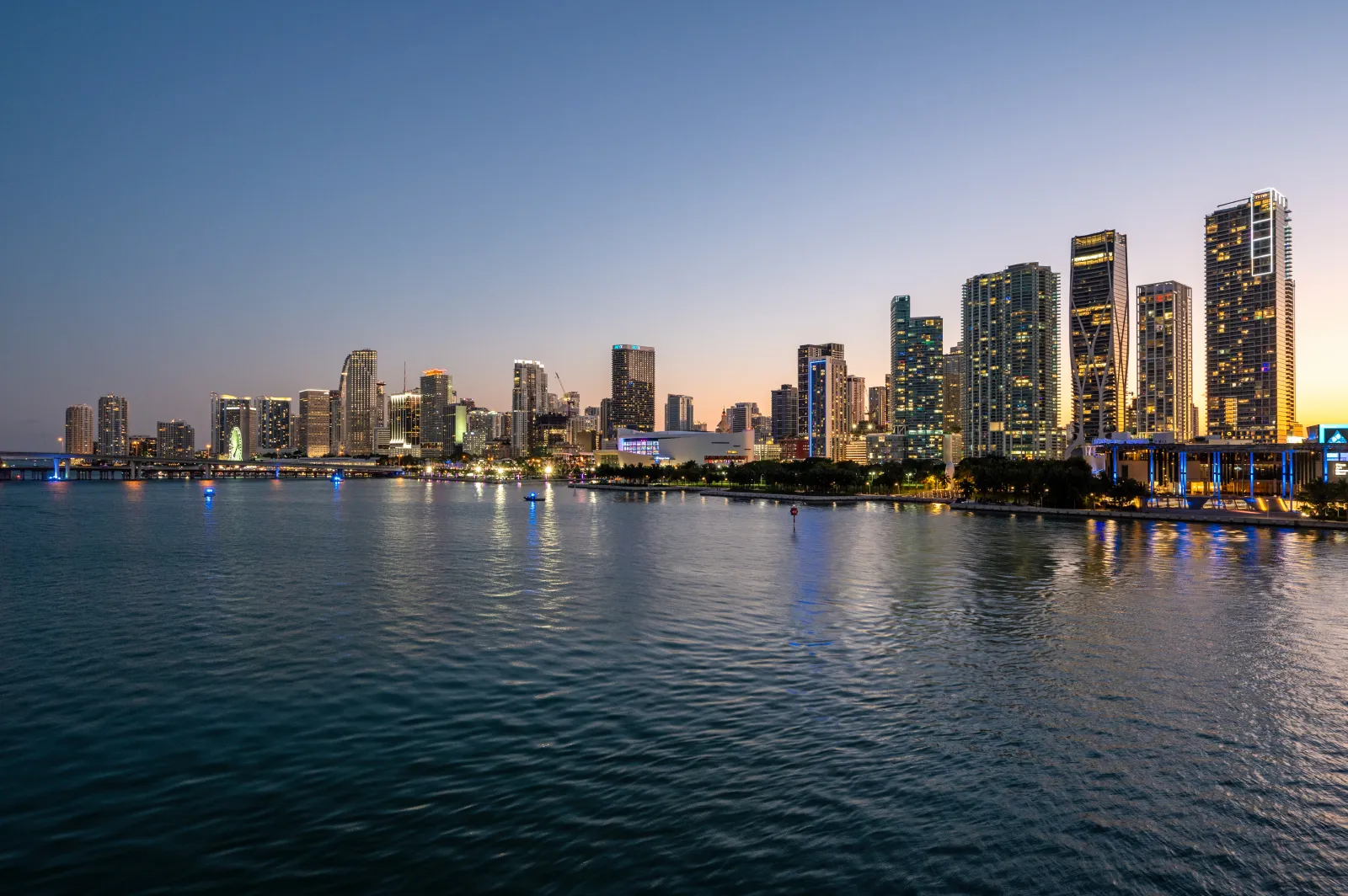
Miami is experiencing a transformation driven by an influx of wealthy residents, shifting economic interests, and relaxed zoning regulations. For the first time, the city’s skyline could rival that of New York City and Chicago, long considered the skyscraper capitals of the United States.
The rapid pace and scale of development reflect wider trends in U.S. urbanization, luxury real estate migration, and innovation in skyscraper engineering.
 What To Know
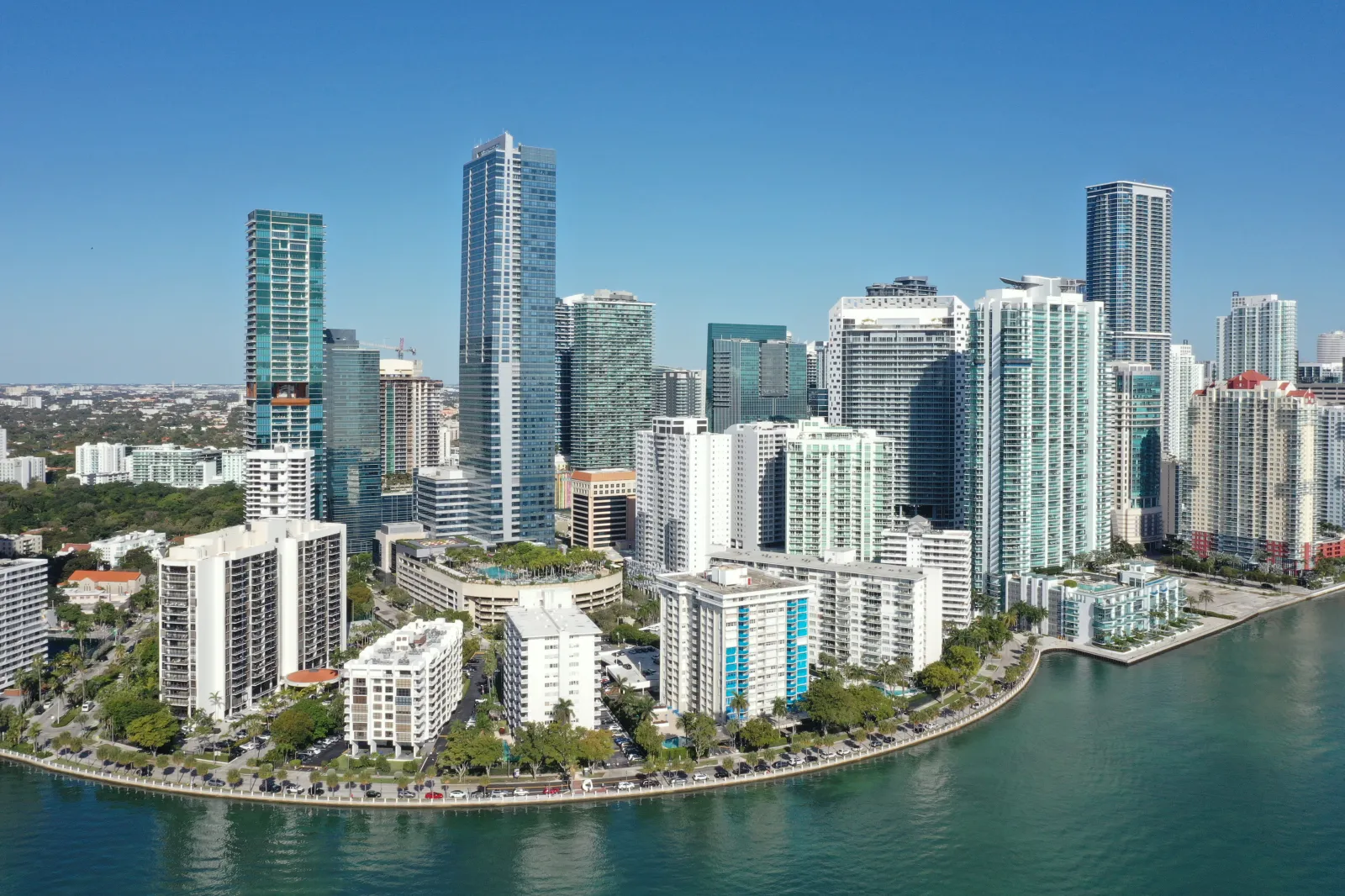
More than half a dozen supertall towers—defined as buildings rising above 984 feet—are proposed or under construction in Miami, a South Florida city now positioned to develop the tallest U.S. skyline south of New York City.
Several projects, including the 1,049-foot-tall Waldorf Astoria Hotel & Residences Miami and ambitious proposals such as a substantial redevelopment on Biscayne Boulevard, are designed to break state records and establish Miami as the premier high-rise destination in the Southeast.




The already-underway 100-story Waldorf Astoria Hotel & Residences Miami will become Florida’s first supertall and the tallest residential building on the East Coast outside New York upon its expected completion in 2028.
A proposed 955-foot tower located at 130 Biscayne Boulevard, 146 Biscayne Boulevard, and 141 NE 3rd Ave, designed by Foster + Partners in collaboration with Miami’s Revuelta Architecture, aims to redevelop three existing mid-rises.
The structure would include 414 condominiums, 144 hotel rooms, three levels of amenities (including a sky bar and pool), and retail space.
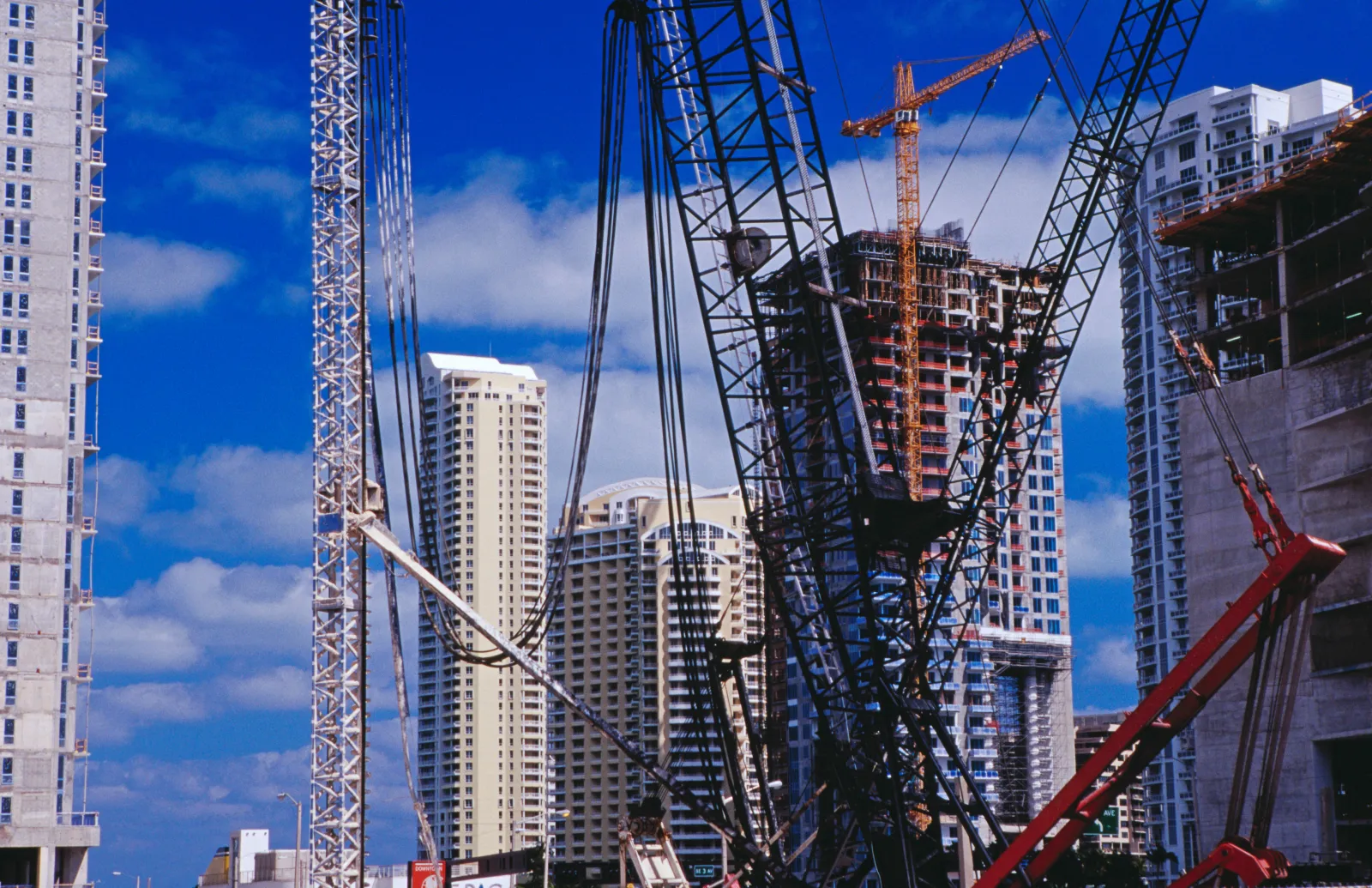

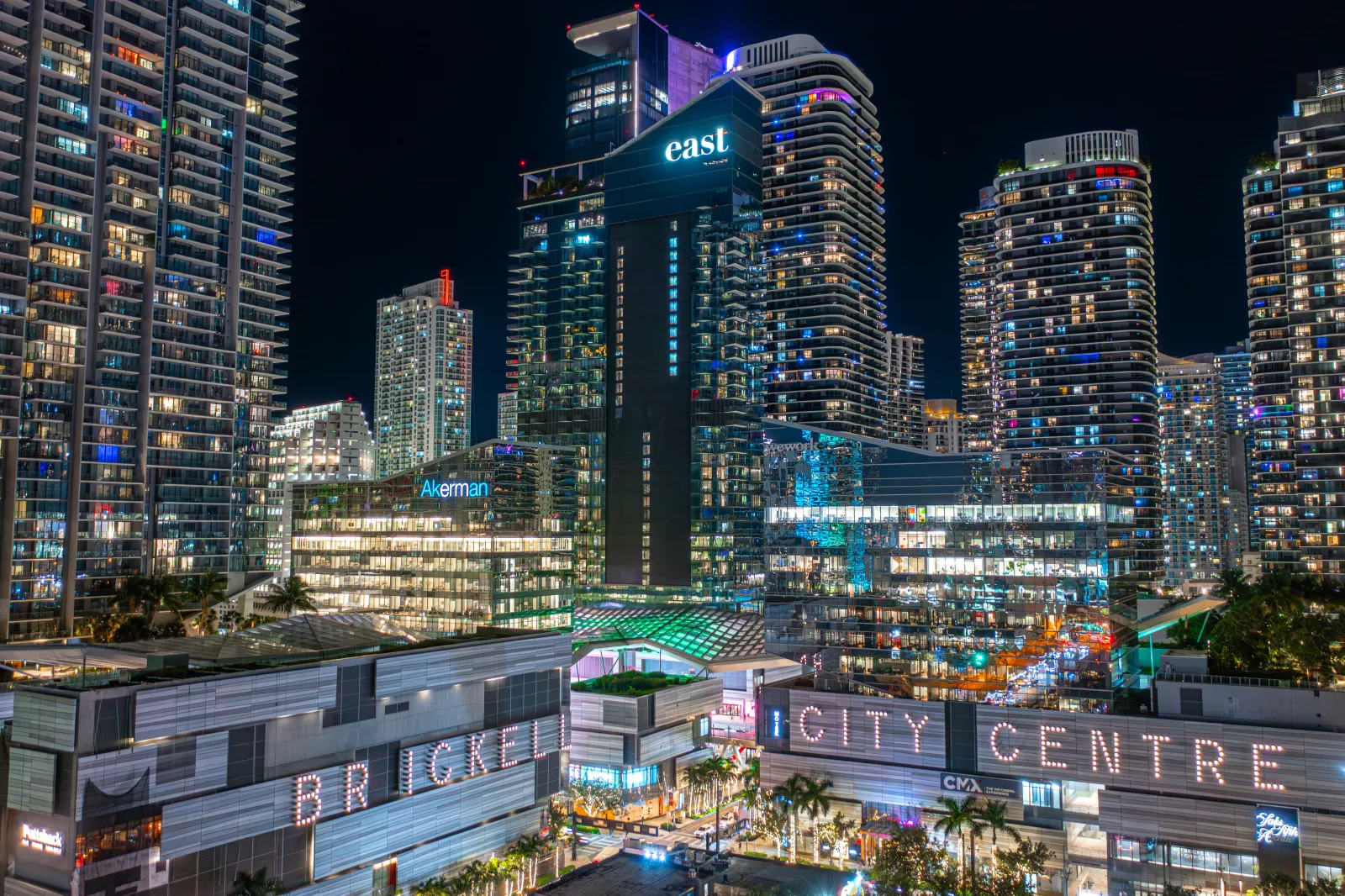
If approved, it will be one of the city’s tallest buildings and join ongoing projects such as the Okan Tower (908 feet), One Brickell City Centre (1,000 feet), and the 888 Brickell by Dolce & Gabbana (1,049 feet), all contributing to the vertical surge.
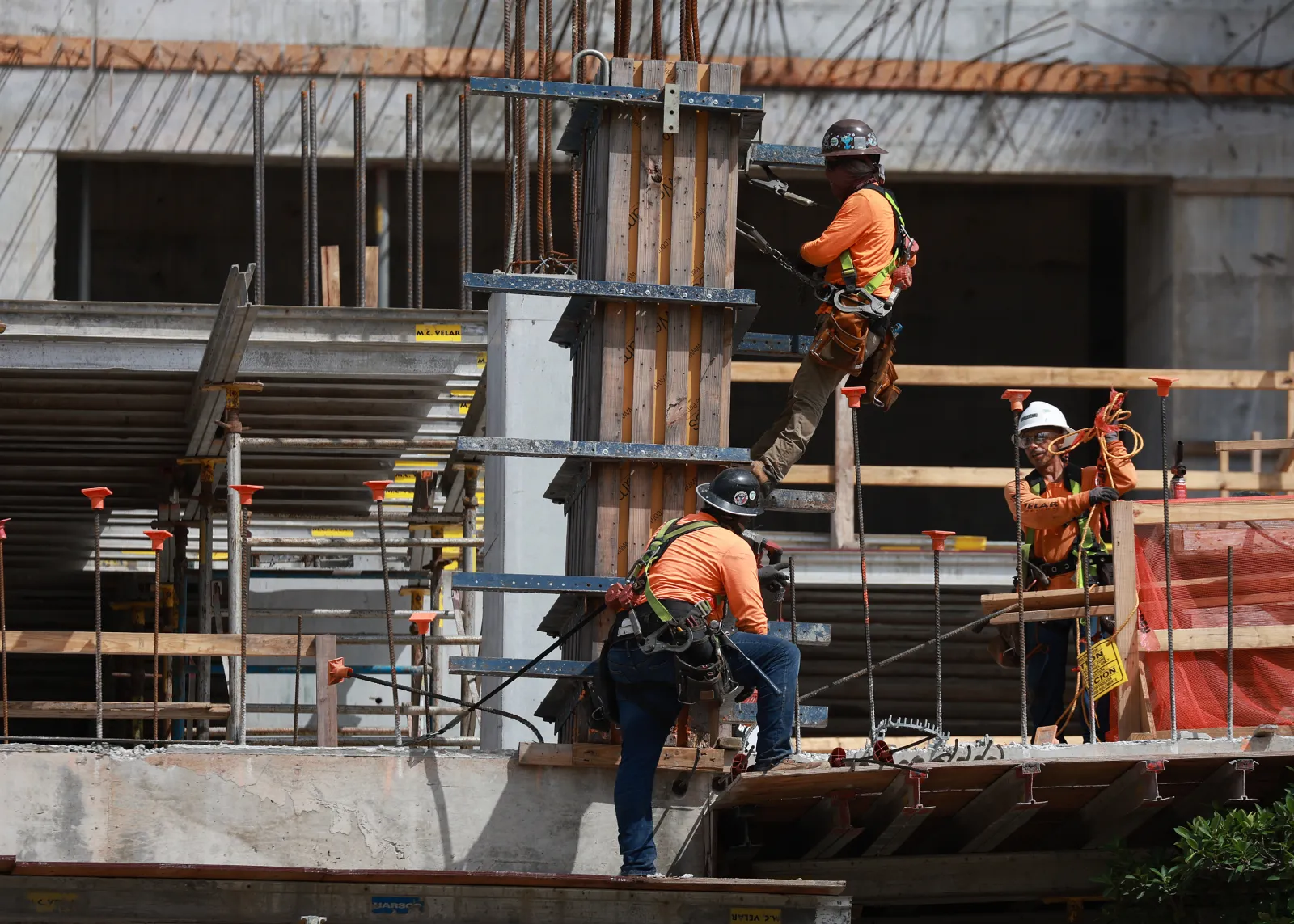
The surge of high-rise construction is fueled by demand from new residents and investors, particularly from New York and abroad.
Relaxed zoning in Downtown and Brickell allows for higher density and expedited approval processes for developers willing to build near transit corridors like the Metromover.
Building these supertalls comes with unique geographical and regulatory challenges, such as strict Federal Aviation Administration height limits, Miami’s high water table, limestone foundations requiring sophisticated engineering, and the necessity to meet some of the most robust hurricane building codes in the nation.
 What People Are Saying
Dan Kaplan, managing principal at PMG, which is building the Waldorf Astoria, told property data firm CoStar: “Miami is the center of the world right now, with a real estate market that has never been hotter.”
Juan Arias, CoStar’s director of market analytics for South Florida, said: “Many of these towers are now selling condos at price points of over $4 million. The type of capital and the experience of developers involved are different [and] Miami has come into the crosshairs of investors from New York and other major cities, which already have these types of towers.”
Outgoing Republican Miami Mayor Francis Suarez told the Sun Sentinel: “That 1,049 is the limit. All the buildings in Miami are limited by the FAA height restrictions so planes can land safely.”
He added: “We’re not controversial when it comes to building height. It’s easy to build tall buildings here without having to jump through a bunch of hoops.”
Ana Povarchik, sales executive with Fortune Development Sales for Okan Tower, told the Sun Sentinel: “It’s going to transform the skyline of Miami. It’s going to be iconic and recognizable. There is a fascination with tall skyscrapers. Everyone wants to live on the top of the world. So the taller the better.”
What Happens Next
As the Waldorf Astoria approaches completion, additional projects—from One Brickell City Centre to the 955-foot Foster + Partners tower at 130 Biscayne Boulevard—are expected to further reshape Miami’s skyline.