
For millions who rely on the Affordable Care Act for health insurance, time to enroll is about to run out. Pandemic-era tax credits that help keep premiums low are set to expire at the end of this year. Congress is deadlocked on a solution and many are left questioning whether they can afford marketplace insurance at all.According to independent health policy research organization KFF, most enrollees will see their premiums more than double on average if the enhanced tax credits expire.So, should you sign up if you’re faced with a higher premium?Health experts suggested, you should still consider signing up, even if you can’t afford it.The deadline to enroll in an ACA plan for Jan. 1 is Monday. The last open enrollment period ends Jan. 15 for coverage beginning in February. If you’re concerned about paying your premium, health experts recommended consulting a healthcare navigator or agent to help select the best plan for you. If cost is a barrier, they may suggest a plan with a cheaper premium, which could come with a higher deductible and other trade-offs. For example, you may be advised to opt for a Bronze plan as opposed to a Gold or Silver plan.”The average deductible for a Bronze plan in 2026 is $7,000 so you just have to make sure you have enough on hand to be able to pay that without risking falling into medical debt,” Matthew McGough, a KFF analyst, said.If affordability remains an issue, experts suggested checking eligibility for Medicaid or a catastrophic health insurance plan. And, that you should only cancel your coverage as a last resort.”You can drop marketplace coverage at any time,” Karen Davenport, a senior research fellow at Georgetown University, said. “I would worry about being ready to re-enroll and to consider it carefully, but you can drop at any time.”You wouldn’t be alone. A recent KFF survey found that one in four people say they would “vey likely” drop coverage if premiums doubled next year.This week in the Senate, Democrats proposed legislation to extend the tax subsidies, while Republicans suggested scrapping them and redirecting the funds into health savings accounts.Both proposals failed Thursday. Now, some House lawmakers are pushing a bill that would extend subsidies for another two years with income caps and more vetting requirements. Another proposal would extend the subsidies for a year. Lawmakers could force a vote on the proposals as soon as next next week.Allowing the tax subsidies to expire could have impacts to healthcare system as a whole. Health experts warn that if more people, especially healthy individuals, leave the marketplace, insurers could raise premiums to cover costs. If more uninsured people end up in emergency rooms and are unable to pay, hospitals may also pass those costs onto others, potentially leading to higher prices for everyone, even those insured outside the ACA.Watch the latest coverage on the Affordable Care Act:
WASHINGTON —
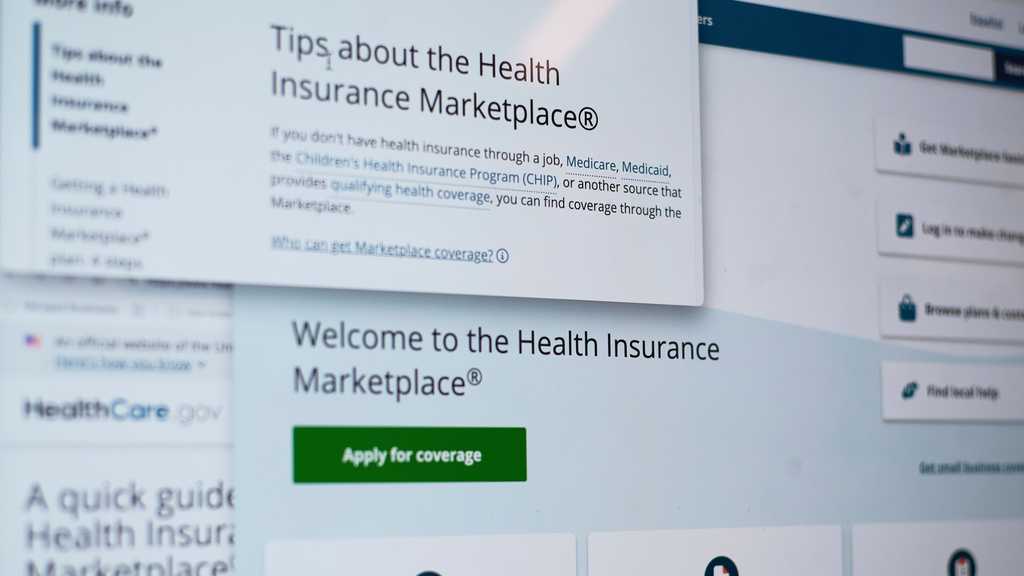
For millions who rely on the Affordable Care Act for health insurance, time to enroll is about to run out. Pandemic-era tax credits that help keep premiums low are set to expire at the end of this year. Congress is deadlocked on a solution and many are left questioning whether they can afford marketplace insurance at all.
According to independent health policy research organization KFF, most enrollees will see their premiums more than double on average if the enhanced tax credits expire.
So, should you sign up if you’re faced with a higher premium?
Health experts suggested, you should still consider signing up, even if you can’t afford it.
The deadline to enroll in an ACA plan for Jan. 1 is Monday. The last open enrollment period ends Jan. 15 for coverage beginning in February.
If you’re concerned about paying your premium, health experts recommended consulting a healthcare navigator or agent to help select the best plan for you. If cost is a barrier, they may suggest a plan with a cheaper premium, which could come with a higher deductible and other trade-offs. For example, you may be advised to opt for a Bronze plan as opposed to a Gold or Silver plan.
“The average deductible for a Bronze plan in 2026 is $7,000 so you just have to make sure you have enough on hand to be able to pay that without risking falling into medical debt,” Matthew McGough, a KFF analyst, said.
If affordability remains an issue, experts suggested checking eligibility for Medicaid or a catastrophic health insurance plan. And, that you should only cancel your coverage as a last resort.
“You can drop marketplace coverage at any time,” Karen Davenport, a senior research fellow at Georgetown University, said. “I would worry about being ready to re-enroll and to consider it carefully, but you can drop at any time.”
You wouldn’t be alone. A recent KFF survey found that one in four people say they would “vey likely” drop coverage if premiums doubled next year.
This week in the Senate, Democrats proposed legislation to extend the tax subsidies, while Republicans suggested scrapping them and redirecting the funds into health savings accounts.
Both proposals failed Thursday. Now, some House lawmakers are pushing a bill that would extend subsidies for another two years with income caps and more vetting requirements. Another proposal would extend the subsidies for a year. Lawmakers could force a vote on the proposals as soon as next next week.
Allowing the tax subsidies to expire could have impacts to healthcare system as a whole. Health experts warn that if more people, especially healthy individuals, leave the marketplace, insurers could raise premiums to cover costs.
If more uninsured people end up in emergency rooms and are unable to pay, hospitals may also pass those costs onto others, potentially leading to higher prices for everyone, even those insured outside the ACA.
Watch the latest coverage on the Affordable Care Act: