
Let’s get the bad news out of the way: it’s officially virus season, as emergency room doctors report seeing a concerning spike in certain illnesses as of late. But wait, there is some good news, too: the combination of frequent hand washing and sanitizing surfaces can keep your home from becoming a haven for germs. According to Cleveland Clinic experts, pay attention to two particular indoor spots especially makes a difference this time of year.
“RSV, also known as respiratory syncytial virus, is a respiratory virus that is everywhere in the community. The reason it gets a bad rep is because it’s very effective at infecting the lower respiratory tract, so things like the lungs and the bronchioles. And that can get little babies, less than two in trouble if they get infected,” said Kristin Barrett, MD, a pediatrician at Cleveland Clinic Children’s in Ohio.
The Clinic describes RSV as “highly contagious,” noting that it typically spreads either through direct contact with a sick individual, or through the spread of respiratory droplets when someone coughs or sneezes. Besides those sickness-spreading symptoms, many people with RSV also experience wheezing, fever, and in severe cases, difficulty breathing.
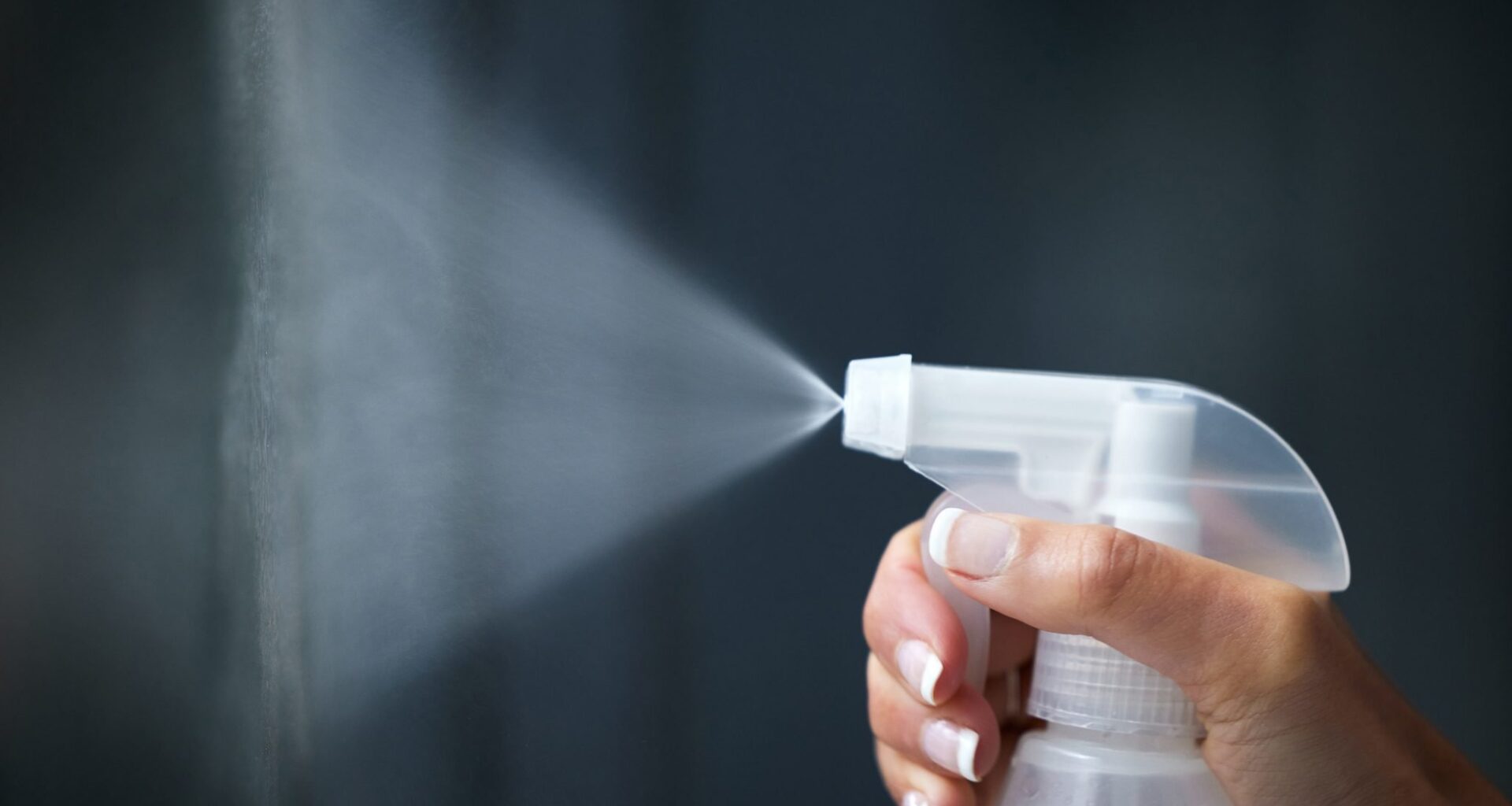
An all-purpose surface disinfectant can kill germs on contact, making high-touch surfaces less hospitable to germs. In particular, Dr. Barrett says you should be sure to wipe down light switches and doorknobs, since these two items tend to get the most frequent contact from the widest range of people in the home.
While hand washing, sanitizing, and a bit of social distancing can go a long way in preventing the spread of RSV and other illnesses, Dr. Barrett also recommends being proactive by staying up to date with immunizations.
According to the U.S. Centers for Disease Control and Prevention (CDC), RSV vaccines are recommended for all adults ages 75 and older, as well as adults between the ages of 50 and 74 who are at increased risk for severe RSV. The health authority adds that there are two immunizations which can protect infants from severe RSV: “a maternal RSV vaccine (Pfizer’s Abrysvo) given during pregnancy or an infant RSV antibody given to infants after birth.”
When administered to babies or children, “it is a one-time injection of RSV antibodies,” Dr. Barrett explains. “The antibodies last for about six months, so they protect babies through that most vulnerable time of the year. RSV is usually from October through March,” she notes.
The pediatrician adds that immunization is very effective in infants, resulting in a “70% risk reduction for needing to seek medical intervention when a baby is infected with RSV.” In most cases, a vaccinated child who contracts RSV can usually recover at home with supportive care, she adds. If symptoms persist or worsen, seek medical care immediately.
For daily wellness updates, subscribe to The Healthy by Reader’s Digest newsletter and follow The Healthy on Facebook and Instagram. Keep reading: