
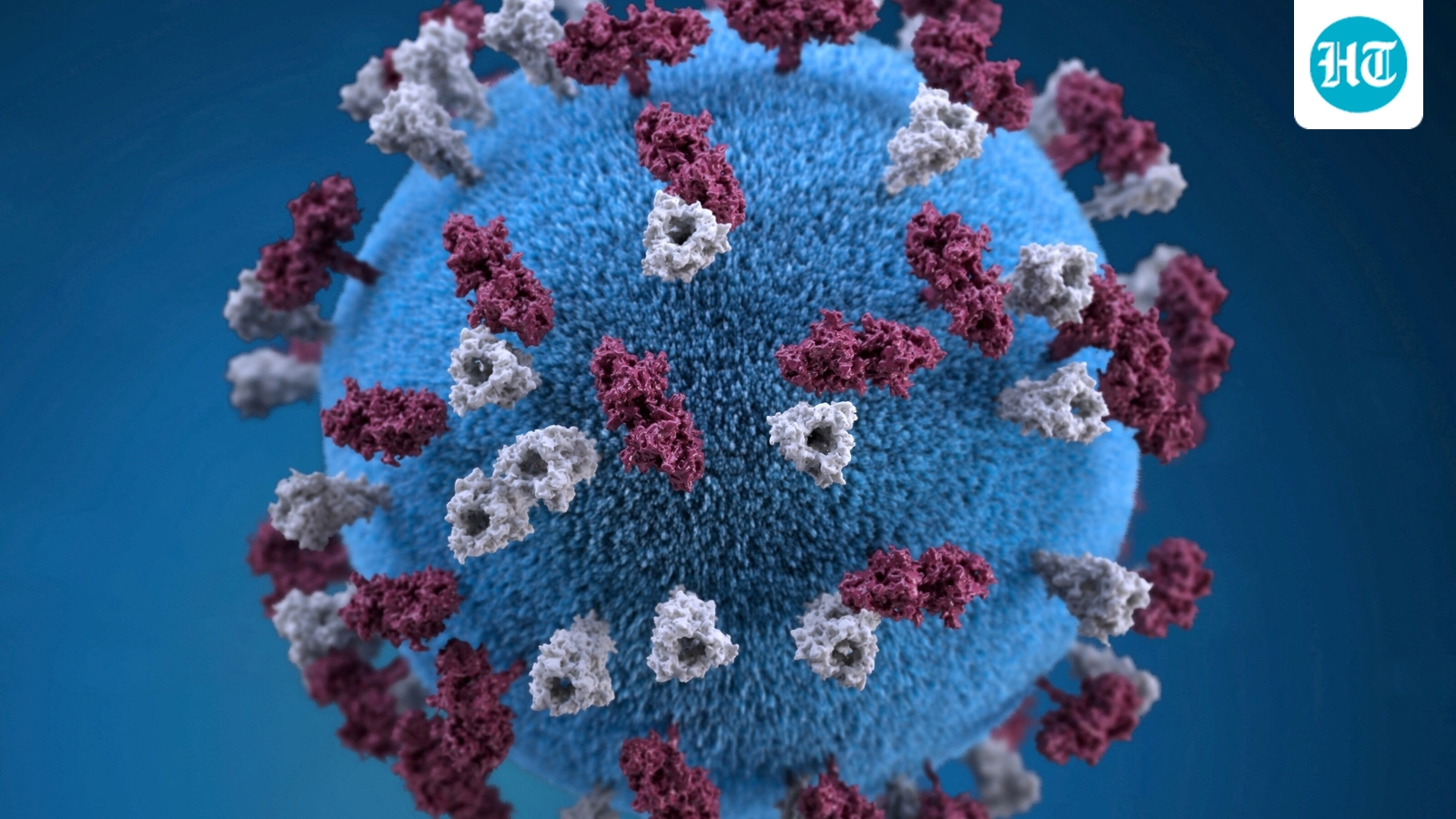
Measles, once considered nearly eradicated in many parts of the world due to widespread vaccination, continues to pose a serious threat when immunisation coverage drops. Highly contagious and capable of causing severe complications such as pneumonia, ear infections, and diarrhoea, the virus can spread rapidly in communities where people are unvaccinated or under-vaccinated.
 Measles outbreaks are rising in South Carolina, with 126 confirmed cases. (REUTERS)
In the United States, South Carolina is now facing a widening outbreak of measles. State health officials confirmed 15 new cases on Friday since Tuesday, bringing the total in the northwest part of the state to 126. To contain the virus, at least 303 people who were exposed have been quarantined, while 13 infected patients remain in isolation, according to the state health department. (Also read: Research scientist shares the ‘only weight-loss method’ that actually works: It’s not diet or workout )
Measles: risks and prevention
In a 2022 interview with HT Lifestyle, Dr Kirti Sabnis, Infectious Disease Specialist at Fortis Hospital in Kalyan and Mulund, and Dr Asmita Mahajan, Consultant Neonatologist and Paediatrician at SL Raheja Hospital in Mahim, explained the risks of measles. “Measles is a highly contagious viral infection that can last up to ten days. During this period, the patient may develop complications such as ear infections, diarrhoea, pneumonia, fever, and rashes,” they said.
Both doctors emphasised the importance of vaccination. “The MR (Measles-Rubella) vaccine, offered free under the government’s Universal Immunisation Program, is highly effective. Children who are vaccinated are unlikely to contract the disease. To eliminate measles in India, a significant majority of children across all regions must be immunised,” they added.
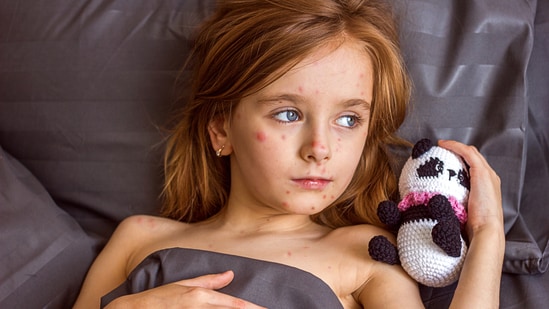 Measles cases are on rise in United States.(Adobe Stock) How measles spreads: Know symptoms
“Measles originates in the nose and throat of infected individuals and is highly infectious. The virus spreads through droplets released into the air when an infected person coughs, sneezes, or talks. These droplets can linger in the air for up to an hour, making isolation of patients critical,” the doctors explained.
“Measles often starts like the flu, with high fever, fatigue, severe cough, red or bloodshot eyes, and a runny nose. Red rashes usually begin on the head and spread to other parts of the body. Other symptoms may include sore throat, white spots in the mouth, muscle pain, and sensitivity to light,” said Dr Sabnis and Dr Mahajan.
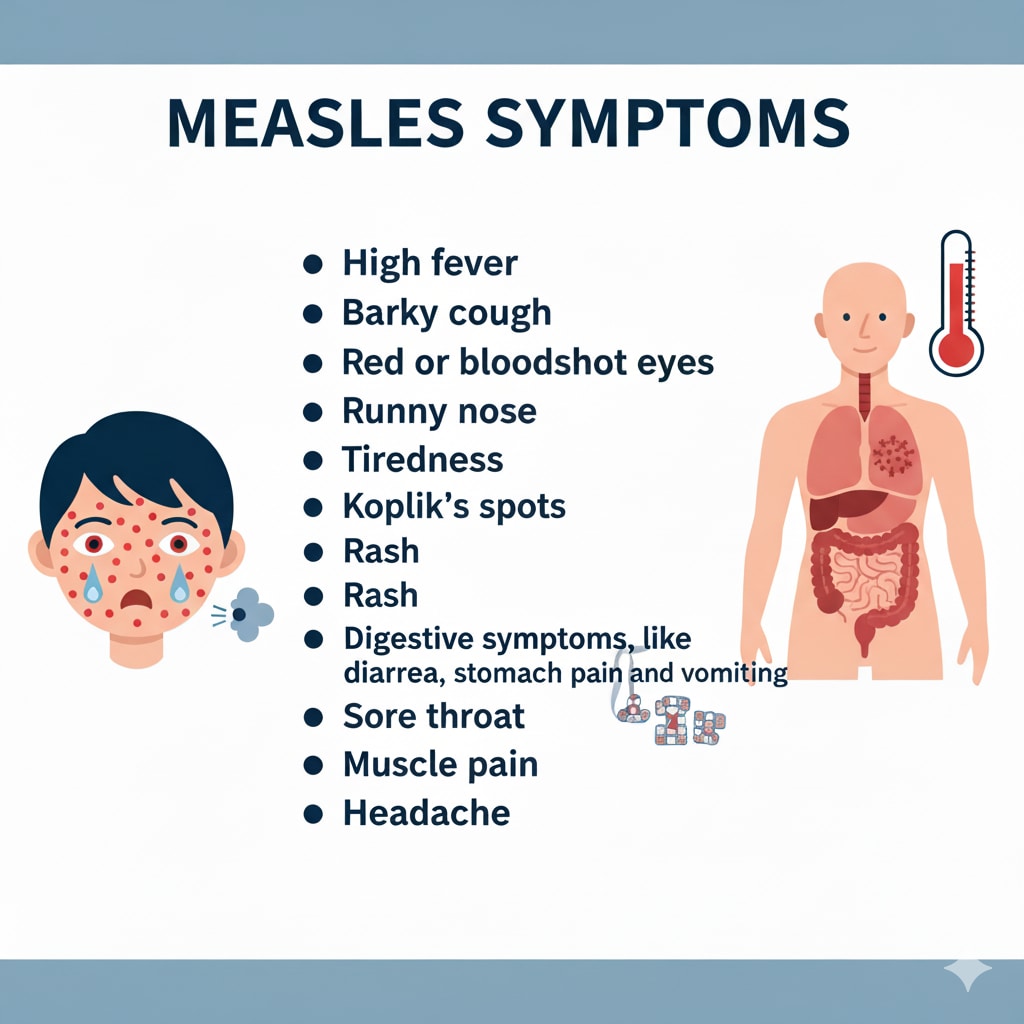 Measles is a highly contagious illness caused by a virus. It causes a widespread rash and flu-like symptoms. (Made using Gemini AI) Prevention and treatment for measles
The doctors highlighted that anyone who is unvaccinated is at risk. “Before vaccines were developed, almost everyone contracted measles. Vaccinated or previously infected individuals are usually immune. However, new strains of the virus may put everyone at risk,” they said.
There is no cure for measles, and recovery usually takes 10–14 days. Doctors recommend the following supportive care:
Pain relief with prescribed medications, such as paracetamol for fever and body aches (consult a doctor for children under five or pregnant patients)Adequate rest to help the body recoverSufficient hydration and regular saltwater garglesAvoiding exposure to bright light if it causes discomfortVitamin A supplements to reduce complications such as diarrhoea and pneumoniaIV antibiotics if secondary bacterial infections developSupportive treatments like nebulization, as needed
Note to readers: This article is for informational purposes only and not a substitute for professional medical advice. Always seek the advice of your doctor with any questions about a medical condition.