
Introduction
The design of learning environments plays a vital role in shaping student outcomes, teacher effectiveness, and overall educational experiences. In recent years, schools across the United States have moved far beyond traditional desks and chairs, embracing furniture that promotes flexibility, ergonomics, sustainability, and technology integration. As classrooms evolve to support collaborative, digital-first, and student-centric learning models, the school furniture industry has emerged as a critical enabler of modern education.
According to Renub Research, the United States School Furniture Market was valued at US$ 1.98 billion in 2024 and is projected to grow at a compound annual growth rate (CAGR) of 7.07% from 2025 to 2033, reaching an estimated US$ 3.66 billion by 2033. This steady expansion reflects increasing investments in educational infrastructure, heightened awareness of student health and comfort, and a growing emphasis on sustainable and technology-enabled learning spaces.
United States School Furniture Market Overview
School furniture encompasses desks, chairs, tables, laboratory furniture, storage units, and other fittings used across classrooms, libraries, laboratories, and administrative areas. These components are essential not only for comfort and organization but also for enhancing posture, focus, collaboration, and productivity among students.
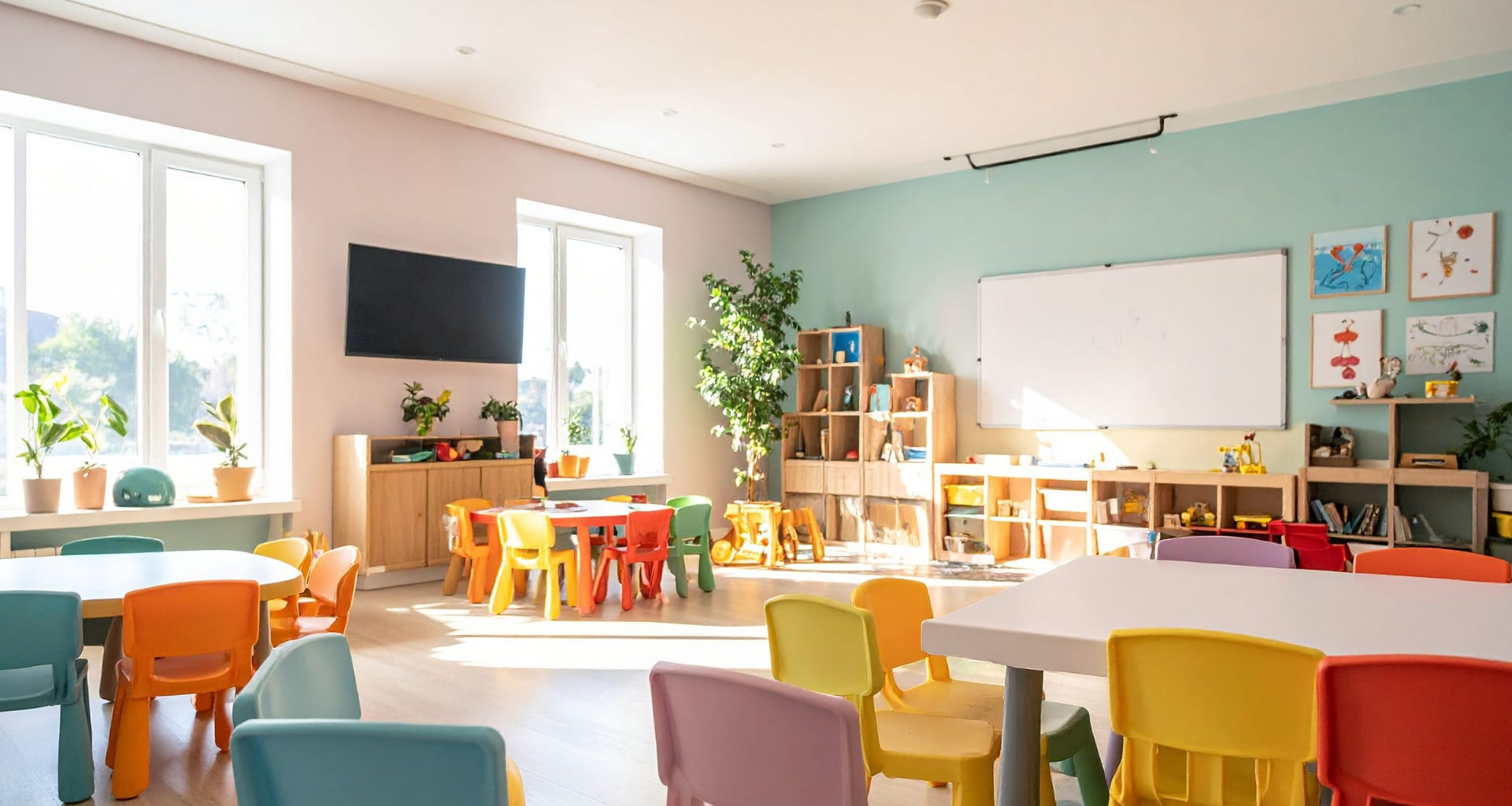
In the United States, school furniture has evolved to meet diverse classroom needs—from traditional wooden desks to height-adjustable, mobile, and tech-integrated solutions. Flexible and collaborative furniture layouts are gaining popularity, enabling multiple learning styles such as group discussions, digital learning, and independent study. As schools prioritize inclusivity, adaptability, and student well-being, furniture design is becoming more ergonomic, modular, and durable.
Market Size and Forecast Snapshot
Base Year: 2024
Market Size (2024): US$ 1.98 Billion
Forecast Period: 2025–2033
Market Forecast (2033): US$ 3.66 Billion
Growth Rate: CAGR of 7.07%
This growth trajectory underscores the rising importance of furniture as a long-term investment rather than a one-time procurement expense.
Key Growth Drivers Shaping the Market
1. Rising Investment in Educational Infrastructure
Federal, state, and private investments in school modernization are significantly driving demand for advanced furniture solutions. Classrooms are being redesigned to accommodate digital tools, STEM education, and hybrid learning models. In November 2023, the U.S. Department of Education allocated nearly US$ 37 million under the Supporting America’s School Infrastructure (SASI) program to improve school facilities across multiple states.
As schools integrate smart boards, laptops, and collaborative workstations, furniture must evolve to support interactive and dynamic learning environments. This ongoing transformation continues to fuel market growth.
2. Growing Focus on Ergonomics and Student Comfort
Student health and comfort have become central priorities in educational planning. Research indicates that well-designed furniture reduces physical discomfort, enhances posture, and improves concentration and academic performance. Students typically spend 6–7 hours per day seated in classrooms, making ergonomic furniture essential.
Adjustable desks, sit-stand workstations, and age-appropriate seating are increasingly adopted to support diverse student needs. Some state governments have also begun mandating ergonomic standards for public school furniture, further accelerating demand in 2024 and beyond.
3. Sustainability and Green School Initiatives
Sustainability is rapidly influencing procurement decisions in the U.S. school furniture market. Schools are prioritizing products made from recycled materials, sustainably sourced wood, and non-toxic finishes. Manufacturers are responding with eco-friendly innovations such as biodegradable plastics, low-emission adhesives, and energy-efficient production processes.
A study by the National School Supply and Equipment Association revealed that schools allocating budgets for customized and adaptable furniture increased by 15% in 2022, reflecting the growing emphasis on sustainable and flexible learning environments.
Challenges Facing the U.S. School Furniture Market
High Costs of Quality and Custom Furniture
Ergonomic, modular, and technology-integrated furniture often comes at a premium price. Budget constraints—particularly in public and rural schools—can limit widespread adoption. Customization and modular designs, while beneficial, require higher upfront investment, posing financial challenges for underfunded districts.
Supply Chain Disruptions and Raw Material Shortages
The industry has faced significant supply chain disruptions, affecting the availability and cost of key raw materials such as wood, metal, and plastic. Global shipping delays and labor shortages have increased production timelines and price volatility, creating uncertainty for schools planning large-scale procurement.
Market Segmentation Insights
United States School Seating Furniture Market
Seating furniture, including chairs, stools, and benches, represents a major segment of the market. Demand is shifting toward ergonomically designed, adjustable seating that supports proper posture and flexibility. Modular seating arrangements are increasingly adopted to encourage collaboration and active learning, while standing desks and mobility-accessible chairs are gaining traction.
United States School Storage Furniture Market
Storage furniture—such as lockers, cabinets, and shelves—is essential for organizing books, supplies, and personal belongings. With growing student enrollment and limited classroom space, schools are investing in compact, mobile, and modular storage solutions. Smart storage systems featuring digital locks are also emerging as a modern trend.
United States School Wood Furniture Market
Wood remains a preferred material due to its durability, aesthetic appeal, and sustainability. Wooden desks, chairs, and cabinets are widely used in both traditional and contemporary classrooms. To balance cost and durability, schools increasingly rely on plywood and MDF while maintaining eco-friendly sourcing standards.
United States School Metal Furniture Market
Metal furniture is valued for its strength, corrosion resistance, and low maintenance. It is commonly used in laboratory tables, lockers, and student workstations. Powder-coated metal furniture is particularly popular, while hybrid designs combining metal with wood or plastic offer durability with visual appeal.
Application-Based Market Trends
Classroom Furniture
Classroom furniture remains the largest application segment. The adoption of smart classrooms is driving demand for technology-enabled desks, interactive stations, and multi-functional seating. Furniture that supports both collaborative and individual learning is becoming standard across U.S. schools.
Offline Distribution Channel Dominance
Despite the growth of online procurement, offline channels continue to dominate the school furniture market. Schools prefer physical showrooms where they can assess product quality, durability, and comfort before placing bulk orders. Regional manufacturers and wholesalers play a key role in providing customized solutions, sustaining strong offline demand.
Regional Market Dynamics
East United States School Furniture Market
The Eastern U.S. leads in demand due to a high concentration of urban and private schools. Cities such as New York, Boston, and Washington, D.C. are investing heavily in modern classroom redesigns, incorporating ergonomic and technology-enabled furniture to support innovative learning environments.
North United States School Furniture Market
In northern states, durability and weather resistance are critical considerations due to harsh winters. Schools prioritize long-lasting materials such as metal and composite wood. Major cities including Chicago, Minneapolis, and Detroit are witnessing increased renovation projects, fueling demand for high-quality school furniture.
United States School Furniture Market Segmentation Summary
By Product:
Seating Furniture
Storage Units
Lab Furniture
Others
By Material:
Wood
Metal
Plastic
Others
By Application:
Classroom
Library and Labs
Others
By Distribution Channel:
Offline
Online
By Region:
East
West
North
South
Competitive Landscape and Company Analysis
Leading players in the U.S. school furniture market are focusing on innovation, sustainability, and ergonomic design. Companies are evaluated across four key perspectives: overview, key personnel, recent developments, and revenue performance.
Major Companies Covered:
Smith System (Steelcase Inc.)
MillerKnoll, Inc.
The HON Company
Virco
Fleetwood Group
VS America, Inc.
Hertz Furniture
Paragon Furniture
Haskell Education
Marco Group
These players are investing in modular designs, eco-friendly materials, and technology-compatible furniture to strengthen their market positions.
Final Thoughts
The United States School Furniture Market is undergoing a transformative phase, driven by modernization initiatives, ergonomic awareness, sustainability goals, and evolving teaching methodologies. As classrooms shift toward flexible, student-centered, and technology-enabled environments, furniture has become a strategic investment in educational success.
With the market projected to grow from US$ 1.98 billion in 2024 to US$ 3.66 billion by 2033, opportunities abound for manufacturers, investors, and education planners alike. While challenges such as cost pressures and supply chain disruptions persist, innovation and long-term infrastructure investments are expected to keep the market on a steady growth path.