
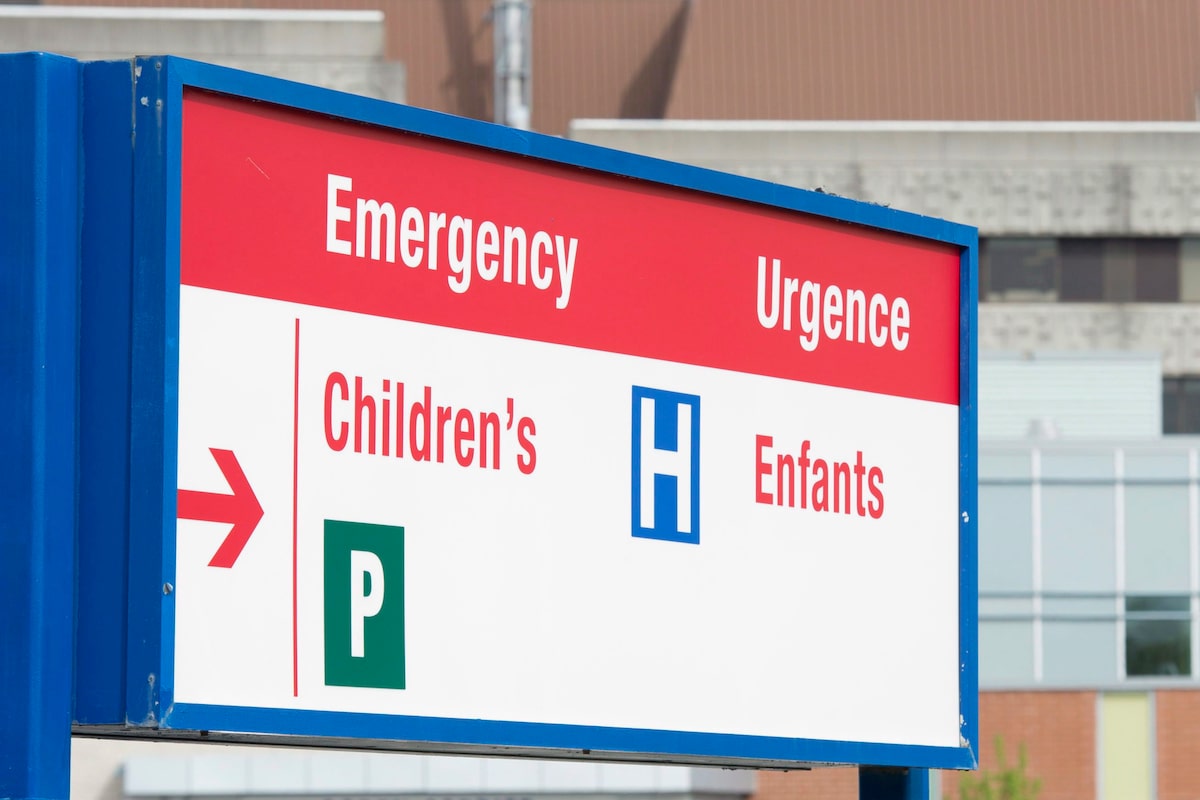
Three children have died from influenza-related complications in the Ottawa and Eastern Ontario regions in the first two weeks of December, regional medical officers of health said Monday.
The medical officers for the two health units said in a statement the deaths of the children, between the ages of 5 and 9, are a “stark reminder” that flu can lead to severe illness and complications that require hospital care.
“With much of the respiratory illness season still ahead, we anticipate this will continue to be a challenging flu season,” their statement said.
The medical officers of heath, Dr. Paul Roumeliotis for Eastern Ontario and Dr. Trevor Arnason for Ottawa, also reported a “rapid and significant rise” in influenza-A across the country’s most populous province, adding the Children’s Hospital of Eastern Ontario in Ottawa has reported higher-than-usual flu cases and complications for this time of year.
“With much of the respiratory illness season still ahead, we anticipate this will continue to be a challenging flu season,” according to the statement.
Pediatric influenza cases are reported each year but it is unusual for regional medical officers of health to issue a statement about the deaths of three children within a short period.
Doctors urge people to get flu vaccine as Ottawa hospital sees a surge in cases
A report in the Journal of Pediatrics in July identified 80 pediatric influenza-associated deaths in Canadian children’s hospitals from 2004 to 2022.
While most people who are infected with the flu recover, children under 5, people with immune-compromising conditions and adults over 65 are at greater risk of severe complications, including death.
Infectious-disease physicians have warned about an aggressive flu season, pointing to concerns about lower vaccine uptake and a “mismatched” vaccine that may offer less protection against the dominant circulating strain.
National surveillance data indicate influenza activity is increasing rapidly. The latest data for the week ending Dec. 6, showed a positivity rate of 20.2 per cent, with 6,799 confirmed cases.
“The percentage of tests positive for influenza is increasing quickly,” the report said. ”Laboratory detections are predominantly influenza A and among subtyped influenza A detections, influenza A(H3N2) is predominant.”
The report also said that of volunteers who participate in FluWatchers, a national volunteer program that gathers information on influenza activity, 3 per cent reported cough and fever.
It also said a total of 1,850 confirmed hospitalizations over respiratory problems in participating provinces and territories reflected an overall weekly rate of 5.5 hospitalizations per 100,000 population.
Hospitals prepare for intense flu season as doctors urge public to get vaccine
The Surveillance Program for the Rapid Identification and Tracking of Infectious Diseases in Kids, which tracks real-time trends in respiratory viruses among children seeking hospital care, also shows greater influenza-A activity.
From Nov. 30 to Dec. 6, it recorded that 950 children were tested with 462 positive cases (49 per cent). For Dec. 7 to 13, 284 were tested and 145 positive (51 per cent).
Public health officials say everyone who is six months and older should get the flu vaccine. They say that it is particularly important this season for children to receive it because of the rise in severe illness.
Additionally, they say parents and caregivers can help protect children by being vaccinated themselves.
The influenza vaccine is believed to take around two weeks to reach its full effectiveness, which is why officials are calling on individuals to get inoculated now before visiting family ahead of the holidays.
The vaccine does not always prevent infection but offers protection against severe illness, hospitalization and complications, officials say.
In addition to vaccination, public health officials say individuals can take preventive steps, including to wash their hands often, avoid touching their face with unwashed hands, to stay home when they are sick and to avoid visiting patients in hospital or long-term care homes when ill.