
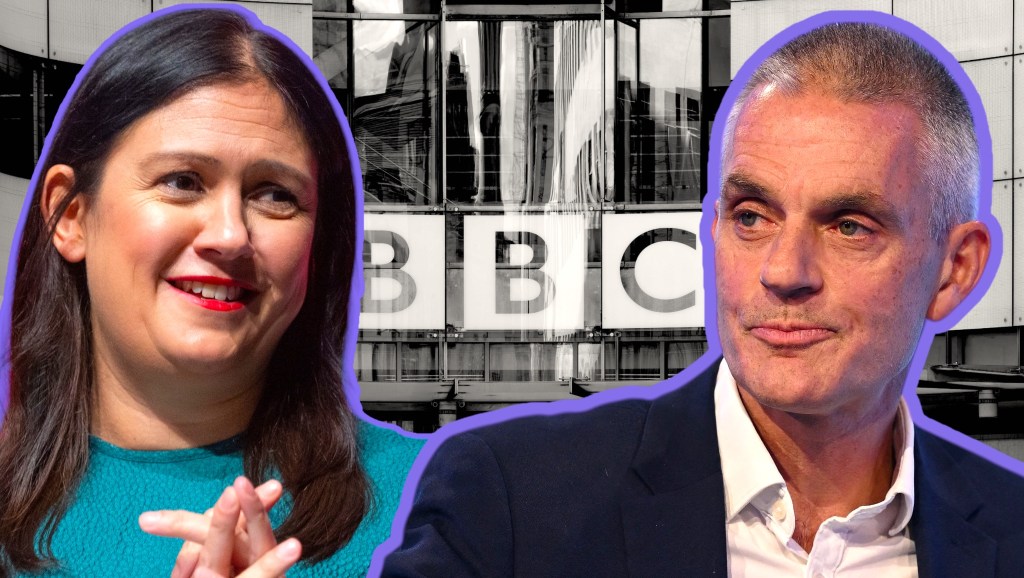
The UK government has fired the starting gun on BBC charter renewal, a once-in-a-decade review of the broadcaster’s funding and operating agreement.
Culture Secretary Lisa Nandy will today publish a “green paper” setting out potential reforms of the BBC, which will form the backbone of a public consultation. The paper was not made available to journalists ahead of publication.
The charter review process begins at a perilous moment for the BBC. The corporation has just been slapped with a $5B lawsuit by Donald Trump, it is facing an existential fight for audiences with global media and tech giants, and is hunting for a new director general after the shock resignation of Tim Davie.
Ministers have opened the door to reforming the BBC licence fee and supplementing the £3.84B ($5.1B) income stream with commercial revenue, potentially including ads and subscriptions.
The government said it wishes to strengthen the BBC’s independence, potentially by reconsidering the role of ministers in appointing board members following concerns over political hires like Robbie Gibb, the former Conservative spin doctor.
Other options being considered by ministers include handing BBC board members duties to stamp out workplace misconduct.
The BBC could also be given responsibilities to counter mis/disinformation, while the corporation’s public purposes may be updated to give accuracy equal importance alongside impartiality — something that might catch the eye of Trump.
“We want the BBC to continue to enrich people’s lives, tell Britain’s story and showcase our values and culture at home and overseas, long into the future,” Nandy said.
“My aims for the charter review are clear. The BBC must remain fiercely independent, accountable and be able to command public trust. It must reflect the whole of the UK, remain an engine for economic growth and be funded in a way that is sustainable and fair for audiences.”
The green paper and public consultation (which closes on March 10) will feed into a white paper, which will be published in 2026 and set in stone some of the reforms being made to the BBC. A draft of the new charter will then be published and debated in Parliament before the current one expires at the end of 2027.