
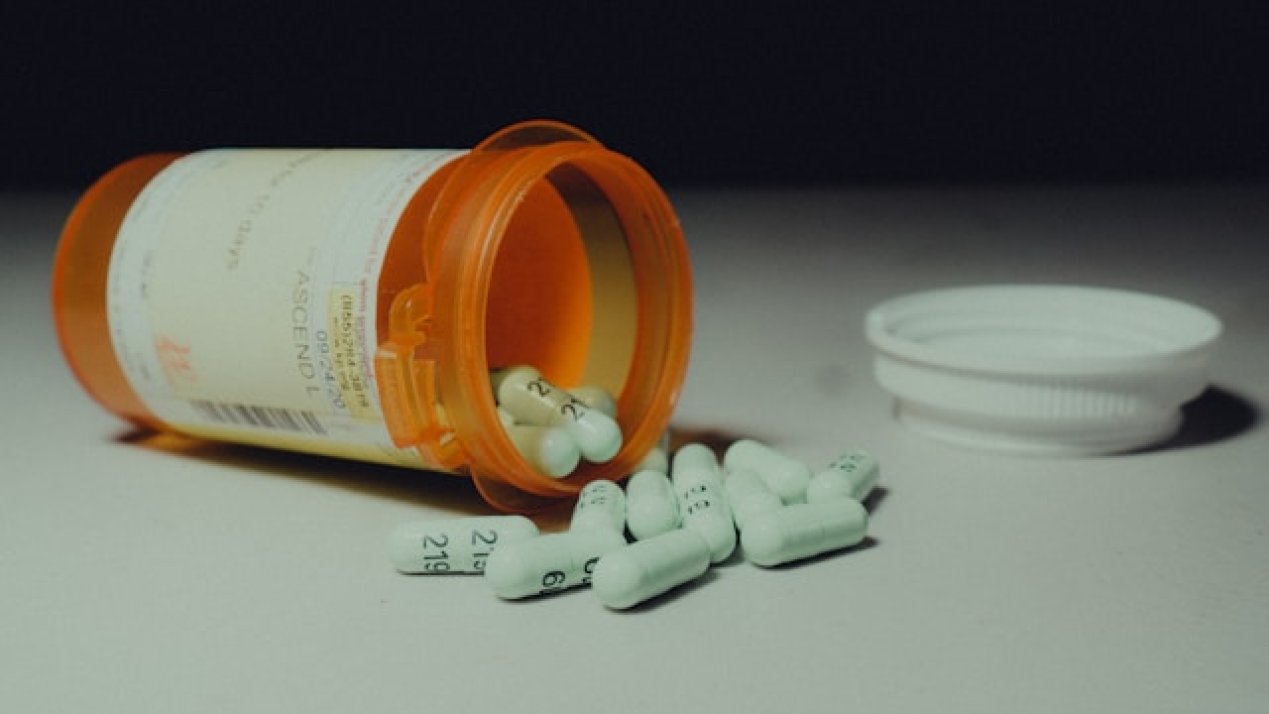
On Dec. 15, the US government issued an executive order designating illicit fentanyl and its primary chemical precursors as Weapons of Mass Destruction, citing their production, trafficking, and potential use as a direct threat to US national security. President Claudia Sheinbaum said her government will conduct a thorough review of the legal and political implications of this decision.
According to the White House, as little as 2mg of fentanyl, an amount comparable to 10 to 15 grains of salt, can be fatal, and the substance has been linked to hundreds of thousands of overdose deaths in the United States. The order states that fentanyl manufacturing and distribution are controlled by organized criminal networks associated with armed violence, the financing of terrorist activities, and territorial disputes.
Sheinbaum explained that Washington’s decision includes two separate mechanisms, one requiring legislative approval and another enacted through executive action, prompting her administration to closely examine its scope and potential consequences.
While recognizing the importance of law enforcement, the Mexican president stressed that efforts to combat drug-related crime and violence are insufficient if the underlying drivers of drug consumption remain unaddressed. “If the causes are not addressed, it will be fentanyl or another drug,” Sheinbaum warned, noting that substance use is closely linked to mental health challenges, social disconnection, limited opportunities for young people, and broader issues related to family, education, and values.
Sheinbaum also raised concerns about the potential impact of the designation on the legitimate medical use of fentanyl, which is widely used as an anesthetic, underscoring the need to clearly distinguish between clinical applications and illicit trafficking.
When asked whether the US decision could revive proposals for military intervention in Mexican territory, Sheinbaum said that “sovereignty and territorial integrity are not up for discussion under any circumstances.”
US Designation Revives Tensions Over Possible Military Action in Mexico
The US has heightened tensions between Washington and Mexico, particularly in light of recent statements by Trump suggesting he would authorize military strikes against drug cartels on Mexican territory if necessary. Trump argued that drug trafficking constitutes a national security threat to the United States, describing the crisis as comparable to a war and expressing frustration with Mexico’s efforts to curb the flow of drugs.
Claudia Sheinbaum has repeatedly rejected any possibility of foreign military intervention, reiterating that Mexico will not allow US troops to operate on its territory under any circumstances. She emphasized that bilateral cooperation must be based on coordination, intelligence sharing, and respect for sovereignty, making clear that all security operations within Mexican territory are the exclusive responsibility of Mexican authorities.
Earlier this year, the US Department of the Treasury imposed sanctions on eight individuals and twelve Mexico-based companies accused of supporting fentanyl trafficking through the “Los Chapitos” faction of the Sinaloa Cartel. According to John K. Hurley, Deputy Assistant Secretary for Terrorism and Financial Intelligence, the sanctioned network is involved in the illicit trade of chemical precursors used to manufacture fentanyl, while the Sinaloa Cartel itself is designated a terrorist organization. The faction is led by Joaquín “El Chapo” Guzmán’s sons, Archivaldo Iván and Jesús Alfredo Guzmán, who control extensive territories in Mexico, with two members of the group currently detained in the United States.
The sanctions target multiple members of the Favela López family, Víctor Andrés, Francisco, Jorge Luis, and María Gabriela Favela López, along with María Gabriela’s husband, Jairo Verdugo Araujo, and Gilberto Gallardo García, spouse of another sister. Companies linked to the family, including Agrolaren, Favelab, Favela Pro, Qui Lab, Storelab, and Macerlab, were also sanctioned. Additionally, Martha Emilia Conde Uraga and four companies connected to her, including Comercial Viosma del Noroeste and Prolimph Químicos en General, were added, underscoring the US effort to disrupt the financial networks that support Sinaloa’s fentanyl operations.