
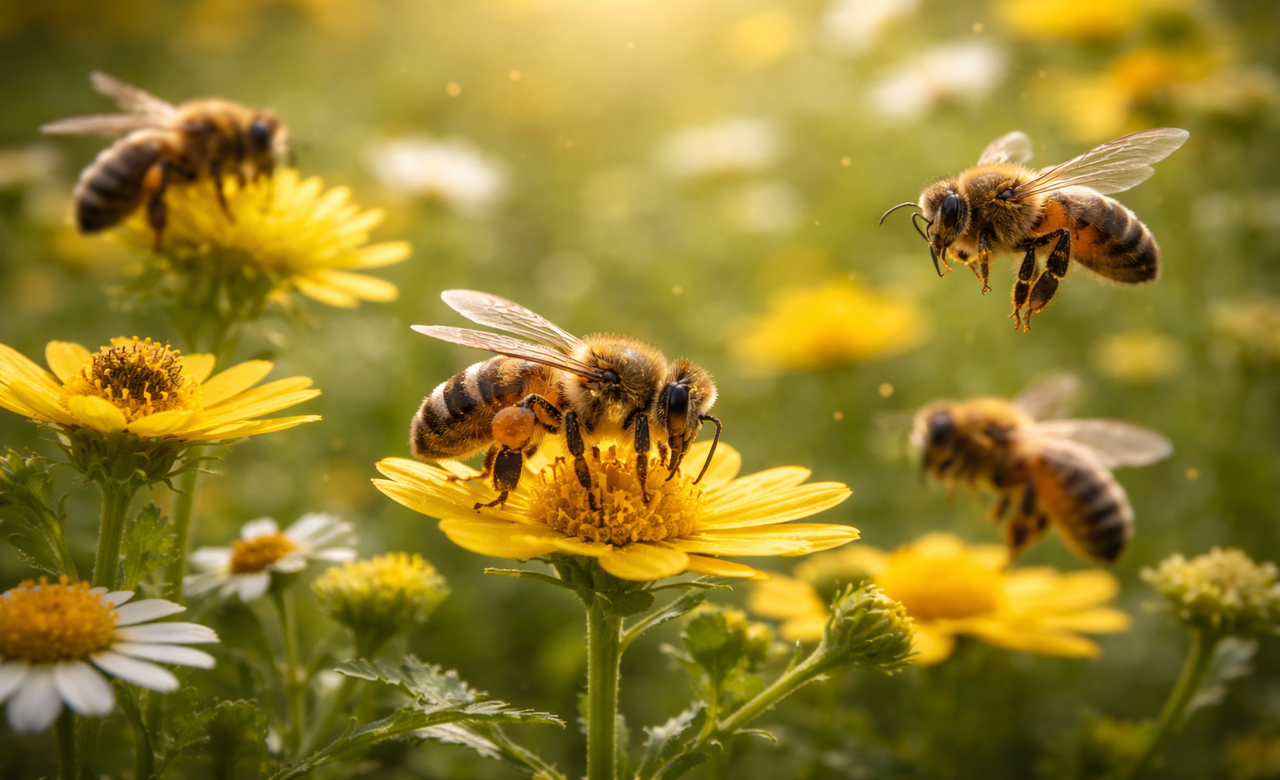
In 2025, Vermont has emerged as an environmental reference point in the United States following the release of a comprehensive scientific study that identified 352 species of wild bees within the state an all-time record for northern New England and a major milestone in understanding pollinator biodiversity in temperate ecosystems. The research marks a turning point not only for regional ecology, but also for national conservation strategies and sustainable agriculture.
The inventory, published in Northeastern Naturalist and led by researchers from the Vermont Center for Ecostudies in collaboration with the University of Vermont, required more than a decade of data collection and analysis. The team examined nearly 80,000 records drawn from public databases, museum collections, and citizen-science contributions. The findings included nine species never before recorded in the state, placing Vermont ahead of neighboring New Hampshire (325 species) and Maine (278).
The significance of the discovery lies not only in the number itself, but in what it represents for ecological knowledge and community engagement. Alongside professional biologists, thousands of trained residents participated in the project by photographing, documenting, and sharing bee sightings through platforms such as iNaturalist Vermont, helping to build an unprecedented scientific record of wild bee diversity.
This broad range of pollinators including ground-nesting species and others with highly specific habitat requirements is essential to ecosystem health and agricultural productivity. Global studies indicate that roughly 75 percent of food crops depend on animal pollination, and that the loss of wild pollinators can have even deeper impacts on food production than the decline of managed honeybees.
Vermont has taken concrete steps to protect this biological wealth. In 2023, the state passed Act 182, which bans the use of seeds treated with neonicotinoid insecticides a class of pesticides linked to harmful effects on bees making Vermont one of only a few states in the country to adopt such a measure.
Despite this progress, researchers warn that approximately 60 percent of the identified species likely require conservation action due to threats such as climate change, habitat loss, and extreme weather events, including floods and droughts that disproportionately affect ground-nesting bees.
Vermont’s findings serve as a broader wake-up call for stronger environmental policies and deeper collaboration among scientists, rural communities, farmers, and land managers. The state’s success demonstrates how community science can transform ecological monitoring, and underscores the importance of integrating local efforts with global conservation strategies to safeguard the ecosystem services that sustain both life and agriculture.