
But to tackle the questions raised by the Hadza research, they’d need more data. Specifically, a lot more poop, from a lot more places. They pitched their mentor Eric Alm, MIT professor of biological engineering, on the idea in 2016, and he agreed to provide the funding. The Global Microbiome Conservancy was official.
A few months later, Poyet and Groussin boarded a plane headed for Yaoundé, Cameroon. They visited rural villages without electricity and documented the daily struggles locals faced finding sources of healthy food. It was an abrupt and sobering introduction to reality for the two French scientists, who’d rarely ventured outside the lab. In the months that followed, they climbed the mountains of Nepal to get samples from Himalaya villagers, distributed those telltale plastic bowls to Inuit communities in the Arctic Circle, and trekked deep into the jungles of northern Thailand to collect poop from remote hill tribes.
They encountered soldiers manning machine guns mounted on pickup trucks in the Central African Republic and dangerous elephants in Tanzania. They gingerly removed a poisonous scorpion when it jumped onto Groussin’s shirt. A massive snake consumed several chickens outside their tent. In Rwanda, their presence attracted a crowd of curious locals that grew so large, the researchers’ security team peeled out while Poyet was still sitting in the back of their vehicle, attempting to process the fecal samples they’d just received. She held on tight and tried not to spill the stool soup all over herself. Slowly, the GMbC’s collection grew. Today, in every country Groussin and Poyet visit, they sample both rural and city dwellers to capture the influence of industrialization in each region. Already, they have identified some promising, potentially transformative, microbes.
Among nonindustrialized communities, Poyet has isolated one microbe capable of transforming cholesterol into coprostanol, a metabolite the body harmlessly excretes in stool. In some of the communities where the microbe is found in high concentrations—like the Hadza—cardiovascular disease barely exists.
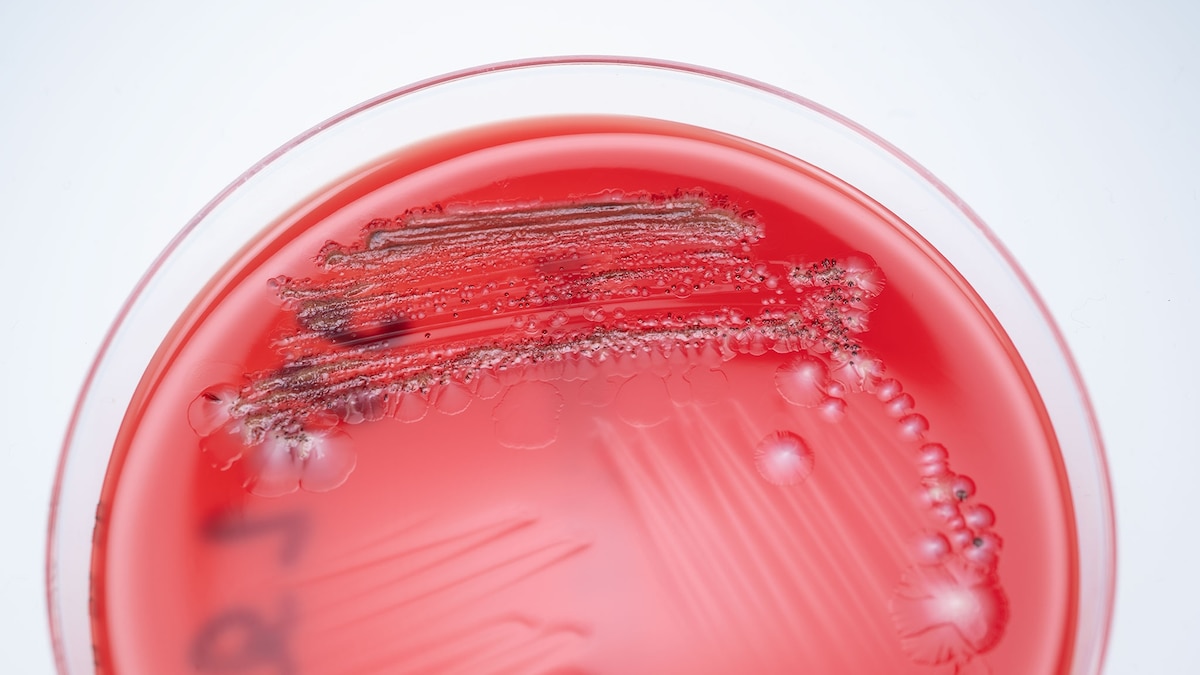
Because the GMbC’s library is available to the scientific community, collaborators are using its vast collection of samples to drive further discoveries. For example, previous studies have shown that children who meet the clinical definition for obesity often have different microbiomes. But it’s unclear whether the differences in their microbiomes are a cause of the obesity, or if the changes come afterward. To find out, Jason Zhang, a pediatric gastroenterologist at Boston Children’s Hospital, obtained stool samples from 200 children in Washington, D.C., none of whom were classified as obese. He looked for a risk factor strongly associated with the later onset of obesity, zeroing in on those who had reported episodes of what’s known as loss of control eating. Genetic sequencing of their microbiomes revealed they had deficiencies in a single key microbe—which Zhang then pulled from the GMbC’s strain library and grew into colonies in the lab to study. The missing microbe, he discovered and will soon publish, was excreting a lipid previous studies suggested could stimulate GLP-1 cells in mice, lowering their blood sugar and promoting a feeling of satiety. Think Ozempic, but all-natural.