
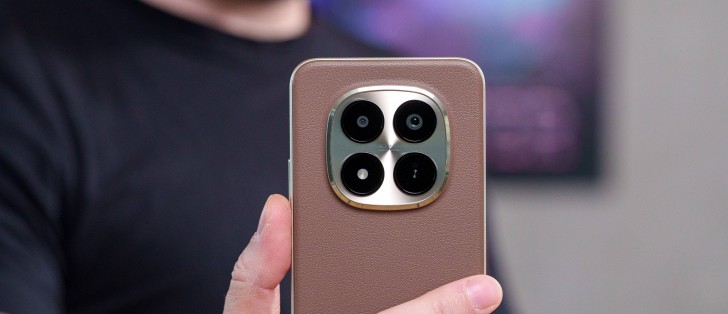
Larger and brighter OLED display
The Redmi Note 15 Pro+ adopts a slightly bigger display than its predecessor and is now 6.83″. It fits a fairly standard resolution of 1280 x 2772px. The maximum refresh rate is 120Hz, while dimming is controlled by high-frequency PWM at 3840Hz, so it should be easy on your eyes even if you are sensitive.
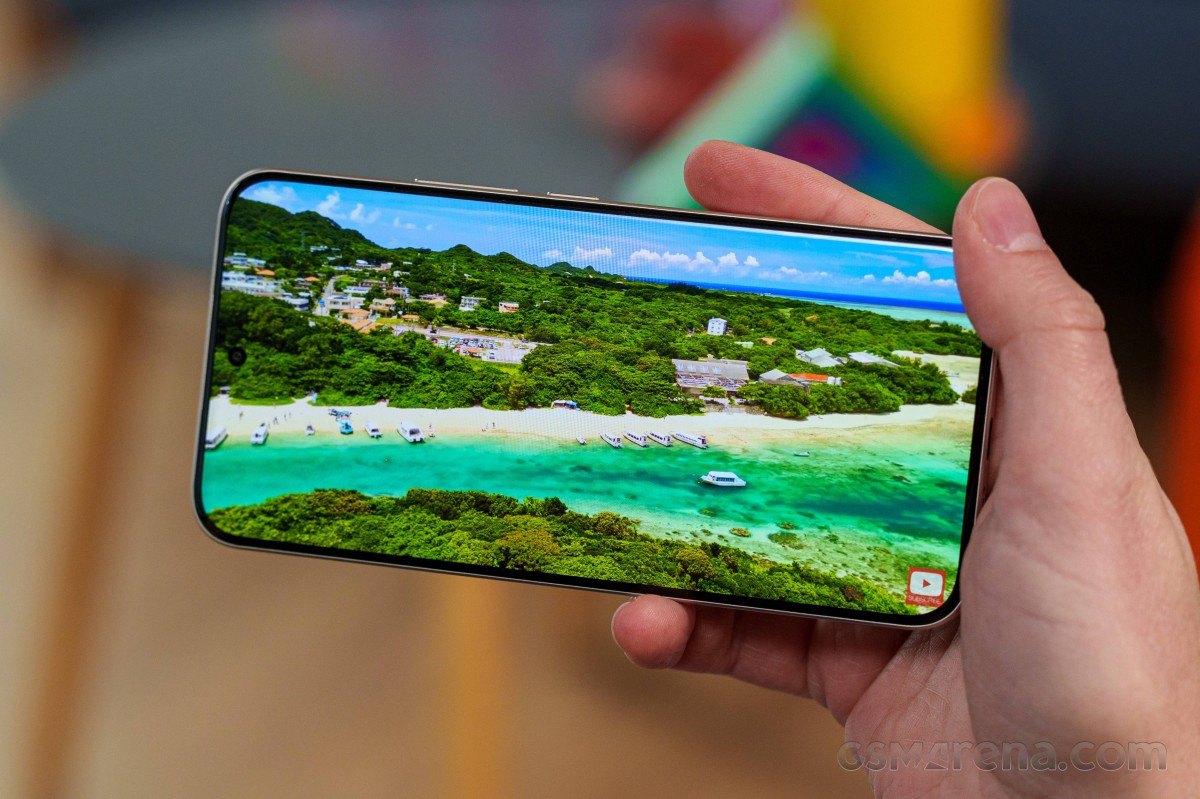
As is usually the case with Xiaomi’s displays, this one also supports Dolby Vision and HDR10+ content, so it plays nicely with YouTube and Netflix, for example. Google’s Ultra HDR standard, however, isn’t supported, but 12-bit color depth is on the menu.
When it comes to brightness, this year’s model seems to offer a slightly brighter panel, which is in line with the advertisements. In manual mode, the panel reached almost 600 nits, while in auto mode on a 75% pattern, the brightness boosted up to 1,509 nits. On a 10% fill, the panel reached 3,188 nits of automatic brightness, which is more than enough not just for comfortable outdoor use but for a proper HDR experience.
Refresh rate
The system offers two refresh rate modes – Default and Custom. The default one switches between 60Hz and 120Hz where appropriate, while the Custom one allows you to set a cap at 60Hz or force apps to saturate the 120Hz refresh rate.
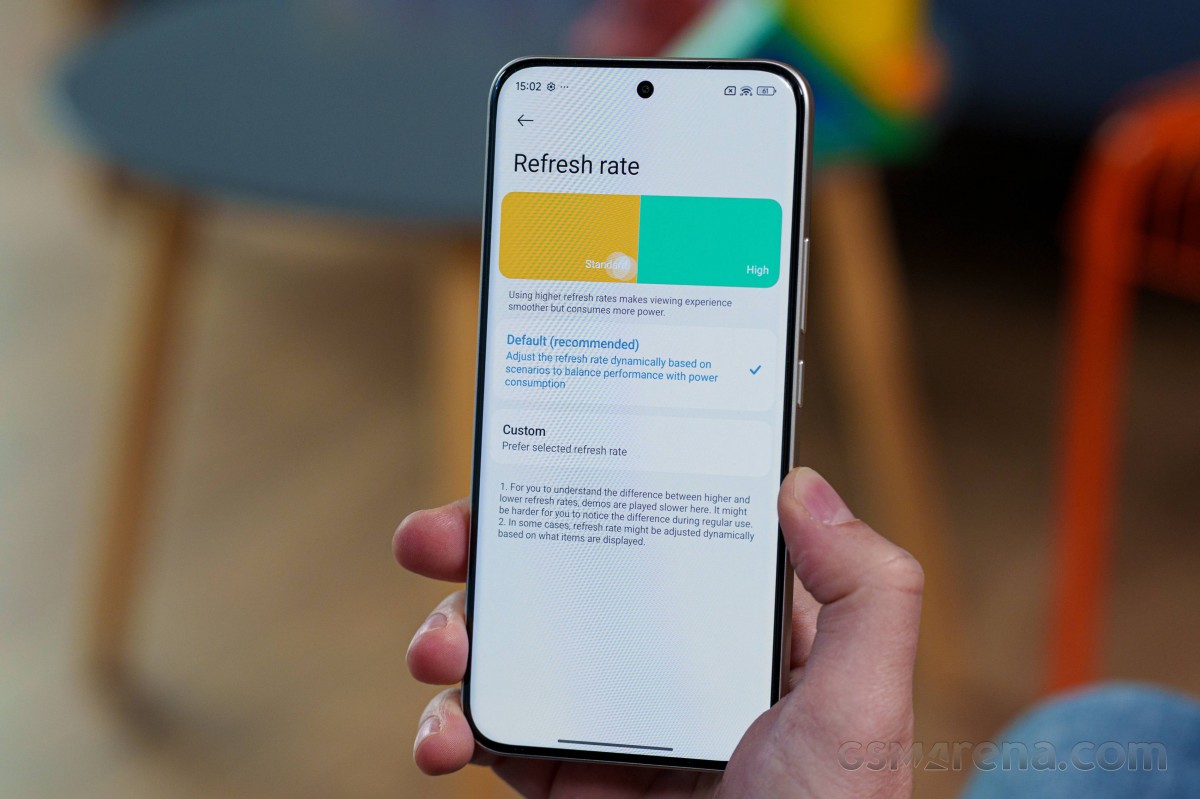
But unlike the previous model, the Note 15 Pro+ does indeed switch between 120 and 60Hz. In all third-party and system apps we tried, the panel boosts to 120Hz, and dials down to 60Hz when idle. In video and streaming apps like YouTube, the refresh rate goes down to 60Hz.
Battery life
The 15 Pro+ is now equipped with a considerably larger 6,500 mAh battery and runs on an energy-efficient Snapdragon 7s Gen 4 chipset. And despite not having the latest HyperOS 3 installed, the device showed a significant improvement over the previous generation in all of our battery tests.
The overall Active Use Score is 15:16h, which is pretty solid, especially the video playback runtime.
Charging speed
The Redmi Note 15 Pro+’s rated max charging power is a step down from the previous model – from 120W to 100W, and with the increased battery capacity to 6,500 mAh, the newer Pro+ charges significantly slower in our testing. It’s not too shabby, though. It took approximately 48 minutes to charge to 100%. At the 30-minute mark, the indicator showed 78%. Xiaomi’s proprietary 100W HyperCharge charger
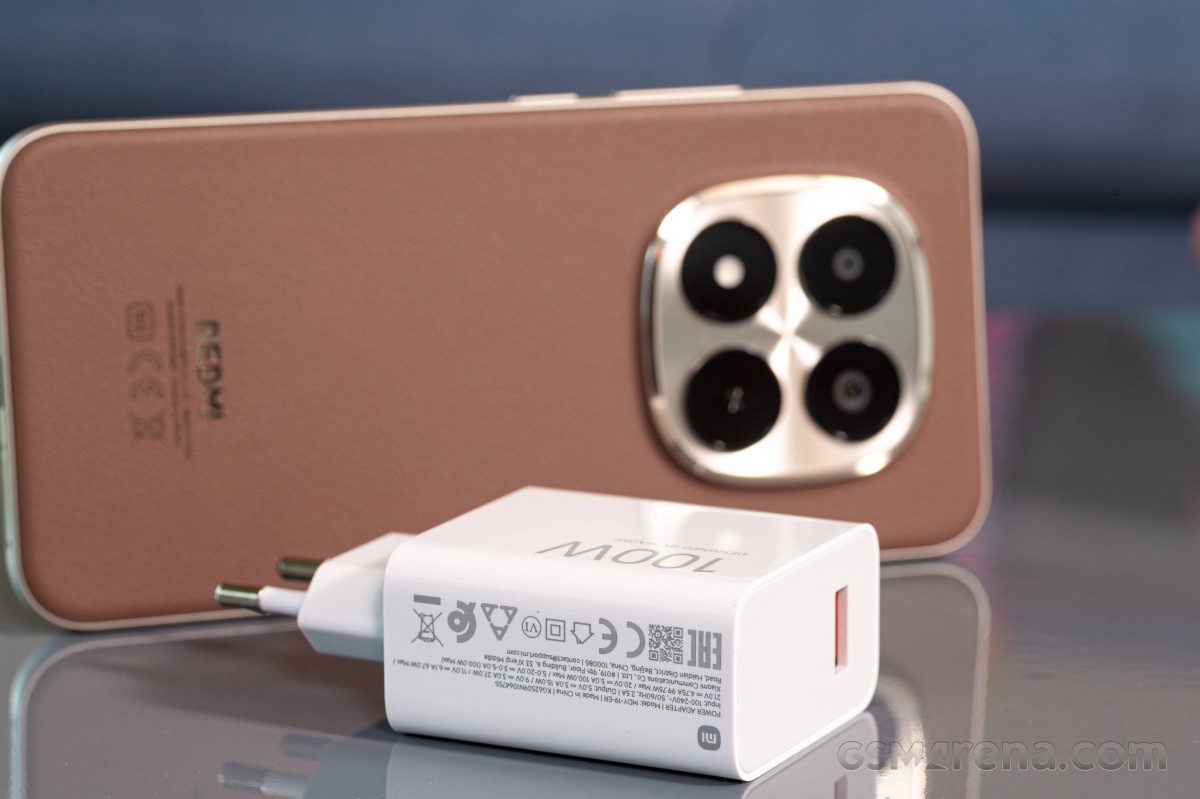
We also measured the charging speed with a standard USB Power Delivery charger that supports 100W. The charging times weren’t as good, but still decent enough. It took 13 minutes more to get to 100%, and the battery reached 64% charge in the first 30 minutes.
Even though that’s significantly slower than with Xiaomi’s own adapter, we still consider the charging speed competitively fast.
If you feel anxious about battery wear and tear, HyperOS gives you the options to limit the charging to 80% capacity, turn on smart charging that adapts to your charging habits or turn off the fast charging feature altogether.
Speakers
The Redmi Note 15 Pro+ features standard hybrid-style stereo speakers, with the top one also acting as an earpiece. Naturally, the bottom one sounds a tad louder than the top one. Nothing out of the ordinary.
However, when it comes to loudness and sound quality, the Redmi Note 15 Pro+ might surprise you. The handset achieved an “Excellent” -20.1 LUFS score, standing out from the crowd with one of the loudest speakers in its class. It’s also considerably louder than its predecessor.
Tuning-wise, we are impressed with the bass. It gives tracks some much-needed warmth and fullness, although the bass is boosted so much that it overpowers mid and high frequencies. The vocals sound a bit muffled at times.
Use the Playback controls to listen to the phone sample recordings (best use headphones). We measure the average loudness of the speakers in LUFS. A lower absolute value means a louder sound. A look at the frequency response chart will tell you how far off the ideal “0db” flat line is the reproduction of the bass, treble, and mid frequencies. You can add more phones to compare how they differ. The scores and ratings are not comparable with our older loudspeaker test. Learn more about how we test here.