
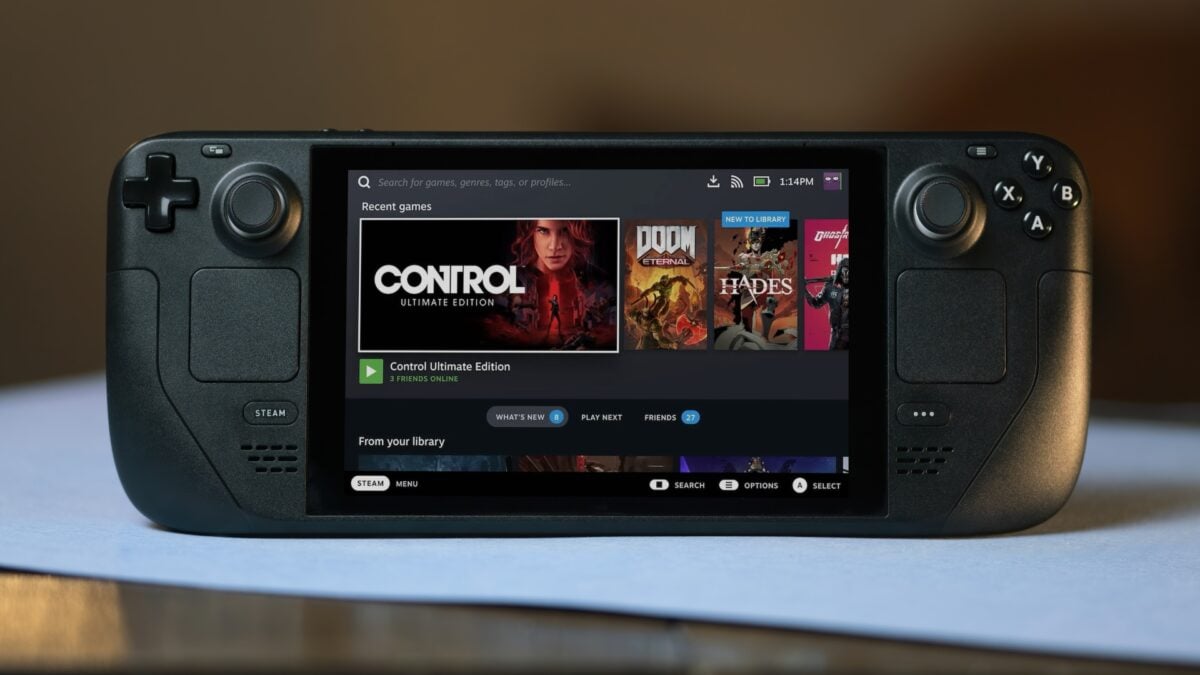
The Steam Deck is dead. Well, the original model with a 7-inch LCD is, at least. Valve has officially discontinued the handheld that opened the floodgates to a gazillion other handheld PCs.
“We are no longer producing the Steam Deck LCD 256GB model,” reads a note on the Steam Deck’s product page. “Once sold out, it will no longer be available.”
Launched in 2022, the $399.99 Steam Deck LCD was the most affordable way to play PC games on the go. With its official discontinuation, the cheapest Steam Deck is now the OLED version with 512GB of storage, which costs $549.99.
Valve hasn’t provided an official reason why it’s killed the Steam Deck LCD. It could be that sales of the entry-level handheld were cannibalized by the OLED model, which launched a year later in 2023 with a larger and more superior 7.4-inch display and a bigger battery. Or it could simply just be the latest victim of the current RAM shortage that’s driving up the cost of memory and SSDs or making it impossible for companies to even procure them for their devices.
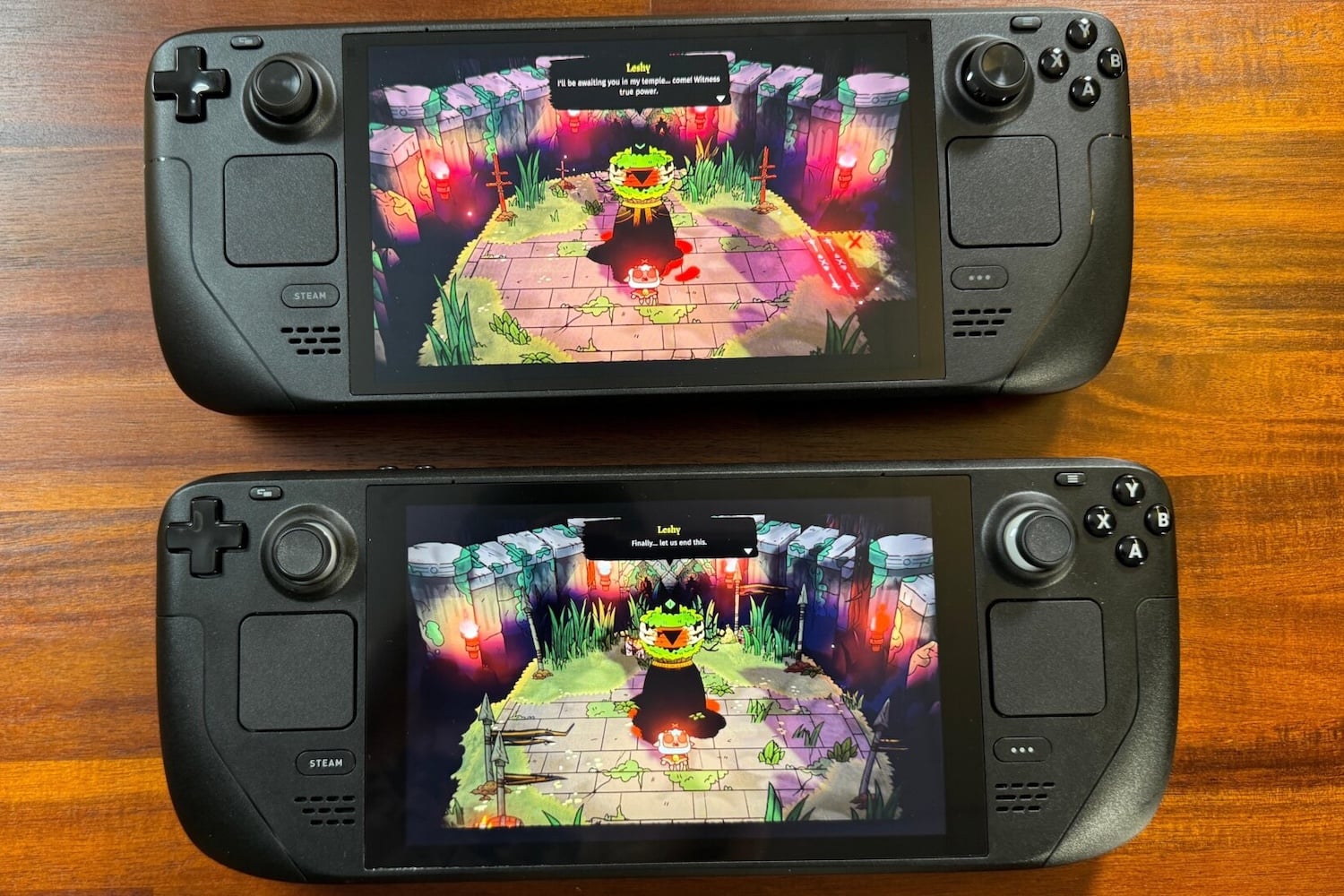 Steam Deck OLED (top) Steam Deck LCD (bottom). © Artem Golub / Gizmodo
Whatever the reason is, the cost to get into the Steam Deck ecosystem just jumped up by $150. Granted, I do think the OLED model is better in every way and worth the extra cash, but I hate that gaming keeps getting more expensive. This hobby used to cost less over time, with hardware prices coming down so that gaming became more accessible. But as we’ve seen this year, the inverse is happening.
Prices for handheld PCs are only climbing. The Lenovo Legion Go 2 starts at $1,100 and the Asus ROG Xbox Ally starts at $600. Before heavy discounts during big sales events like Black Friday or Prime Day, it’s becoming harder and harder to buy a handheld PC for under $500. And even then, the discounts are rarely actually steals. The Steam Deck LCD was the rare handheld that, while not the most powerful, offered a ton of bang for the buck.
Naturally, all of this has me somewhat worried about the supply for the upcoming Steam Machine, which is launching in “early 2026.” When the 6 x 6 PC “console” was announced in November, Valve software engineer Pierre-Loup Griffais said that it would cost “more in line with what you might expect from the current PC market.” Welp, in only a few weeks, the “current PC market” has ballooned to unprecedented price-gouging levels, all thanks to memory and storage makers shifting their sales to AI companies who are buying up all stock to power AI data centers.