
The Oklahoma City Zoo announced the addition to its animal family following the birth of a critically endangered Sumatran tiger cub. Zoo officials said the tiger cub was born on Dec. 15 to parents Lola and Badar. Lola and her newborn tiger cub are spending time together behind the scenes at the zoo’s Cat Forest. “This marks Lola’s third — and likely final — litter here at the Oklahoma City Zoo, making it especially meaningful for our team,” Tyler Boyd, the Oklahoma City Zoo’s curator of carnivores, said in a news release. “With fewer than 400 Sumatran tigers remaining in the wild, every successful pregnancy represents hope for this critically endangered species.” Caretakers have seen the cub nursing regularly, which is a positive indicator that the cub is thriving and is bonding with Lola. The tiger cub will undergo a neonatal exam after about a month. Video Below: Oklahoma City Zoo announces birth of zebra foal”Lola has consistently proven to be an attentive and capable mother, and our animal care and veterinary teams have worked closely together throughout her pregnancy to support her health and the wellbeing of her cub,” Boyd said. Lola and her cub will remain off public viewing until the cub is big enough to navigate the outdoor tiger habitat safely. Video Below: Oklahoma City Zoo announces endangered Asian elephant Asha is pregnant”What an amazing gift for Oklahoma City and the Sumatran tiger species, and just in time for the holidays,” Oklahoma City Zoo executive director and CEO Dwight Lawson said in the news release. “We hope this birth delights and inspires our guests to take conservation action in their own lives to aid us in preserving wildlife and wild places around the globe.” The International Union for Conservation of Nature lists Sumatran tigers as critically endangered, with population estimates between 300 and 400 alive worldwide. Top Headlines Traveling for the holidays? Avoid TSA surprises with these gift packing tips Big upgrades on the way to Tinker Air Force Base after NDAA passes Person taken to hospital after overnight house fire in Jones Clemency debate for Kendrick Simpson intensifies ahead of scheduled execution Is it healthy to drink an energy drink every day? Experts weigh in
OKLAHOMA CITY —
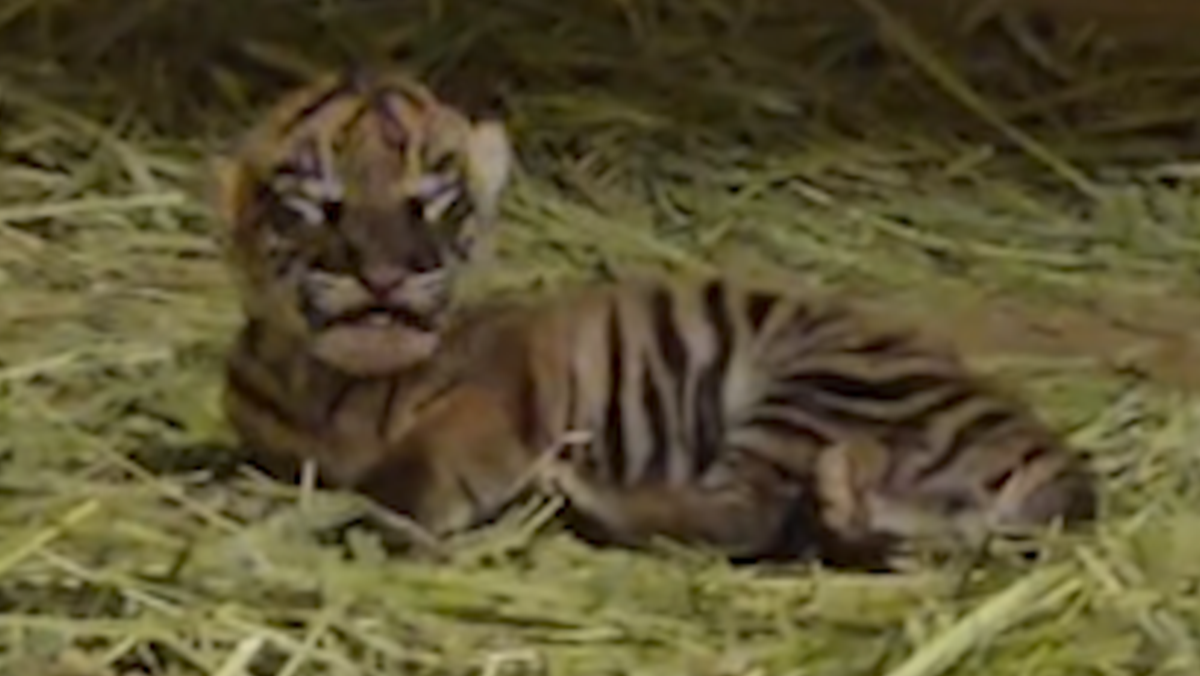
The Oklahoma City Zoo announced the addition to its animal family following the birth of a critically endangered Sumatran tiger cub.
Zoo officials said the tiger cub was born on Dec. 15 to parents Lola and Badar. Lola and her newborn tiger cub are spending time together behind the scenes at the zoo’s Cat Forest.
“This marks Lola’s third — and likely final — litter here at the Oklahoma City Zoo, making it especially meaningful for our team,” Tyler Boyd, the Oklahoma City Zoo’s curator of carnivores, said in a news release. “With fewer than 400 Sumatran tigers remaining in the wild, every successful pregnancy represents hope for this critically endangered species.”
Caretakers have seen the cub nursing regularly, which is a positive indicator that the cub is thriving and is bonding with Lola. The tiger cub will undergo a neonatal exam after about a month.
Video Below: Oklahoma City Zoo announces birth of zebra foal
“Lola has consistently proven to be an attentive and capable mother, and our animal care and veterinary teams have worked closely together throughout her pregnancy to support her health and the wellbeing of her cub,” Boyd said.
Lola and her cub will remain off public viewing until the cub is big enough to navigate the outdoor tiger habitat safely.
Video Below: Oklahoma City Zoo announces endangered Asian elephant Asha is pregnant
“What an amazing gift for Oklahoma City and the Sumatran tiger species, and just in time for the holidays,” Oklahoma City Zoo executive director and CEO Dwight Lawson said in the news release. “We hope this birth delights and inspires our guests to take conservation action in their own lives to aid us in preserving wildlife and wild places around the globe.”
The International Union for Conservation of Nature lists Sumatran tigers as critically endangered, with population estimates between 300 and 400 alive worldwide.
Top Headlines