
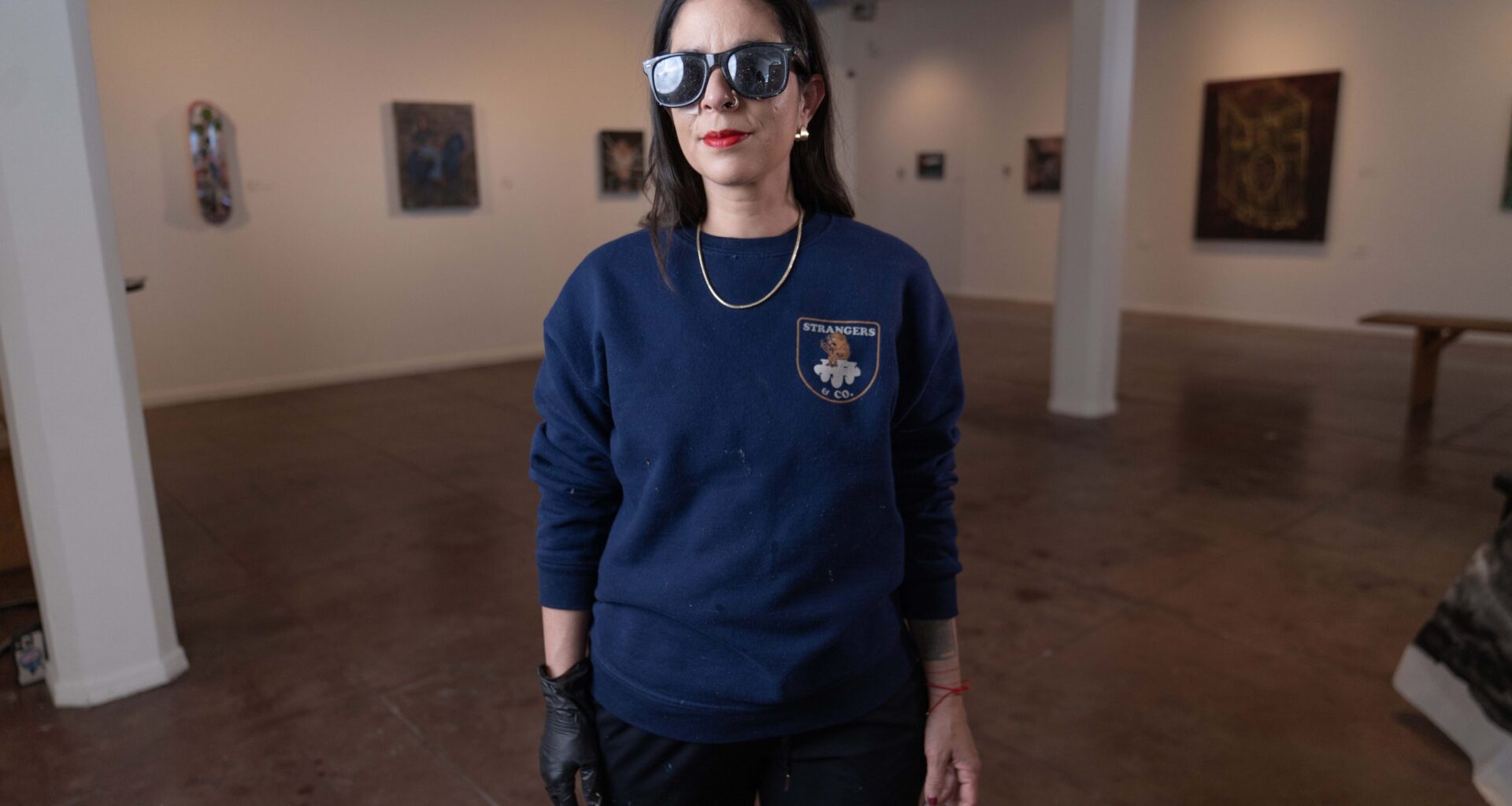
The shortcomings of San Diego’s art scene have been pointed out time and again, but less examined is how visual artists make a living in what has consistently ranked among the most expensive cities in the country.
The City of San Diego invested $12.2 million in 179 arts and cultural nonprofits last year, a number that the city council promises to maintain in 2026. This kind of recurring funding keeps longstanding art organizations afloat and supports a variety of community events around the city.
But one large void still nags at our city’s collective stomach – a lack of opportunities for visual artists to sell their work.
San Diego County ranks the fifth most populous county in the nation with 3.3 million people, but the number of museums and art galleries that buy or sell local artists’ work is slim to nothing.
It’s no secret that artists are expected to be well versed at making wine from water, even in the best of circumstances. The real secret is: How do they pull it off?
Andrea Chung: Selling Art Abroad
Local artist Andrea Chung, known for her large, ethereal, cyanotype photographs, had her first major solo exhibition at the Museum of Contemporary Art San Diego in 2017. However, she rarely sells her work locally.
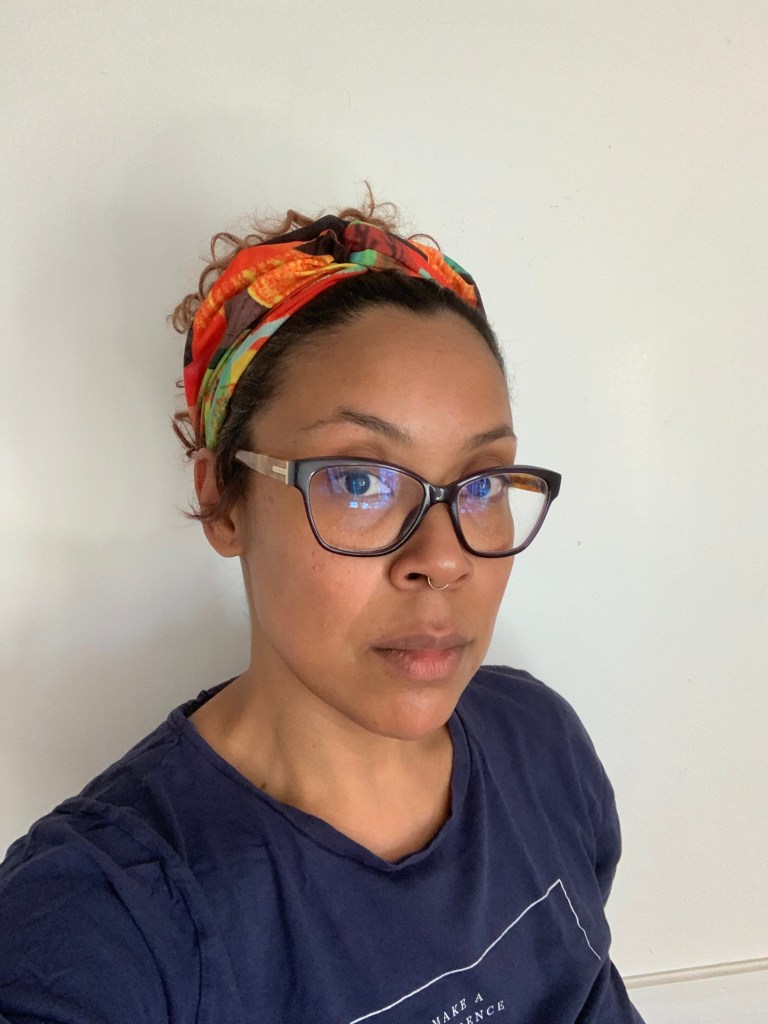 Courtesy of Andrea Chung.
“There’s no market here,” Chung said. “Unfortunately, the people with money here don’t believe in investing in younger artists. They go for blue chip artists that are so ridiculously expensive.”
The term “blue chip,” a stock market vernacular, is a reference to the highest valued poker chip. In the art world, blue chip artists like Andy Warhol or Jean Michel Basquiat equate to reliably high resale value and stable growth for billionaire bidders.
At 47, Chung has learned to reach geographically beyond local and big market trends, a strategy which has helped launch her career.
“I have one collector here. Most of my collectors are in New York or LA or out of the country,” she said.
Her work stretches across all corners of the nation, from New York to Miami, and even as far as Jamaica and Norway.
“The only places that do pay you are overseas,” Chung said. “Whenever I get contacted by someone in Canada, for example, legally they have to pay you. It’s not a ton of money but it’s a fair rate considering the amount of work they’re asking of me.”
Chung is referring to Canada’s Immigration and Refugee Protection Act, which set a precedent for protecting Temporary Foreign Workers and ensures visual artists are paid at the same rate as Canadian citizens.
“How do you think I’m going to pay my mortgage? With exposure?” she says poignantly. “It’s hard, it’s really hard. Especially for a Black artist here. Forget it,” she says with a chuckle. “But if a Black woman can make it here, then so can you.”
Joe Yorty: Creating Spaces
While Chung seeks success outside the local market, artist Joe Yorty basks in its potential.
Yorty is the co-founder of Best Practice, an independent gallery in Barrio Logan that leads the way in showing the work of artists who break away from the conventions of more traditional forms of visual expression. For some artists, this can look like employing a whole universe of alternative mediums from digital and time-based work to experiential and off-the-wall.
He agrees with Chung that there isn’t a market for selling art in San Diego. Part of the reason he says is because there aren’t many commercial galleries in town. Generally speaking, commercial galleries hold the reputation of prioritizing artists whose work promises a profit, and is often characterized by traditional mediums like painting.
“There’s Quint and Oolong. R.B. Stevenson shows young artists, but that’s really it, that I know of.”
To get by, he’s had to maintain a second job.
“All the artists I know, even the artists in LA, they’re all hustling with working jobs. I know very few artists that make a living in art,” he said.
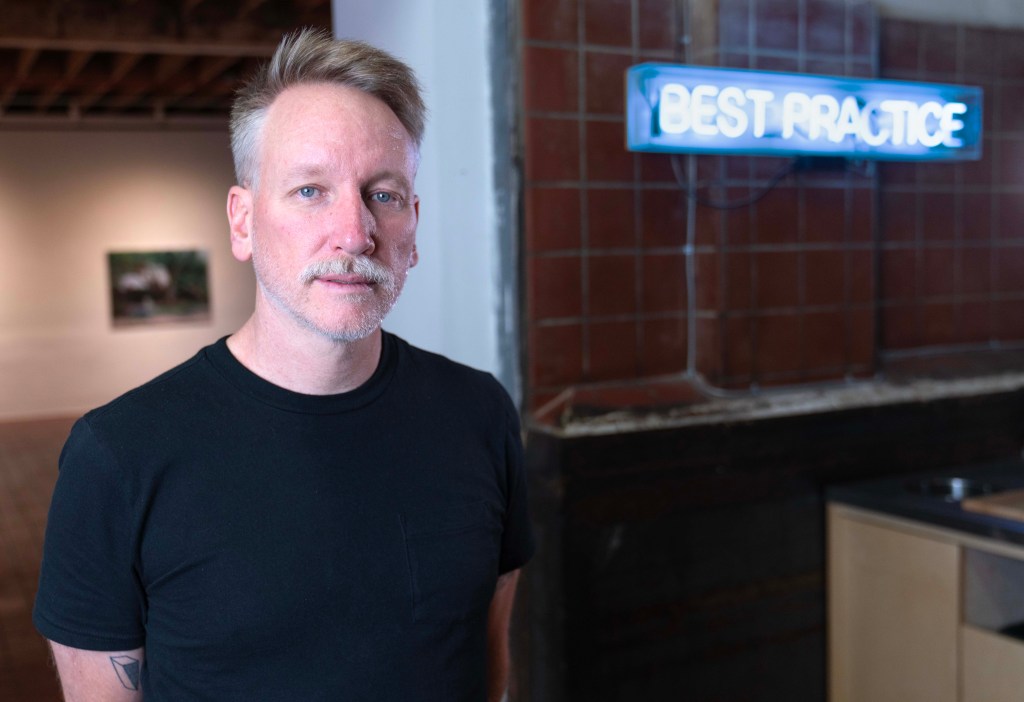 Artist Joe Yorty is pictured outside Best Practice, an independent gallery he co-founded. / Photo by Evan Apodaca for Voice of San Diego
Yorty has always been attracted to non-commercial art practices and Best Practice’s exhibitions are proof of that. For gallerists like him, the lack of local commercial opportunities has, perhaps inadvertently, carved out an opportunity to platform artists who commercial galleries won’t show, especially in an incapacitated economy.
“You don’t typically walk into a gallery in LA or New York and see video or conceptual work,” he said. “It’s a lot of painting on canvas. I wanted the freedom to show more conceptual work … participatory work, video and immersive installation.”
Yorty keeps Best Practice afloat from behind the scenes while handing over the curatorial responsibility to independent curators. Doing so allots him the time to work on paying the rent while opening up opportunities for curator-to-artist relationship building, ultimately a win-win for the local arts ecosystem.
“I explain to all the artists that show with us that we’ll have a price list but that we don’t really sell very much work.”
Best Practice’s most recent exhibition featured the work of Leslye Villaseñor, an artist whose paintings depict dream-like images of memorial shrines from San Diego’s Otay Valley Regional Park.
“So far the only painting that sold in Leslye’s show is the one that I bought,” Yorty points out.
PANCA: A Little Bit of Everything
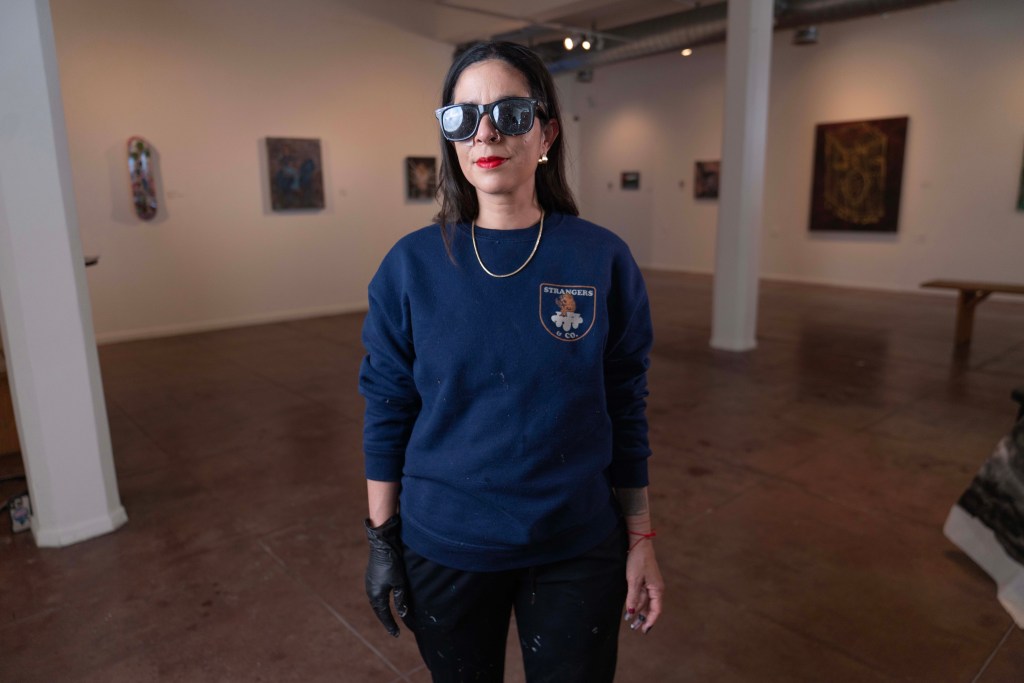 Artist Paola Villaseñor pictured at The FRONT Arte Cultura in San Ysidro. / Photo by Evan Apodaca for Voice of San Diego
Finding committed collectors locally might seem like a pipe dream to most San Diego-based artists, but Paola, aka PANCA, has defied those odds.
Villaseñor’s feverish mural-making practice for over the last decade has gradually launched her into more visibility, leading to two solo exhibitions at Bread & Salt in 2017 and 2020.
“The last show was a turning point,” she says about meeting many of her collectors.
The artist lives and works from Tijuana, crossing into San Diego occasionally, and her binational allegiances are embedded in her work.
“Living in Tijuana feels so freeing because I was burnt out,” Villaseñor says of leaving San Diego due to the high cost of living. “I feel like I should be doing better though.”
Like many artists, Villaseñor juggles multiple sources of income, including mural commissions, art sales, grants and brand deals. “You kind of have to be an octopus.”
Selling bolsitas, skateboards and ceramic items has helped supplement her income. She’s also collaborated with Netflix and Bacardi.
Her business, quite like an octopus, requires multiple extensions, each equipped with flexibility and agency, “I have to have different versions of myself – (one) angry and (one) sellable.”
Like Villaseñor’s sales categories, economic impact studies of San Diego’s arts and culture sector are characterized by two kinds of spending: profitable and not profitable. Ratings of cultural vibrancy are often focused on total spending by local arts and culture organizations and their patrons. Meanwhile, spending on individual artists remains a low priority.
Regardless, artists like Chung, Yorty and Villaseñor, cultural providers in their own right, have proven themselves a mainstay to our cultural ecosystem, even if through their own agency.