
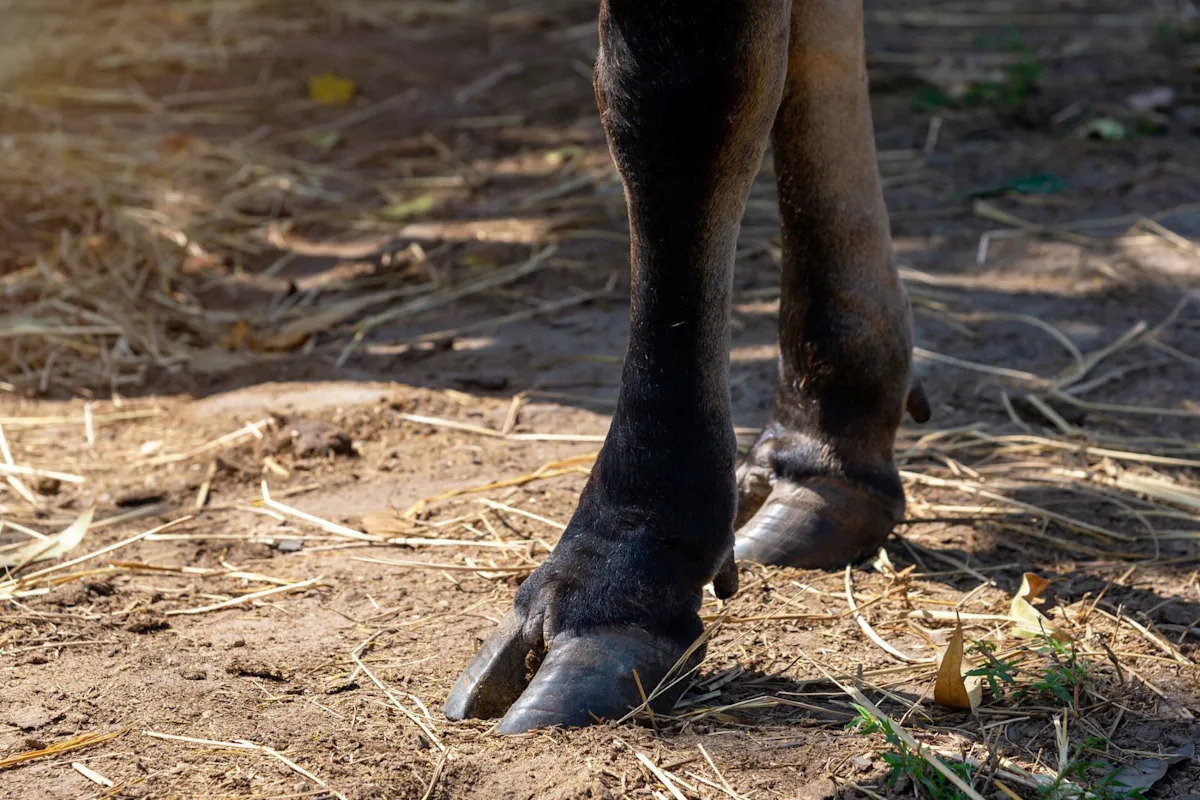
A historic reintroduction of American bison is taking place in a Kane County, Illinois, prairie after an absence of more than 200 years, as the Daily Herald reported.
The legendary bison, often referred to mistakenly as buffalo, were once integral to ecosystems in Illinois and across North America. Their populations plummeted dramatically due to overhunting and the eradication of their habitat, the tallgrass prairie, by humans.
Not only did that lead to local extinctions of the bison, like in Kane County, but it also nearly spelled doom for the tallgrass prairie as an ecosystem, as it was discarded in favor of commerce and farmlands. A mere tenth of a percent of tall prairie remained after the shift.
Now, a collaborative effort between the American Indian Center, the Forest Preserve District of Kane County, and Ruhter Bison, which manages the herd, is reuniting both animals and habitat for the first time in centuries.
“This is something I’ve waited my entire career to see,” Benjamin Haberthur, Kane County forest preserve district executive director, said in a news release. “This is a moment that transcends generations.”
What makes the project especially unique is the bison’s return to the tallgrass prairie at Burlington Prairie Forest Preserve. Conservation agencies set up the reunion by planting native flowers into the soil, frequently by hand.
The bison’s return is equally beneficial to that ecosystem, which depends on them. Patrick Chess, the forest preserve natural resource management director, explained how.
The keystone species coexist in a symbiotic relationship with other wildlife and prairie plants, per Chess. The bison feed on plants that include 114 grass and flower species at Burlington, and they wallow on the tallgrass prairie.
“Wallowing causes small depressions that fill with water and then create their own microclimates that provide habitat for other wildlife,” Chess revealed. “Everything is interconnected.”
Conservationists initially intend to keep the bison separate from the public as they adjust to their new living space. In the next month, they will roam a larger prairie with public viewing and educational programming to celebrate their return in the spring.
American Indian Center executive director Jay Young emphasized the return of the bison as a deeply meaningful moment for Indigenous communities.
“It’s a ‘rematriation’ — the return of relatives who have been missing from this place for far too long,” Young said. “Bison have carried our stories, our teachings, and our responsibilities for generations.”
Get TCD’s free newsletters for easy tips to save more, waste less, and make smarter choices — and earn up to $5,000 toward clean upgrades in TCD’s exclusive Rewards Club.