
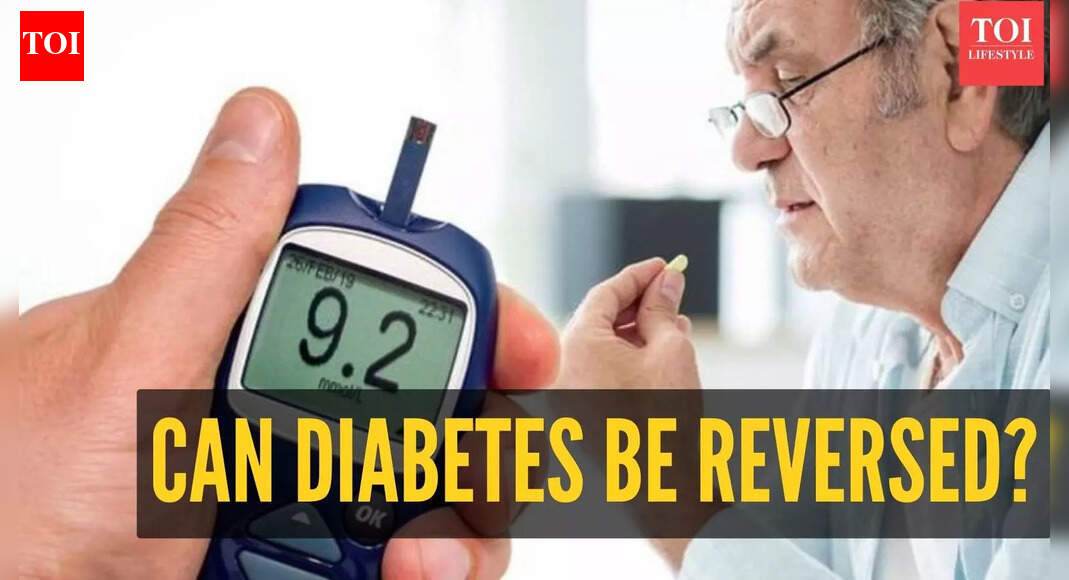
 Diabetes Remission: What Experts Say About Lifestyle Changes and Blood Sugar Control Imagine your body as a complex orchestra with insulin as the conductor that keeps every section in harmony. In diabetes, it is like the conductor that goes off-beat and the music turns chaotic. Everyone wants to “reverse” that disorder and restore perfect harmony but doctors say that it is more like retuning the orchestra than flipping a switch.
What diabetes reversal actually means
When endocrinologists talk about remission rather than reversal, they mean a state where blood glucose levels return to non-diabetic ranges without the need for medications but the underlying susceptibility remains. If lifestyle support is lifted, blood glucose can climb again. This distinction is important and backed by emerging clinical research.
Diabetes Management Made Simple: 5 Yoga Asanas That Work
Remission is possible in type 2 diabetes with intensive lifestyle change. According to a 2012 study published in JAMA, “Intensive lifestyle intervention resulted in significantly greater remission of type 2 diabetes compared with standard diabetes support and education.” This landmark study from the US looked at people with type 2 diabetes undergoing a structured lifestyle program with calorie control and increased physical activity. The lifestyle group experienced significantly higher rates of diabetes remission compared with the control group, highlighting that how you live matters tremendously. 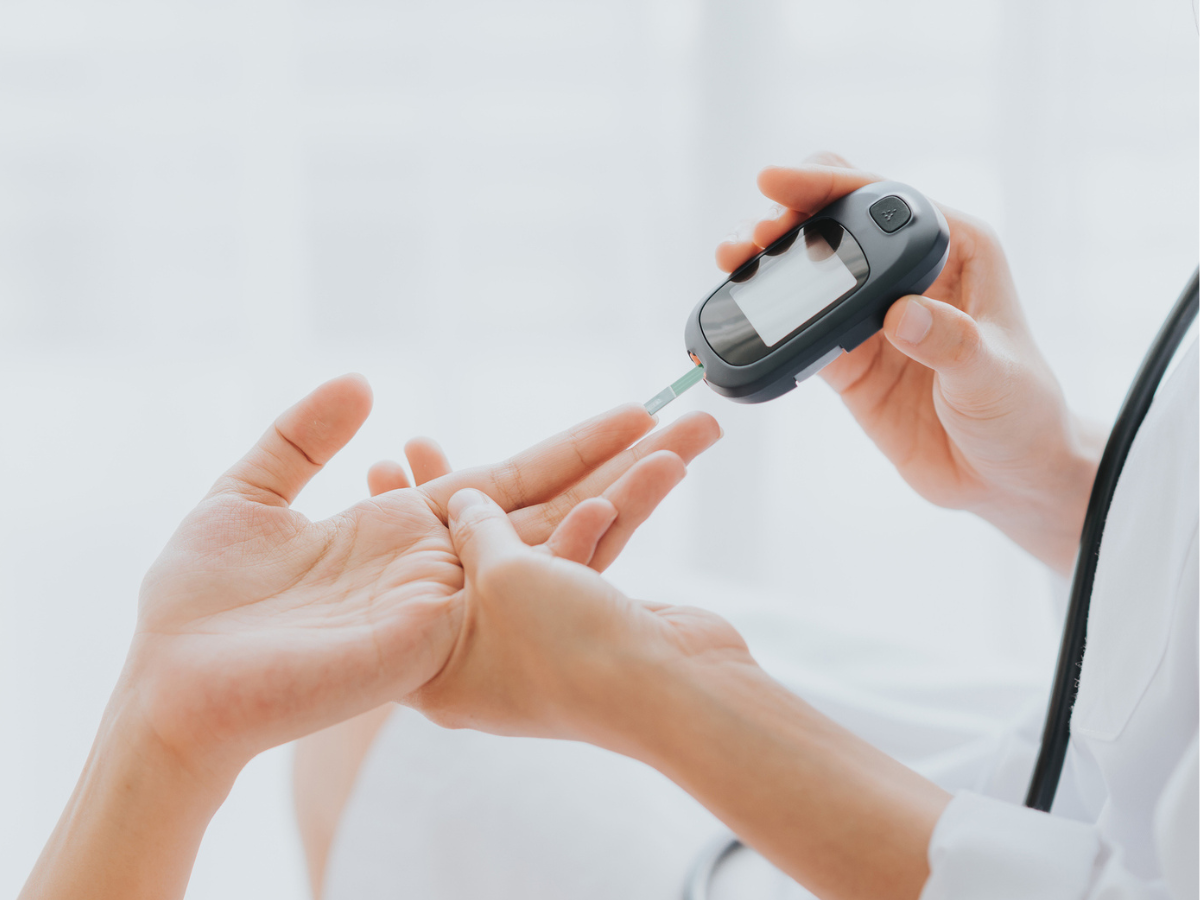
Forget ‘Reversal’: Doctors Reveal the Truth About Managing Diabetes Through Lifestyle
Weight loss directly improves insulin sensitivity. A 2015 study in Diabetes journal found, “Modest weight loss was associated with improved insulin sensitivity, β-cell function, and metabolic outcomes.” This study shows that even modest weight loss, as little as 5% of body weight, can significantly improve key physiological processes involved in type 2 diabetes. These include insulin sensitivity and how the body manages blood glucose, which supports remission efforts even when medications remain part of care.Sleep quality, stress and glucose regulation. As per a 2017 study in Journal of Clinical Sleep Medicine established, “Poor sleep quality and short sleep duration are associated with impaired glucose metabolism and increased risk of type 2 diabetes.” This review highlights an often-neglected piece of the diabetes puzzle: sleep. Poor sleep disrupts hormonal regulation, including insulin sensitivity, demonstrating that lifestyle inputs beyond diet and exercise, like sleep quality and stress reduction, meaningfully influence diabetes outcomes.
What experts say about diabetes reversal
Is it possible to reverse diabetes or is remission a more realistic goal? With diabetes rates ever increasing across the world, many people are questioning if intensive lifestyle changes can significantly improve blood sugar levels and even lessen the need for drugs.”Even when talking about diabetes reversal, we must be precise in our terminology,” Dr Usha Ayyagari, Endocrinologist at Apollo Clinic in Chennai, shared in an interview with the Times of India. “Remission is a more accurate term, not reversal.”According to her, remission is possible-albeit mainly possible with early type 2 diabetes and very patient specific. The population of people who enjoy the best results usually see:Significant and sustained weight lossShort duration of diabetesLess ageGood blood sugar control prior to interventionNot required (or not previously required) insulin”This will dramatically improve the chances of going into remission,” Dr Ayyagari implied.Talking about what type of diabetes can benefited most from lifestyle changes, Dr Ayyagari said that all types of diabetes need lifestyle management but type 2 diabetes, in particular, has the greatest responsiveneness to lifestyle based interventions. “Insulin resistance is a hallmark of type 2 diabetes, and it can improve significantly with lifestyle change,” explained Dr Ayyagari. “This makes blood sugar control much easier than type 1 diabetes, where the body cannot produce insulin.” 
Can You Really ‘Reverse’ Diabetes? Experts Weigh In on Remission and Lifestyle Changes
When asked what is the most important consideration, diet, exercise, sleep, or stress management, Dr Ayyagari noted that the habits don’t work in isolation; all of them are just as important, she says.Her suggestions are as follows -Diet: It’s important to eat at appropriate times, amounts and your calorie range.Exercise: It’s best to incorporate cardio and strength training, the amount of time should be suitability to your goals.Sleep: Insufficient sleep increases insulin resistance, weight gain and complicates diabetes and high blood pressure management.Stress: Stress can affect both mental and physical health to the extent that it directly affects blood sugar.Regarding how much weight loss makes a difference, Dr Ayyagari said that even small changes matter. “I just need to go back to mention that as little as 5% weight loss can begin improving blood pressure and blood glucose,” said Dr Ayyagari. However, other diabetes-related complications will often require a greater weight loss: Sleep apnoeaFatty liver disease“In those cases, a minimum of 15% weight loss, and sometimes more, will be needed,” Dr Ayyagari indicated. Discontinuing medication is not guaranteed but improvements are much more likely. This depends on the same remission factors, said Ayyagari and added that even if a person can’t stop their medicine, there will be improvements in control and these can allow for: Fewer medicinesLower dosesLess frequent insulin injectionsOr a lesser dose of insulinIn some cases, patients will be able to terminate certain medications but they will still need to undergo a treatment program.
Bottom line
Although diabetes is not reversible, remission is an achievable and evidence-based target, particularly in individuals with early-type 2 diabetes. The most effective tools remain the fundamentals of eating well, exercising on a regular basis, sleeping well, managing stress and reduce their weight and maintain it. Dr Ayyagari concluded, “Lifestyle is the cornerstone of diabetes management – but the health benefits extend beyond blood glucose management.”Note: The information provided in this article is for educational purposes only and is not intended as medical advice. Always consult with a qualified healthcare professional before starting any new medication or treatment and before changing your diet or supplement regimen.