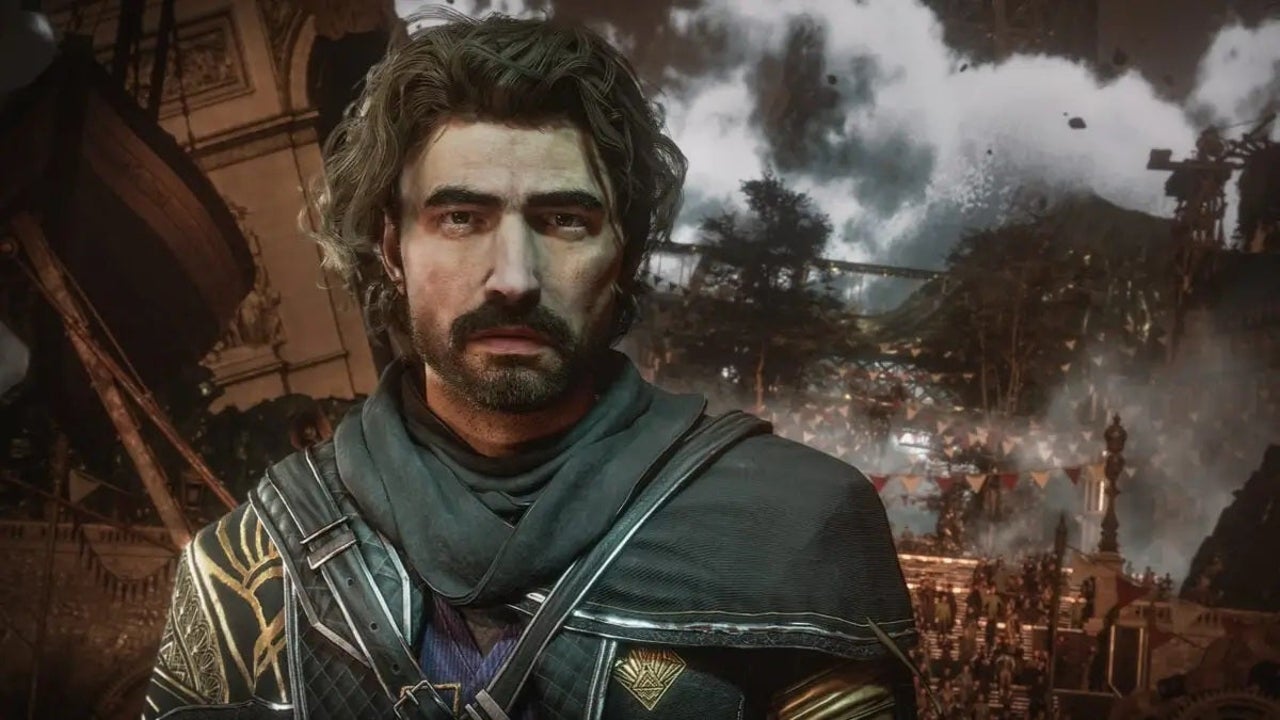
The recent controversy surrounding the video game Expedition 33 has sparked a broad debate about the use of artificial intelligence in the video game development industry. Sandfall Interactive, the developer behind the successful JRPG, admitted to having used generative AI technology to create some temporary textures, which were removed five days after the game’s release. This decision triggered the revocation of the ‘Game of the Year’ award at the Indie Game Awards, which has generated significant reactions in the developer community.
A criticism that will not sit well with fans
Chris Seavor, former developer at Rare, expressed his discontent on Bluesky, suggesting that using AI in this way shows a lack of effort on the part of developers. “Don’t be lazy and pay for your work,” emphasized Seavor, although he also admitted that the use of AI in development may be more common than one might think. For her part, independent developer PeachyAenne highlighted the importance of unity within the community when addressing these critical issues.
The controversy has also highlighted a division in the community regarding the use of AI. Daniel Vávra, writer of Kingdom Come: Deliverance 2, defended the implementation of AI, arguing that it can facilitate the creation of high-quality games with smaller teams, similar to the work dynamics of past eras. However, other developers, including former members of teams behind titles like Baldur’s Gate 3, criticized the lack of transparency from some companies, insisting on the need to respect the work of employees.
This debate highlights the complexity of integrating artificial intelligence into creative processes and raises questions about ethics in video game production, as the industry continues to evolve constantly.