
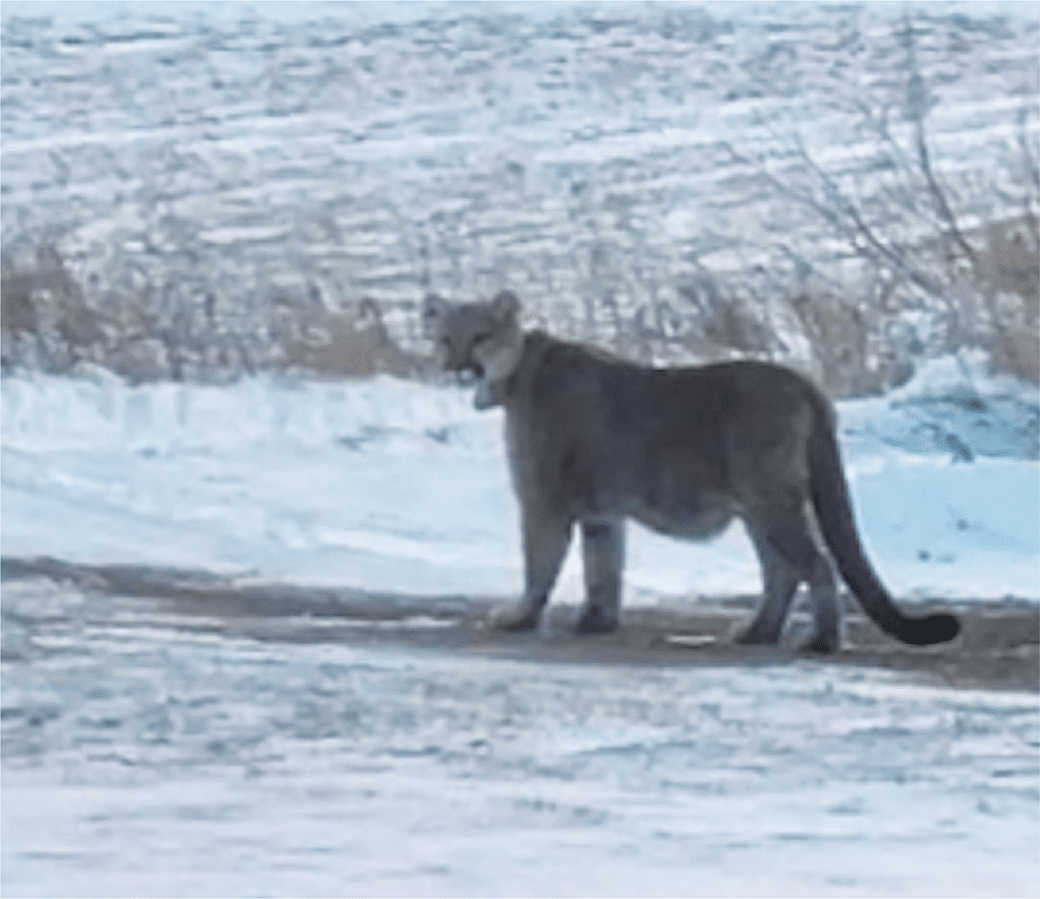
Although sightings remain rare, people have spotted cougars more often in northern Minnesota in recent years. (All photos courtesy MNDNR)
Cougars, sometimes called mountain lions, historically roamed through Minnesota. The state now considers them transient and rare. However, sightings have increased in recent years, especially in the northern parts of the state. This is likely due to a rise in technology, such as trail cameras, and greater public awareness, rather than actual population growth.
A recent sighting drew notable attention when a cougar appeared near residential neighborhoods in Duluth. As a precaution, administrators at two schools on the city’s east side temporarily kept students and staff indoors. The animal may be a young male cougar. They often roam long distances while searching for new territory or a mate.
Wildlife specialists with the Minnesota Department of Natural Resources (DNR) believe the cougar entered Minnesota from as far away as Nebraska or the Dakotas. Trail cameras first recorded the animal in western Minnesota, and observers later reported sightings in other locations. Photographs showed that the cougar wore a research collar and ear tags, and it’s since been determined that the collar is no longer working.
More public awareness
Although people rarely see cougars in Minnesota, reports have increased over the past several years. The growing use of trail cameras and heightened public awareness likely explain this trend. Cameras near Fergus Falls captured the first images of the Duluth-area cougar, and observers have since reported multiple additional sightings.
John Erb, a research scientist with the DNR, told the Minnesota Star Tribune that “That one cat has been detected 15 to 20 times.”
When we asked whether the DNR tracks cougars in Minnesota, Erb explained that the agency doesn’t survey cougars but does track verified sightings. However, the DNR conducts one-day scent posts and winter track surveys of mammals, such as wolves, bobcats, and martens. While it’s always possible that a cougar could walk through one, Erb said that it would be a “needle-in-the-haystack” discovery.
Researchers believe that most mountain lions are usually just passing through and that there aren’t any breeding populations in the state.

The MNDNR tracks and maps verifiable cougar sightings across Minnesota.

What if you spot one?
Encounters between humans and cougars in Minnesota occur very rarely. While residents should remain aware, they typically avoid people, and attacks are extremely uncommon.
The lions prefer dense habitats, which makes them less likely to be seen. However, if you spot one, you can identify it by several distinctive characteristics. They have nearly six-foot-long bodies covered in tan fur, and their tails are nearly as long as their bodies. Their heads and ears appear compact and small in proportion to their bodies. Notably, they also have darker markings on their faces and tails. Adult males can weigh up to 200 pounds, while females are significantly smaller. Cougars live solitary lives and usually appear alone, except when females care for their young. Females and their young may stick together for up to two years.
Cougars primarily hunt large mammals such as deer, but they will also prey on smaller animals when necessary. Minnesota classifies cougars as a rare species, and as a result, state law protects them. The DNR continues to track and monitor these elusive animals and encourages anyone who believes they have seen a cougar to report the sighting to a local wildlife office or conservation officer.
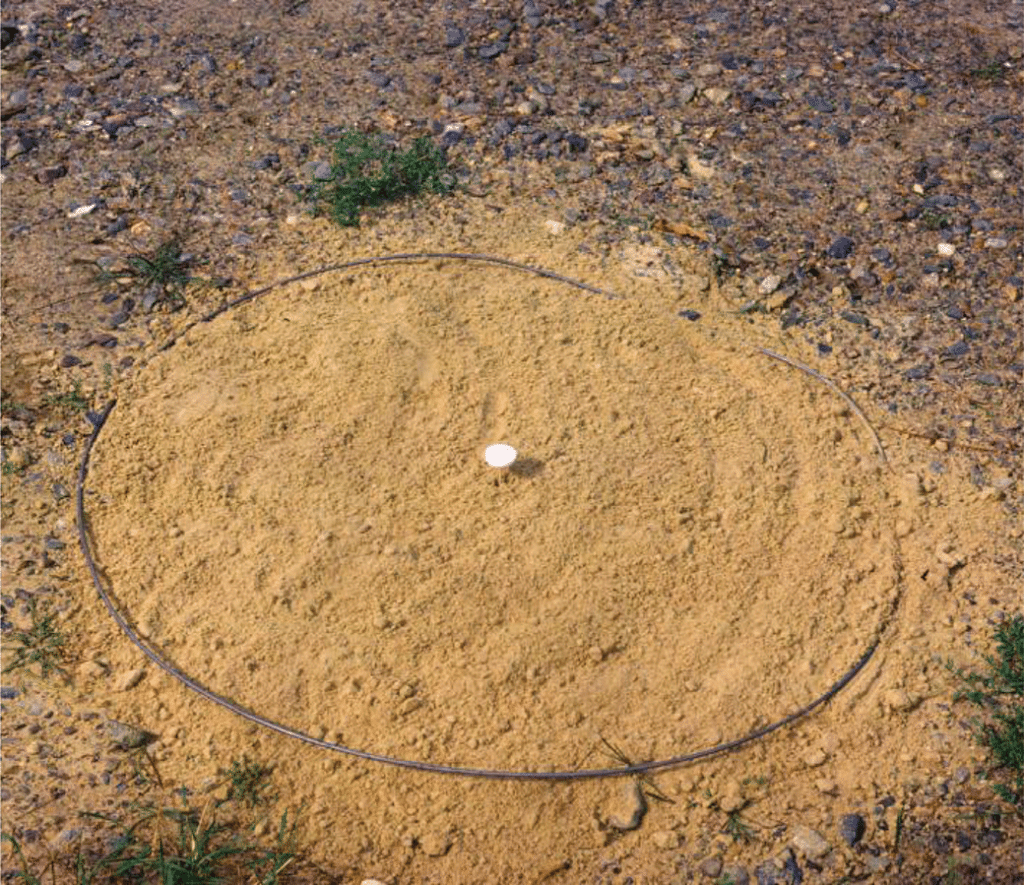
Scent stations are a three-foot circle with a fatty-acid scent tablet placed in the center to attract animals. Researchers space them intermittently along alternating sides of a road or trail.
More info: