
WNBA has lost an average of more than US$10m per year, according to NBA commissioner Adam Silver
League could triple its annual rights revenue to between US$180m and US$200m from 2025
NBA negotiating broadcast deals for both properties
The Women’s National Basketball Association (WNBA) is reportedly set to see losses rise to around US$50 million this year despite a record-breaking start to its 2024 season.
The North American league ended May with its highest-attended opening month in 26 years and record viewership across ABC, ESPN and CBS.
However, the WNBA remains unprofitable in its 28th year. National Basketball Association (NBA) commissioner Adam Silver said in 2018 that the WNBA had lost an average of more than US$10 million annually since its founding and The Washington Post has now reported that the league and its teams are expected to lose around US$50 million in 2024 – a five-fold increase on the current average.
Securing a lucrative domestic rights deal from 2025 will therefore be crucial in the WNBA’s quest for profitability, but its recent audience growth means the league is in a strong negotiating position.
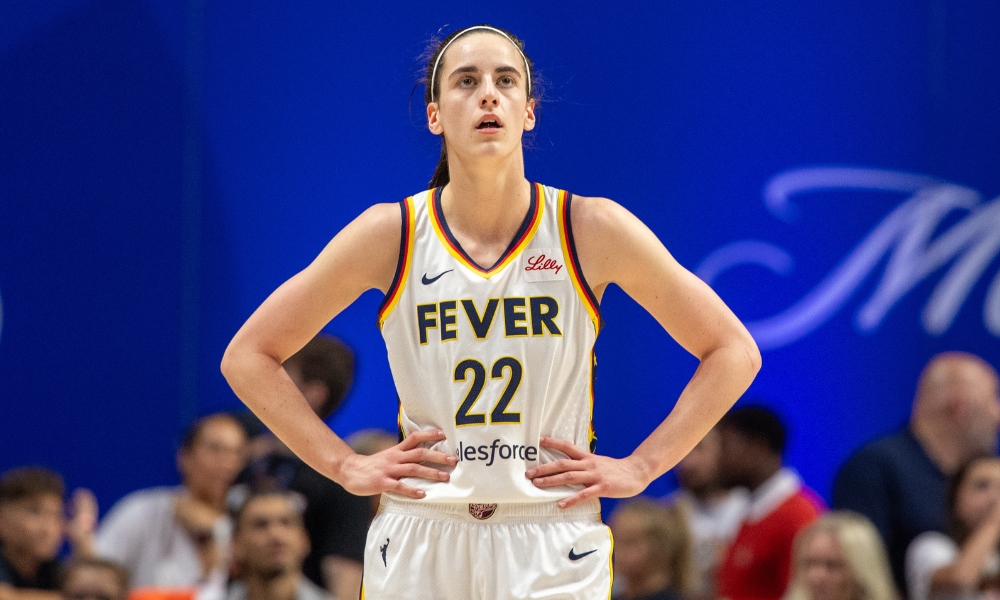
The influx of college stars such as Caitlin Clark and Angel Reese has helped fuel fresh interest in the WNBA. Notably, Clark’s regular season debut for the Indiana Fever averaged 2.12 million viewers on ESPN2, making it the most-watched WNBA game in 23 years.
The Fever have already surpassed their total home attendance for the entire 2023 season after just five games thanks to the arrival of Clark, who is arguably the most talked-about athlete in the US.
The WNBA will welcome Toronto as its 14th franchise – and first outside of the US – in 2026 and league commissioner Cathy Engelbert said last month that she was “pretty confident” of expanding to 16 teams by 2028. The ownership group of the Golden State Valkyries, who begin play in 2025, will reportedly pay a record US$50 million expansion fee.
Engelbert has therefore been bullish about the WNBA’s next domestic broadcast rights deal from 2025 and said she hopes to “at least double” the value of the league’s current contracts with ESPN, Ion and Amazon, which are reportedly worth up to US$60 million a season.
The NBA, which owns roughly 60 per cent of its female counterpart and has pumped hundreds of millions of dollars into the league, remains in negotiations for rights deals for both competitions which reports say are set to be deliver more than US$7 billion in total per year. That would represent a significant uplift on the annual US$2.7 billion that the NBA gets under its current arrangement.
According to The Washington Post, the WNBA could be in line to triple its annual rights revenue to between US$180 million and US$200 million in the next cycle.
It was reported in March that the WNBA could seek to unbundle some of its media rights from the NBA to try and maximise those revenues. The NBA, though, is not separating the rights of both leagues in the ongoing negotiations and Silver has said that the WNBA should continue to do integrated media rights deals with its male counterpart.
Engelbert, though, remains supportive of the league going to market with the NBA, describing the proposition as a “huge advantage” which appeals to streaming services who rely on a 12-month subscription model and want to fill their sports content slate year-round.