
Plenty of AI innovations have become ubiquitous in our lives this year, whether we wanted them or not.
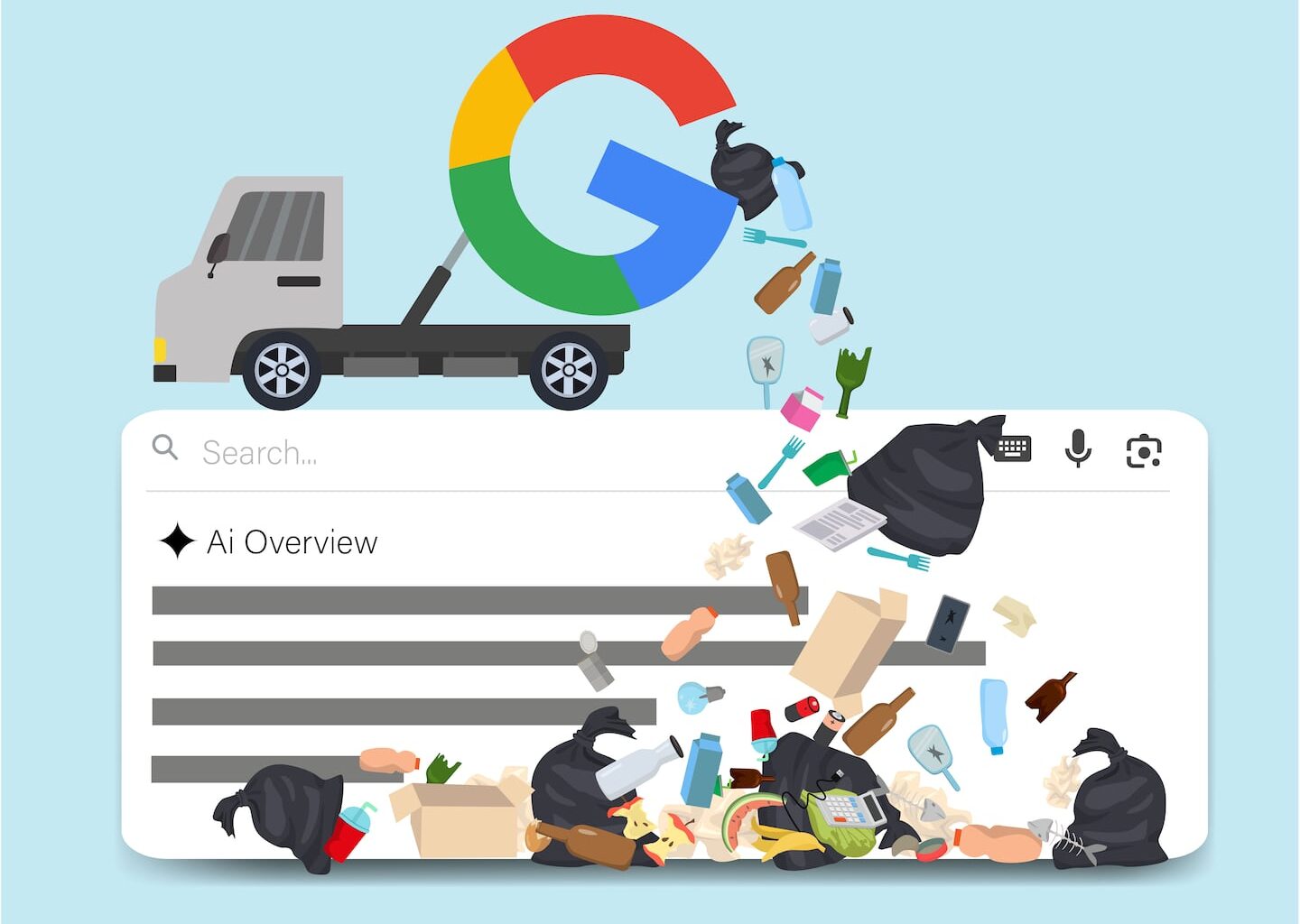
One of the most visible changes was the AI summary that now appears above Google search results. Despite its alarmingly poor quality, the AI feature has steadily expanded to take over the entire search engine.
For example, search for “biggest US national park,” and an AI embed may inform you that Wrangell-St. Elias National Park and Preserve in Alaska is 13.2 million acres. But other times it will tell you it’s smaller than that. Since it can’t tell the difference between just the park and the entire preserve in its data scraping, the AI swings wildly in its size estimates from one search to the next.
Another unannounced update was a real doozy, adding embedded advertisements within the automatic AI summaries. The feature rolled out to US mobile users in October 2024 and expanded to desktops in May 2025.
Get The Gavel
A weekly SCOTUS explainer newsletter by columnist Kimberly Atkins Stohr.
The same search about the largest national park could now include AI ads for camping gear, a coffee-table book about US national parks, or a cruise to Alaska.
But don’t worry, “these ads are contextually relevant to the summary content and the user’s query, effectively shortening the path from discovery to decision.” That’s according to a creepily cheery Google AI summary of the initiative. It’s simply trying to help!
By far, the most frustrating part of the AI summary is that there’s no way to turn it off in settings. We are all just expected to accept it, and those who don’t are relegated to clumsy workarounds. (The most successful method also happens to be the funniest: If you type “-AI” at the end of your search, the pesky overlay will disappear. Turns out it’s not that smart after all!)
And AI-infested search results are not just an unwelcome encroachment on web surfers. Anybody who makes online content, from YouTube personalities to journalists, is subject to AI slurping up their work, regurgitating it, and then hoarding would-be clicks for itself.
With ads now also embedded, Google isn’t stealing just eyeballs but entire customers. As the Ads Help Center notes, the ads feed on the “untapped intent” of users by guessing their “emerging questions.” It can keep them within its universe from initial search all the way to purchase.
Anyone creating content on the internet is now getting squeezed. A recent Futurism article called it “an extinction event” for “websites that depend on the advertising model.”
And it’s not because AI is doing it better. In fact, AI recipes often miss basic building blocks, give bad directions, or, worst of all, prompt people to make dangerously undercooked dishes. It turns out that compiling an average cooking temperature from 8,000 recipes doesn’t adequately address the salmonella living in your chicken breast.
The same critiques go for AI’s half-baked travel itineraries, sycophantic self-help services, and ability to lie to your face without flinching.
For the most part, users have accepted this encroachment with a shrug. How long until we demand a real opt-out?
Rebecca Spiess can be reached at rebecca.spiess@globe.com. Follow her @rebeccaspiessl.