
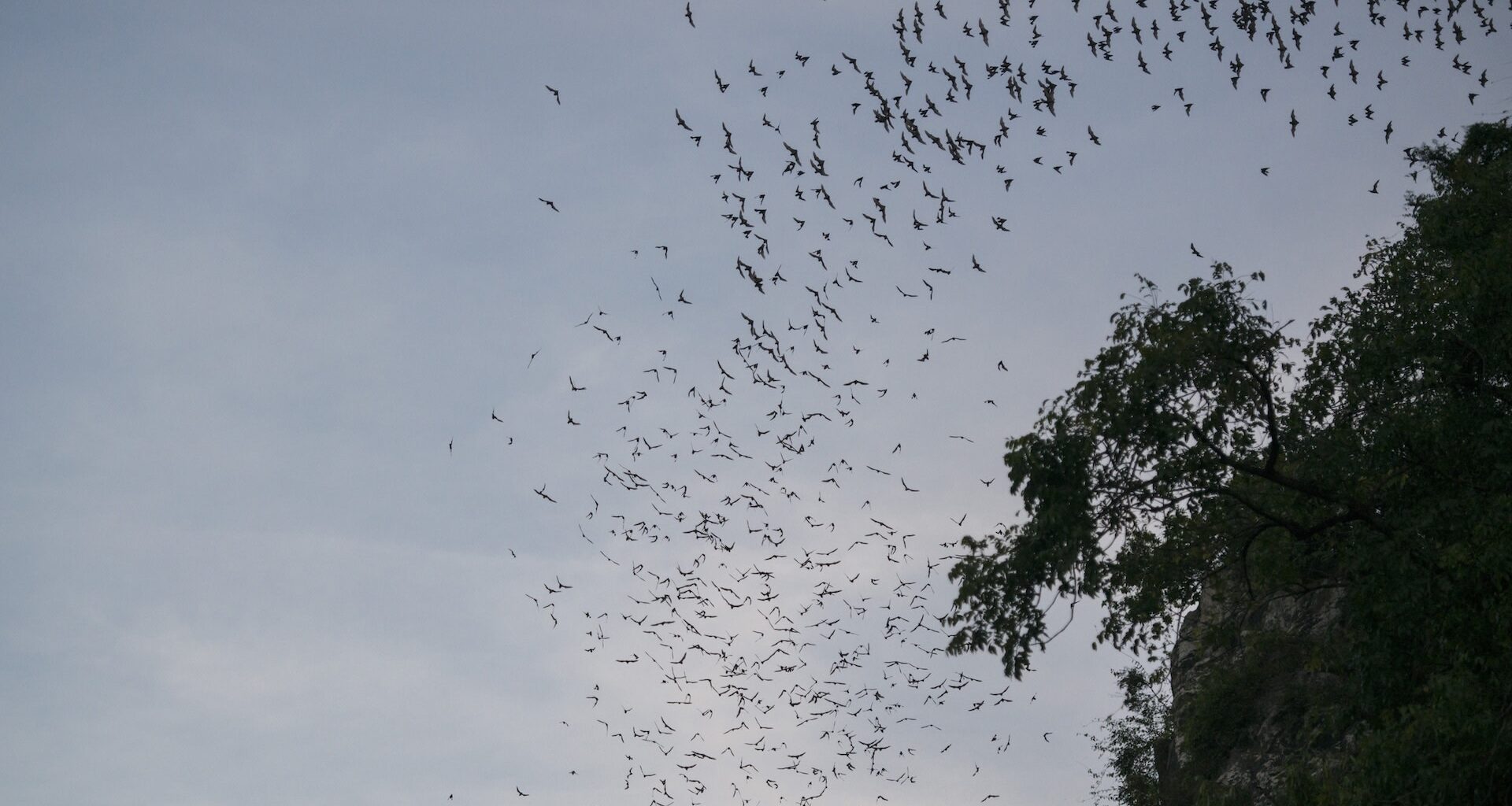
One wildlife rehabilitator is helping safeguard bat species through rehabilitation and conservation initiatives, WHYY reported.
Stephanie Stronsick, president and founder of the Pennsylvania Bat Conservation and Rehabilitation Center, has been rehabilitating bats for nearly two decades.
“I spent a lot of time outside, so snakes, spiders, bats, nothing really scared me … It was fun and adventurous, and it kind of led into my life path,” she told the outlet.
According to the center’s page, she got her start in wildlife conservation at Project Wildlife in San Diego, where she initiated bat rescue efforts as part of the rehabilitation program’s protocol.
“I was like, ‘Why not bats?’ And come to find out, they’re very challenging. They’re not like any other animal to rehabilitate,” Stronsick shared.
Bats, affectionately dubbed as “sky puppies,” are keystone species that help keep ecosystems healthy by controlling pests, dispersing seeds, and helping pollinate plants.
They also deliver economic benefits, helping U.S. agriculture industries save over $3 billion annually as natural pest control and pollinators, the U.S. Fish and Wildlife Service reported.
The consequences of bat declines ripple far beyond the environment.
A study published in Science found a link between collapsing bat populations and infant mortality rates. According to the study, farmers rely on bats, which are “natural pesticides.” However, as their populations continue to decline across North America, farmers resorted to using chemical pesticides, the increased use of which has led to over 1,000 infant deaths.
Conservation efforts like those of the center help save bats, which are misunderstood creatures facing a number of threats, from habitat loss to diseases like the white-nose syndrome, which affects hibernating bats. This fungal disease attacks vulnerable bat species, resulting in a steep decline in their population, the National Park Service reported.
TCD Picks » Upway Spotlight
💡Upway makes it easy to find discounts of up to 60% on premium e-bike brands
According to WHYY, PBCR is the biggest center of its kind in the Northeast, taking in more than 300 bats each year and serving 29 counties.
With the help of volunteers, the center responds to calls about grounded bats and transports them for rehabilitation. In the last year, the center has released more than 200 bats back into the wild.
Individuals can support rescue efforts, too. If you find a grounded bat, Stronsick says it needs help.
When you see a grounded bat, the Pennsylvania Bat Conservation and Rehabilitation Center recommends waiting until the bat is motionless before containing it. Wear garden gloves or use a thick towel when handling the bat to avoid injuries to both you and the bat. Place it in a container with a secure lid and call a local rescuer or wildlife rehabilitator.
People can also support the effort by donating to the organization or other similar causes.
“Every individual does matter, and that’s what gives me hope. People do care, and hopefully more people will continue to care, and we will start protecting their environment and protecting all landscapes that are required for these animals to thrive in,” said Stronsick.
Get TCD’s free newsletters for easy tips to save more, waste less, and make smarter choices — and earn up to $5,000 toward clean upgrades in TCD’s exclusive Rewards Club.
