
Three new health care laws will take effect in New York on Jan. 1, aimed at reducing financial barriers to life-saving treatments and preventive care.
Gov. Kathy Hochul announced the laws will require health insurers to cover medically necessary EpiPens with a $100 annual cap on out-of-pocket costs, expand coverage for breast cancer screening and diagnostic imaging, and provide coverage for scalp cooling systems that reduce hair loss during chemotherapy.
“New Yorkers shouldn’t have to choose between putting food on the table or being able to afford life-saving medical devices and procedures,” Hochul said.
“With these new laws going into effect, individuals will be able to focus on their health and wellbeing without having to worry about the financial burdens tied to treatments.”
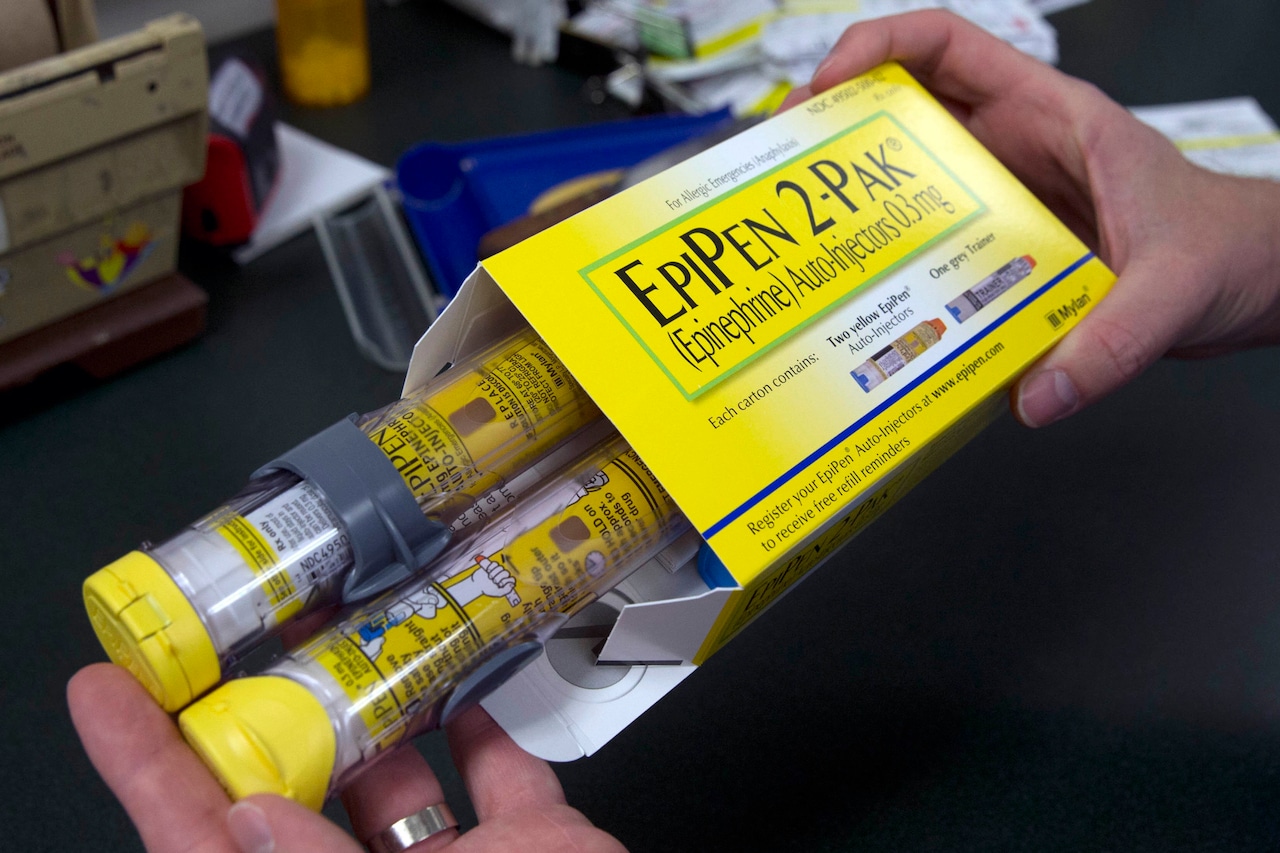
The EpiPen law addresses dramatic price increases for the devices used to treat life-threatening allergic reactions. EpiPens once cost $60 per device but now sell for roughly $600 for a pack of two pens.
The devices expire after 12 months on average, and users are advised to carry two at all times. Health insurers in the individual and group markets, including nonprofit insurers and HMOs, will now be required to cover medically necessary EpiPens and cap out-of-pocket costs at $100 per year.
The breast cancer screening law expands coverage for diagnostic imaging when recommended by a doctor based on nationally recognized clinical guidelines.
Coverage will include diagnostic mammograms, breast ultrasounds and MRIs — the imaging tools doctors use to detect breast cancer when screenings find potential concerns.
Each year in New York, at least 17,000 females are diagnosed with breast cancer and nearly 2,400 die from the disease.
One in eight females will develop breast cancer during their life, and it is the second leading cause of cancer-related deaths among females in the state.
Patients won’t have to pay out-of-pocket costs for these imaging tests, with one exception: when doing so would make them ineligible for certain tax-advantaged health savings accounts under federal rules.
The scalp cooling law requires health insurers in the large group market to cover systems used during chemotherapy treatment. Patients wear a cooling cap before, during and after each chemotherapy session to reduce the amount of chemotherapy drugs that reach hair follicles.
Without insurance coverage, patients pay $1,500 to $3,000 out of pocket per round of chemotherapy. Three cooling systems have already been approved by the U.S. Food and Drug Administration, and scalp cooling is covered by Medicaid and Medicare.
Assemblymember Pamela J. Hunter said the laws remove financial barriers from the health care system.
“These reforms will save lives, reduce stress for families and ensure that medically necessary care is accessible to everyone, not just those who can afford it.”