
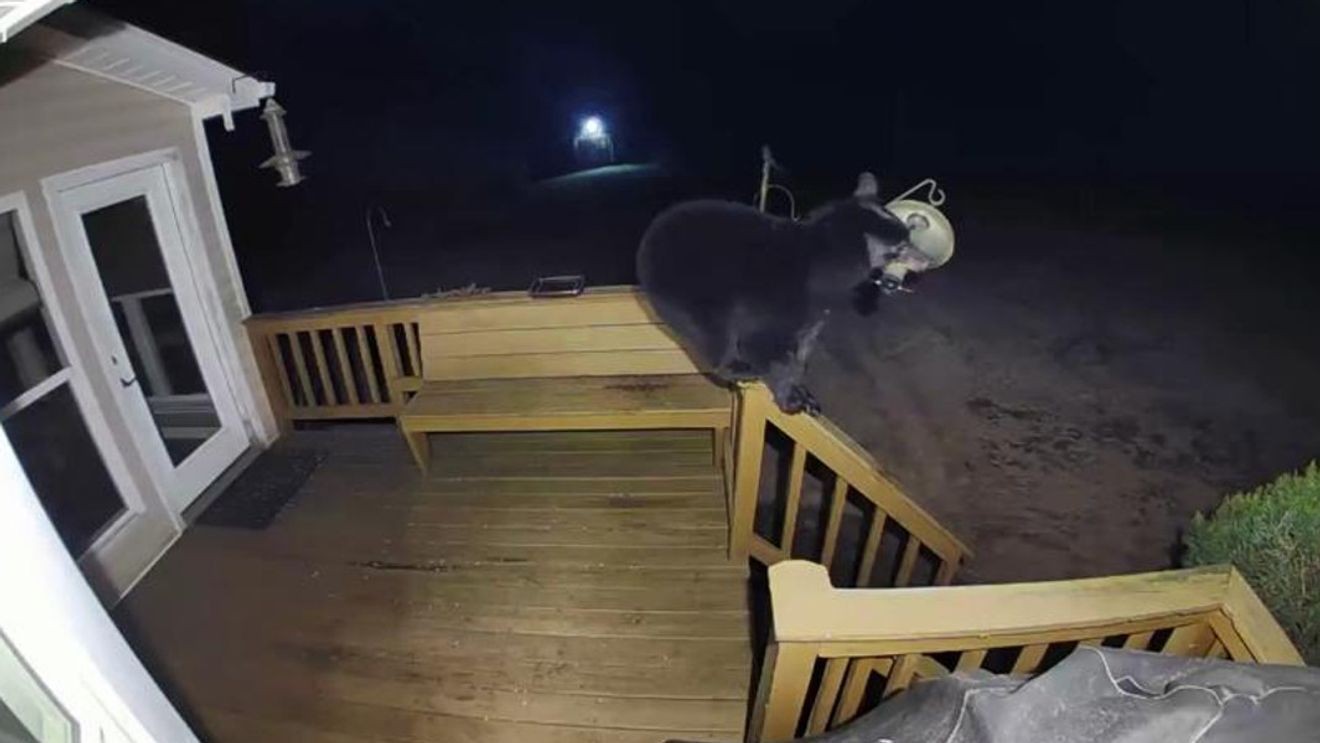
HAMILTON COUNTY, Tenn. — Bear sightings have become more common, with several in Hamilton County over the last few years.
Now, the Tennessee Wildlife Resource Agency (TWRA) is warning residents about increased interactions with black bears as the state’s population continues to grow.
News Channel 9’s Outdoor Contributor Richard Simms says the reason for the increase is simple.
“There’s just getting to be lots more bears than there used to be, you know, there’s been intensive management practices to, you know, try to benefit the bears, and it’s been extremely successful.”
The TWRA reports there are nearly 6,000 black bears across Tennessee.
“Bears are recolonizing their historical range not just from East Tennessee, but from Kentucky and Arkansas and Mississippi’s populations. And like I mentioned with technology they’re more visible than ever. Said Jenelle Musser, a Black Bear Support Biologist with the TWRA . “And as that population grows, encounters with people are rising with it.”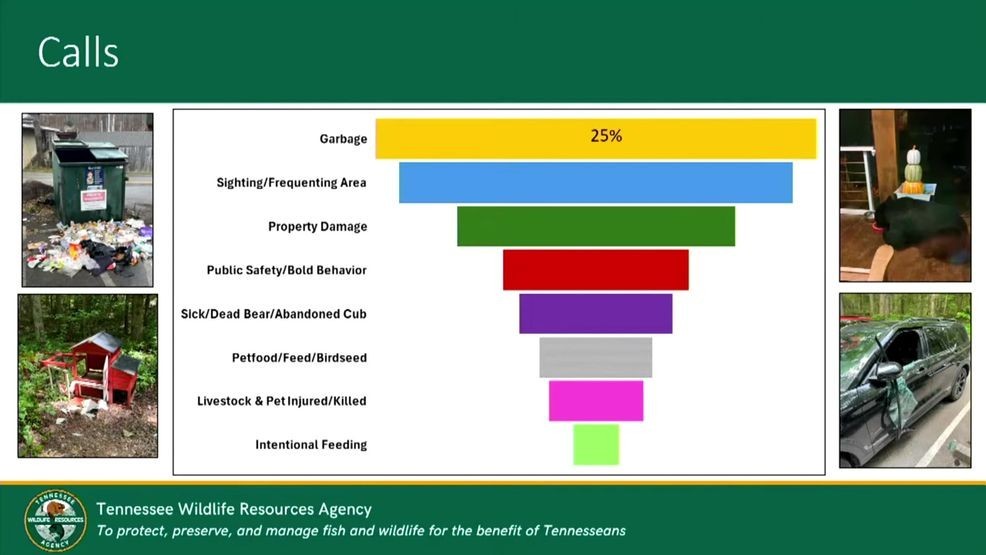
State data shows bears are now spreading far beyond Great Smoky Mountains National Park.
Simms says there’s often one reason bears move closer to people.
“Keeping garbage where bears can’t get to it. I mean, it’s just, you know, it’s like bait, you know, it’s like free food for them.”
In 2024, TWRA received 1,700 emergency calls related to black bears, with 25% of those calls being garbage-related.
“A lot of those other things happening because of garbage. That’s kind of where it starts. Said Musser. “That’s where the bear gets comfortable. That’s where the bear starts to feel good around people. And then these other things start to happen.”
Here’s a list of sightings in recent years in our viewing area:
The TWRA advises residents to lock food in cars and use bear-resistant containers for garbage storage.
TWRA Vice Chairman Greg Davenport emphasized the future need for more resources to handle the increasing number of bear-related calls.
“Now we’ve got a pro-grow state which is wonderful, but our human-bear contact comes at a cost,” Davenport says. “And you’ve got to ask, ‘Does the agency have the capacity? Capacity means more funding.”
The agency’s black bear program says they have to find new solutions to this increase in interactions.
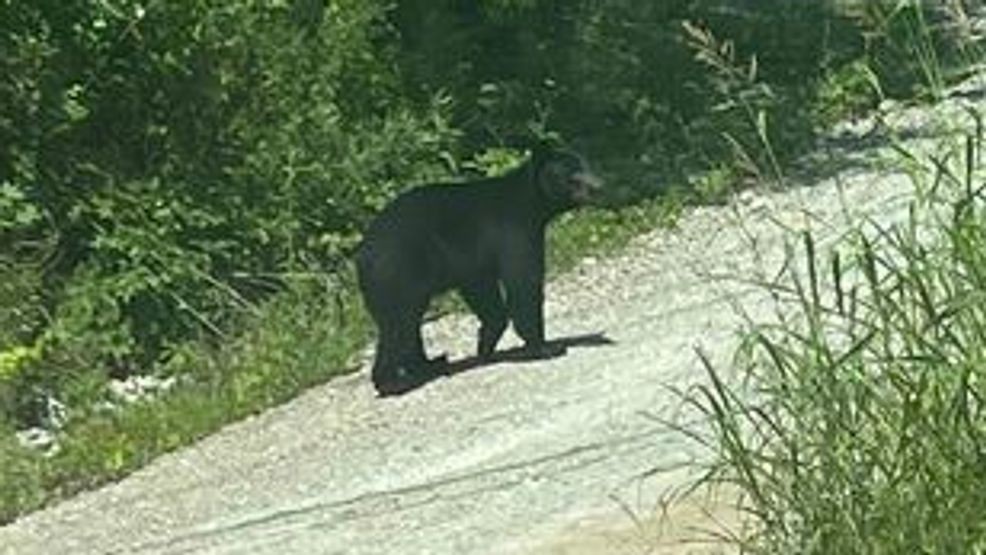
FILE:{ }Viewer Addam Prewitt sent us this photo of a bear spotted in Apison in the Parker’s Gap area in 2024.
“It’s okay for populations to be stable as well. I mean, that’s not a problem. The reason I show you this chart is just to make the point that we have a lot of hunting pressure on our bears. In Tennessee, we kill a lot of bears, and we hunt a lot of days, and it works very well, yet we still have a lot of conflicts. Our conflict calls continue to Rise,” says Dan Gibbs, TWRA Black Bear Program Coordinator.
They say relocating the bears has a very low success rate.
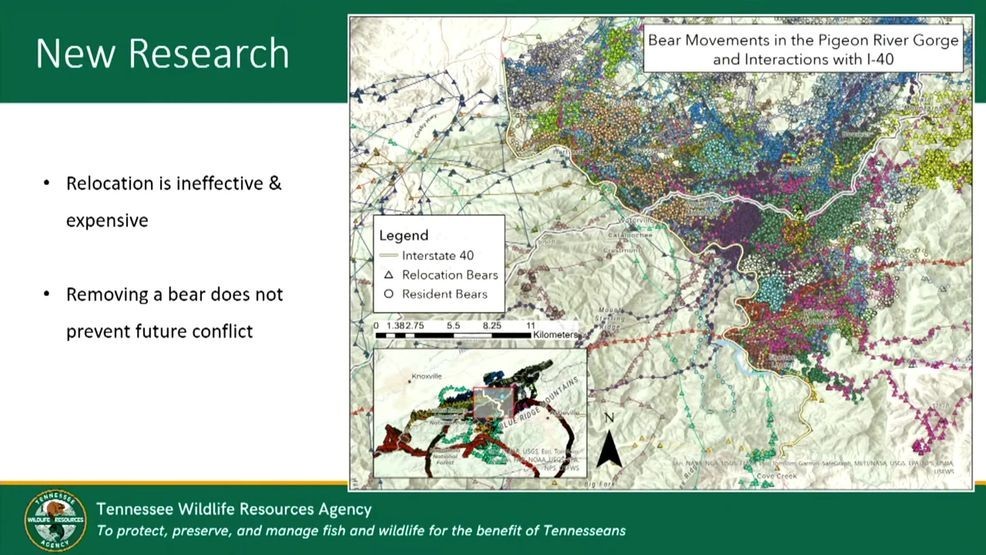 “So this map is a 19 square mile area from a research project, and each one of those colors is a different bear, so that’s 37 bears, and that’s just what she managed to capture. So removing the bear really doesn’t prevent future conflict, and it doesn’t help the person experiencing conflict.” says Jenelle Musser, TWRA Black Bear Program Assistant Program Coordinator.Comment with Bubbles
JOIN THE CONVERSATION (3)
The TWRA also cautions against feeding bears, as it encourages them to return for more food.