
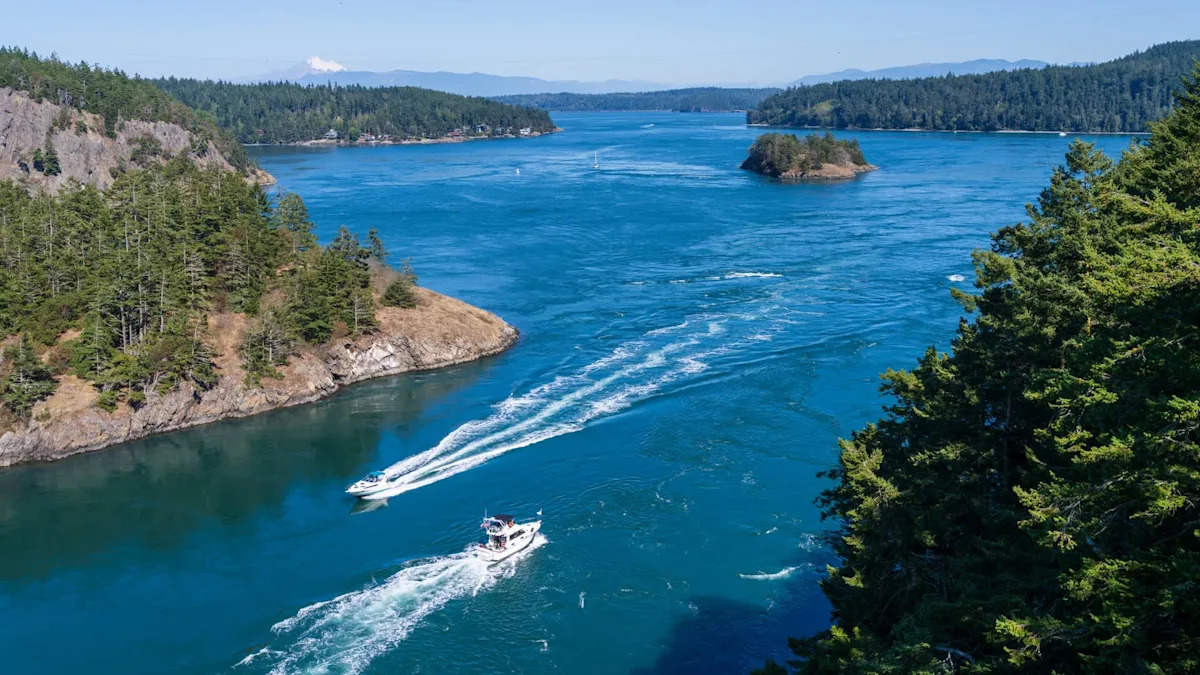
A discovery in Washington’s Skagit Bay has scientists warning that one of the world’s most destructive invasive species has shown up in yet another sensitive coastal ecosystem.
What happened?
The arrival of European green crabs — an aggressive predator that can wreak havoc on native habitats and local fisheries — has raised concerns for nearby communities.
Researchers with Washington Sea Grant confirmed the first-ever detection of European green crabs in the northern Whidbey Basin after a volunteer spotted a crab molt at Similk Beach. That finding triggered an urgent trapping operation, and the results were alarming.
“We found a concerning number of European green crabs,” said Emily Grason, program lead for the WSG Crab Team, per My Northwest.
Teams captured 12 crabs across three sites, and their size suggests they’ve been in the area for at least two years.
This discovery follows another detection by the Tulalip Tribes at a nearby area, Mission Beach in Possession Sound, indicating the invasive species may be spreading rapidly through Washington’s inland waters.
Officials say El Niño conditions may have strengthened this season’s surge.
Why is this green crab discovery concerning?
European green crabs may be small, but their impact is enormous. They shred native eelgrass beds, which protect coastlines and support marine life.
The green crabs also outcompete native crab species for food and habitat. They’ve even been found to eat young king crab and salmon.
For coastal communities, that means potentially serious losses to the fishing industry. It also upends local ecosystems, causing havoc in water sources and harming biodiversity.
When invasive species take hold, wildlife, food systems, fisheries, and shoreline stability all suffer. We’ve seen the damage it can cause, from destructive invasive blue crabs harming local seafood industries to rampant spotted lanternflies threatening crops and forests.
Unchecked invasions ultimately delay progress toward a cleaner, safer future for us all. Once an aggressive species establishes itself, restoring balance to the habitat becomes harder, more expensive, and less certain.
What can be done about the spread of European green crabs?
State agencies, Tribal nations, researchers, and volunteers are mobilizing to stop the crabs before they gain a foothold (or clawhold).
This invasion was initially found through WSG’s Molt Search program, which engages the public to help detect the invaders early on.
Washington’s trapping and monitoring program is on top of the issue, with emphasis on early detection.
As researchers monitor Skagit Bay, the hope is that swift action and community involvement can prevent a small cluster of crabs from becoming a long-term, region-wide crisis.
Get TCD’s free newsletters for easy tips to save more, waste less, and make smarter choices — and earn up to $5,000 toward clean upgrades in TCD’s exclusive Rewards Club.