
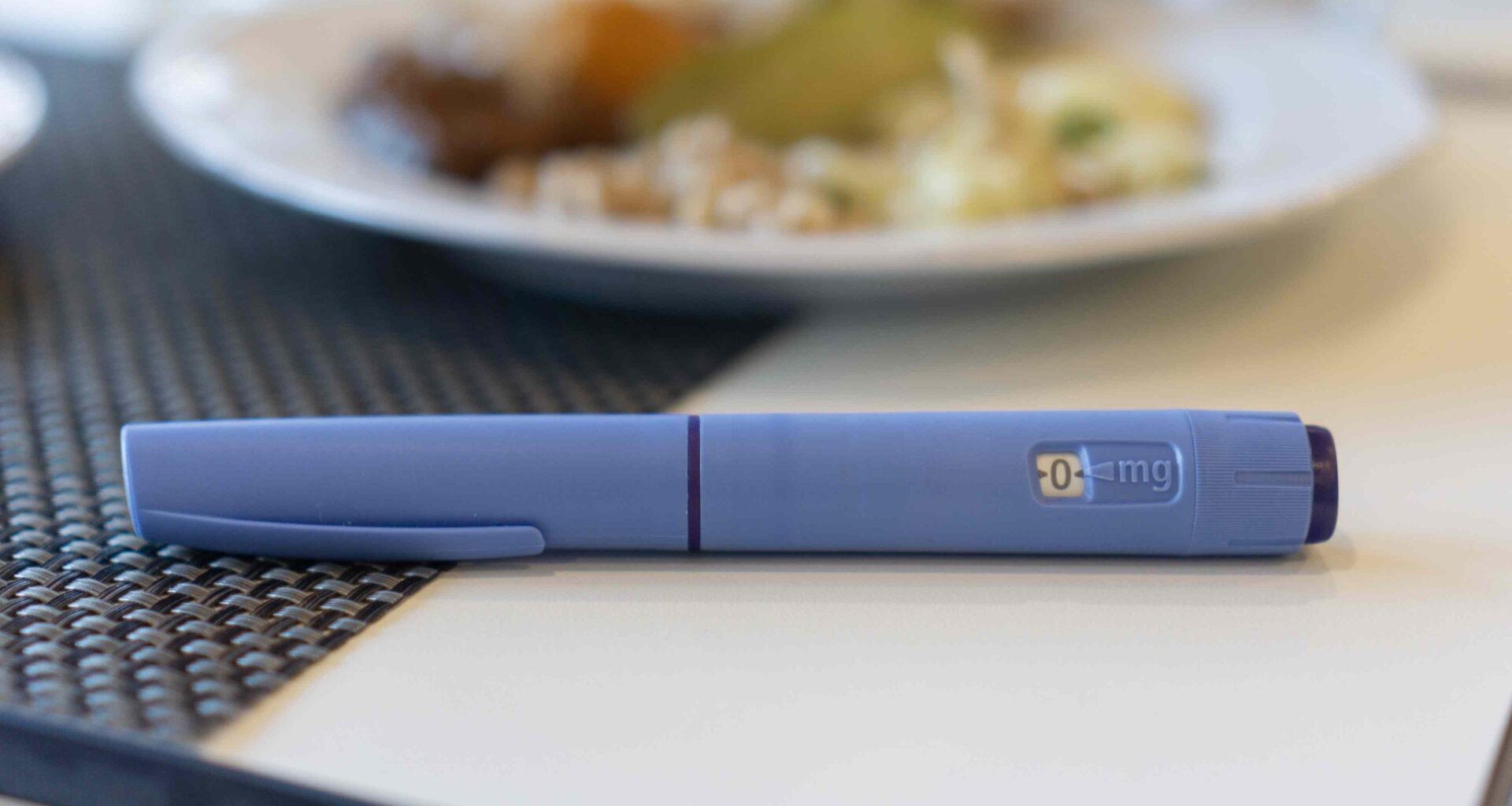
Semaglutide, better known as brand names Ozempic and Wegovy, commonly causes gastrointestinal (GI) side effects like upset stomach, heartburn, nausea, and vomiting. Eating certain foods can exacerbate these symptoms.
a_namenko / Getty Image
In general, high-fat, greasy foods slow down the rate at which your stomach digests (or breaks down) food. This can cause bloating, heartburn, nausea, and constipation.
Ozempic works by slowing down digestion, which makes you feel fuller for longer. However, this can also lead to gastrointestinal side effects, such as nausea, bloating, and vomiting.
Eating high-fat, greasy foods while also taking Ozempic can slow digestion more than usual. This means food stays in your stomach longer, and you are at a higher risk for GI side effects.
To lower your risk for side effects, limit the amount of high-fat, greasy foods you eat. Examples of high-fat, greasy foods include:
Fried foods, like fried chicken and French friesGreasy foods, like pizza, burgers, and donutsHigh-fat dairy products, like cheese, ice cream, and butter
Jena Ardell / Getty Images
Eating sugary foods while taking Ozempic may affect how well the medication works while worsening side effects.
Sugary foods cause a quick increase (spike) in your blood sugar levels. If you have diabetes and are using Ozempic, this may affect how well the medication controls your blood sugar levels. If you are using the medication for weight loss, consuming sugary foods can hinder your weight loss goals.
Since Ozempic slows digestion, sugary foods will stay in your stomach for a longer period. This can increase your risk of GI side effects, such as nausea and upset stomach.
Examples of sugary foods include:
Baked goods and pastries, like cookies, cake, and cupcakesCandySugary drinks, like juice, energy drinks, and sodaSweetened cereals
Monica Bertolazzi / Getty Images
Carbohydrates that are ultra-processed or refined have been processed to remove their fiber, vitamins, and nutrients.
A diet high in refined carbohydrates raises your risk for heart disease and obesity. They can also raise your blood sugar, making it harder to see any results from Ozempic. These foods can also make side effects like nausea, constipation, and vomiting worse.
Examples of refined carbohydrates include crackers, certain types of pasta, white bread, white flour, and white rice.
Nungning20 / Getty Images
Spicy or acidic foods should also be limited if you are taking Ozempic. These foods can irritate the stomach lining and increase stomach acidity, leading to issues such as heartburn and diarrhea. Eating these foods with Ozempic will raise your risk of uncomfortable side effects.
Examples of spicy foods include salsa, hot sauce, and hot peppers. Examples of acidic foods include citrus fruits and juices, vinegar, and tomato-based products.
Daniel Lozano Gonzalez / Getty Images
Highly processed or packaged foods are commonly consumed foods in our society. The products contain additives to enhance the appearance and taste of food while also extending its shelf life.
However, they have also been shown to raise inflammation and affect how well you digest food. They can also increase your blood sugar, which may be problematic if you are taking Ozempic for diabetes. Therefore, it is advisable to limit highly processed or packaged foods in your diet.
Examples of highly processed or packaged foods include chips, pastries, packaged snack foods, and processed meats.
Penpak Ngamsathain / Getty Images
Drinking carbonated beverages while taking Ozempic may worsen GI side effects like nausea, bloating, gas, and heartburn. Because Ozempic slows digestion and stomach emptying, the “bubbles” of carbonated drinks stay in the stomach longer.
This means you may experience bloating, gas, and other side effects for longer than usual. Caffeinated drinks can also raise stomach acidity and cause heartburn. Many drinks also have sugar, which can increase your blood sugar level.
Carbonated drinks may include soda, sparkling water, carbonated juices, and energy drinks.
SimpleImages / Getty Images
Generally, consuming alcohol while using Ozempic is safe. However, the combination can cause uncomfortable and dangerous side effects. Alcohol irritates the lining of the stomach and slows how fast your stomach empties. If you’re also using Ozempic, you may experience more GI side effects than usual.
Alcohol also lowers your blood sugar because the liver needs to work to break it down. So, drinking alcohol while taking Ozempic can raise your risk for hypoglycemia (low blood sugar). This is especially dangerous if you have diabetes or are taking other medications that can lower your blood sugar.
Having one to two drinks while using Ozempic should not be an issue. If you drink more alcohol for an extended period, your risk of side effects is higher. This can have an impact depending on the potency, volume, and gender/size of the individual.
Certain foods are encouraged when taking Ozempic, like:
Hydrating foods: Consuming foods that contain water can help maintain overall hydration. This includes gelatin, soup, watermelon, and cucumber.
Water and clear beverages: Drinking water and clear beverages helps with hydration and GI side effects.
Fruits and vegetables: Fruits and vegetables provide nutrients, fiber, and vitamins useful in a balanced diet. Fruits are also less likely to raise your blood sugar level.
Whole grains: Consuming whole grains like oats, quinoa, and brown rice in moderation can help regulate appetite and stabilize blood sugar levels.
Lean protein: Lean proteins help you stay fuller for longer, typically do not cause GI side effects, and help your body burn fat instead of muscle for energy. Examples of lean protein include fish, chicken, and tofu.
Low-fat dairy products: Low-fat dairy products offer the nutrients of dairy while lowering the risk for GI side effects. Examples of low-fat dairy products include low-fat milk, cottage cheese, and Greek yogurt.
When taking Ozempic, there are certain ways to minimize side effects. This includes:
Eating slowly: Chewing your food thoroughly and eating at a leisurely pace gives your body more time to digest it properly. You may also feel fuller quicker, and stop before you begin overeating.
Not lying right after you eat: Lying down immediately after eating can increase your risk of GI side effects. Some recommend taking a walk immediately after eating.
Staying hydrated: Dehydration can cause nausea and worsen your overall condition.
Using OTC medications: If certain foods are known to cause issues, consider using over-the-counter (OTC) medicines before or after meals to help alleviate symptoms. Examples include Pepcid (famotidine), Gas-X (simethicone), and Tums (calcium carbonate).
Adding fiber to your diet: If you are constipated, gradually increasing your fiber intake can help. However, adding too much fiber can lead to gas or bloating